

After Airbus issue, DOT says airlines don’t have to cover passenger expenses amid aircraft recalls
Advertisement
Read this article for free:
or
Already have an account? Log in here »
To continue reading, please subscribe:
Monthly Digital Subscription
$1 per week for 24 weeks*
- Enjoy unlimited reading on winnipegfreepress.com
- Read the E-Edition, our digital replica newspaper
- Access News Break, our award-winning app
- Play interactive puzzles
*Billed as $4.00 plus GST every four weeks. After 24 weeks, price increases to the regular rate of $19.95 plus GST every four weeks. Offer available to new and qualified returning subscribers only. Cancel any time.
Monthly Digital Subscription
$4.99/week*
- Enjoy unlimited reading on winnipegfreepress.com
- Read the E-Edition, our digital replica newspaper
- Access News Break, our award-winning app
- Play interactive puzzles
*Billed as $19.95 plus GST every four weeks. Cancel any time.
To continue reading, please subscribe:
Add Free Press access to your Brandon Sun subscription for only an additional
$1 for the first 4 weeks*
*Your next subscription payment will increase by $1.00 and you will be charged $16.99 plus GST for four weeks. After four weeks, your payment will increase to $23.99 plus GST every four weeks.
Read unlimited articles for free today:
or
Already have an account? Log in here »
The U.S. Department of Transportation has issued new guidance telling airlines they do not have to cover passenger expenses, such as meals or hotel stays, when flight cancellations or long delays are caused by aircraft recalls.
The guidance, released on Wednesday, comes after widespread disruptions last month amid the busy Thanksgiving travel period in the U.S. stemming from inspections and software updates that carriers had to perform immediately for safety reasons on a widely used Airbus commercial aircraft. About 6,000 planes were impacted.
Airlines worldwide scrambled to fix a computer code issue that may have contributed to a sudden drop in altitude on a JetBlue plane in October, which injured at least 15 people. Airbus said an examination of the JetBlue ordeal found a software glitch that could have affected flight-control systems on its A320 family of aircraft, the primary competitor to Boeing’s 737 planes.
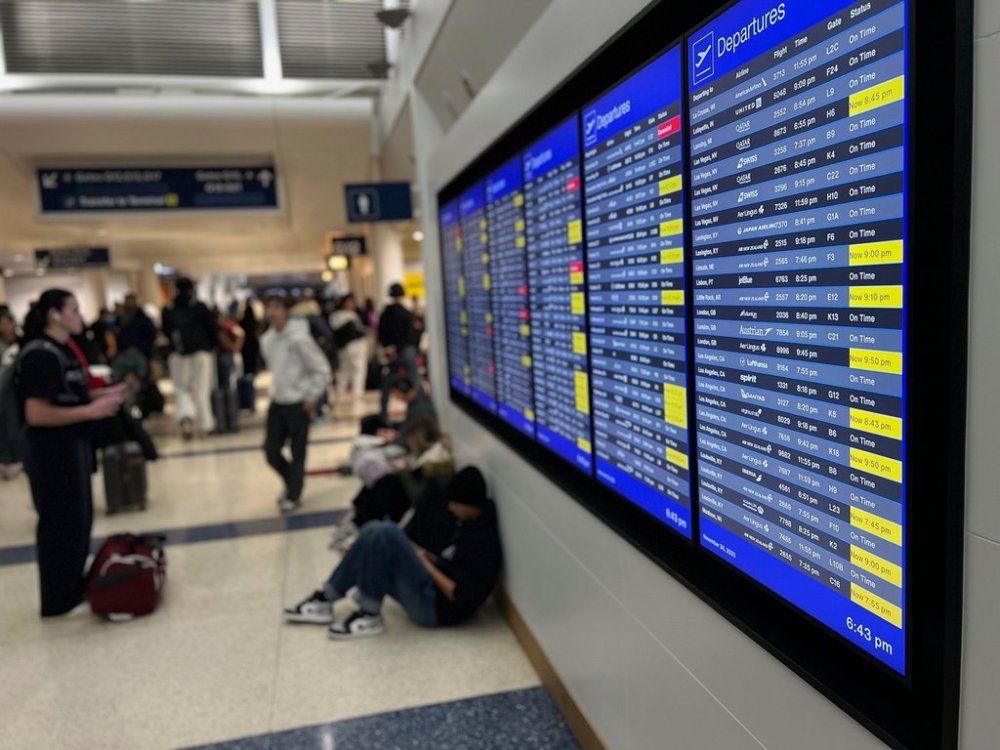
In the U.S., airlines must provide full refunds when they cancel a flight, regardless of the reason. But the Transportation Department does not require them to cover lodging or meals for stranded passengers — even when a disruption is the airline’s fault.
Instead, airlines voluntarily offer varying levels of compensation for disruptions caused by something considered within their control, such as crew scheduling issues or mechanical problems, and the department says carriers must adhere to their commitments.
Ten U.S. airlines, for example, offer meal vouchers when a passenger is left waiting three or more hours for a new flight after a “controllable” cancellation or a delay. They include legacy carriers Delta Air Lines, American Airlines and United Airlines, as well as low-cost carriers like Allegiant Air and Spirit Airlines. All but one of them — Frontier Airlines — promise to cover lodging for passengers if they cause an overnight cancellation or delay.
The new DOT guidance clarifies that disruptions caused by aircraft recalls are not categorized as “within an airline’s control,” meaning those voluntary customer service commitments do not apply, although carriers can still offer them if they choose to do so.
The department said the guidance will remain in place while it continues rule-making on how flight disruptions should be categorized.

In September, the Trump administration scrapped a Biden-era proposal to make it mandatory instead of voluntary to provide compensation to passengers for major disruptions caused by an airline, which would have brought U.S. policy closer in line with European airline consumer protections.
The Transportation Department said at the time that the move was “consistent with Department and administration priorities.” President Donald Trump has sought to significantly roll back or modify federal regulations that his administration deems are wasteful or burdensome.