

Average US long-term mortgage rate ticks up to 6.22%, but remains close to its low for the year
Advertisement
Read this article for free:
or
Already have an account? Log in here »
To continue reading, please subscribe:
Monthly Digital Subscription
$1 per week for 24 weeks*
- Enjoy unlimited reading on winnipegfreepress.com
- Read the E-Edition, our digital replica newspaper
- Access News Break, our award-winning app
- Play interactive puzzles
*Billed as $4.00 plus GST every four weeks. After 24 weeks, price increases to the regular rate of $19.95 plus GST every four weeks. Offer available to new and qualified returning subscribers only. Cancel any time.
Monthly Digital Subscription
$4.99/week*
- Enjoy unlimited reading on winnipegfreepress.com
- Read the E-Edition, our digital replica newspaper
- Access News Break, our award-winning app
- Play interactive puzzles
*Billed as $19.95 plus GST every four weeks. Cancel any time.
To continue reading, please subscribe:
Add Free Press access to your Brandon Sun subscription for only an additional
$1 for the first 4 weeks*
*Your next subscription payment will increase by $1.00 and you will be charged $16.99 plus GST for four weeks. After four weeks, your payment will increase to $23.99 plus GST every four weeks.
Read unlimited articles for free today:
or
Already have an account? Log in here »
The average rate on a 30-year U.S. mortgage edged higher this week, though it remains relatively near its low point so far this year.
The uptick brings the average long-term mortgage rate to 6.22% from 6.19% last week, mortgage buyer Freddie Mac said Thursday. A year ago, the rate averaged 6.6%.
Borrowing costs on 15-year fixed-rate mortgages, popular with homeowners refinancing their home loans, also rose this week. The rate averaged 5.54%, up from 5.44% last week. A year ago, it averaged 5.84%, Freddie Mac said.
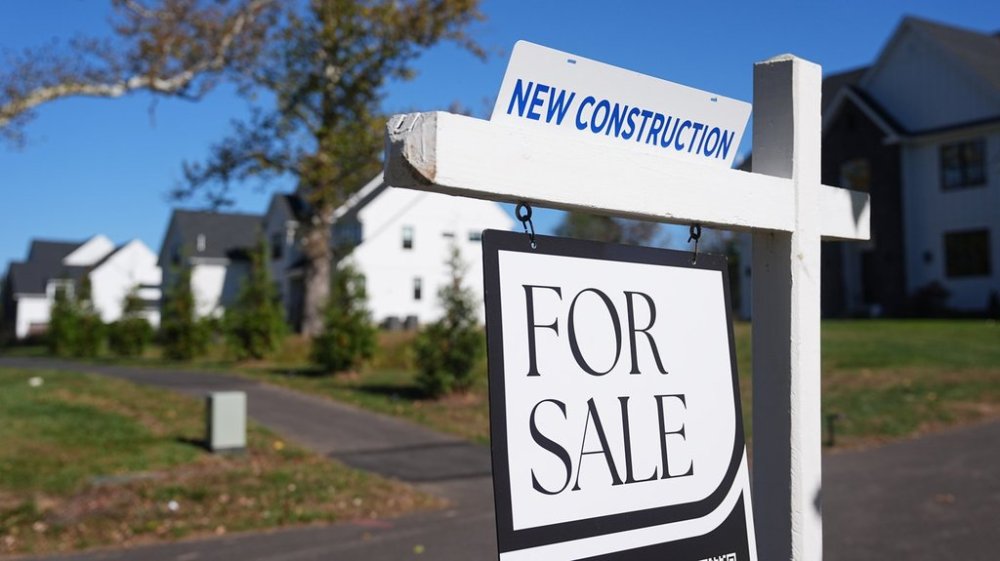
Mortgage rates are influenced by several factors, from the Federal Reserve’s interest rate policy decisions to bond market investors’ expectations for the economy and inflation. They generally follow the trajectory of the 10-year Treasury yield, which lenders use as a guide to pricing home loans.
The 10-year yield was at 4.12% at midday Thursday, slightly higher than it was a week ago.
The rise in mortgage rates comes a day after the Federal Reserve cut its main interest rate for the third time this year and indicated another cut may be ahead in 2026.
The Fed doesn’t set mortgage rates, so even when it cuts its short-term rates that doesn’t necessarily mean rates on home loans will necessarily decline.
That’s what happened last fall after the central bank cut its main rate for the first time in more than four years. Instead of falling, mortgage rates marched higher, eventually cresting above 7% in January this year. At that time, the 10-year Treasury yield was climbing toward 5%.
Mortgage rates began declining this summer ahead of the central bank’s September rate cut, its first in a year. The average rate on a 30-year mortgage got as low as 6.17%, the lowest level in more than a year, on Oct. 30.
That pullback in rates helped lift sales of previously occupied U.S. homes in October on an annual basis for the fourth straight month.

Still, affordability remains a challenge for many aspiring homeowners, especially first-time buyers who don’t have equity from an existing home to put toward a new home purchase. Uncertainty over the economy and job market are also keeping many would-be buyers on the sidelines.
The overall decline in mortgage rates this fall has been a boon for homeowners eager to refinance their home loan to a lower rate.
Applications for mortgage refinancing loans jumped 14% last week from the previous week, and accounted for about 58% of all home loan applications, according to the Mortgage Bankers Association. Applications for loans to buy a home climbed nearly 5%.
Economists generally forecast that the average rate on a 30-year mortgage will remain slightly above 6% next year.
“While this is unlikely to deliver the sharp relief some buyers are hoping for, rates are expected to be low enough to help counterbalance continued, but modest, home price growth,” said Anthony Smith, senior economist at Realtor.com.