

Ford promotes Toronto as Ottawa, B.C. and Montreal make pitches to host defence bank
Advertisement
Read this article for free:
or
Already have an account? Log in here »
To continue reading, please subscribe:
Digital Subscription
One year of digital access for only $1.44 a week*
- Enjoy unlimited reading on winnipegfreepress.com
- Read the E-Edition, our digital replica newspaper
- Access News Break, our award-winning app
- Play interactive puzzles
*Billed as $5.77 plus GST every four weeks. After 52 weeks, price increases to the regular rate of $19.95 plus GST every four weeks. Offer available to new and qualified returning subscribers only. Cancel any time.
To continue reading, please subscribe:
Add Free Press access to your Brandon Sun subscription for only an additional
$1 for the first 4 weeks*
- Enjoy unlimited reading on winnipegfreepress.com
- Read the E-Edition, our digital replica newspaper
- Access News Break, our award-winning app
- Play interactive puzzles
*Your next Brandon Sun subscription payment will increase by $1.00 and you will be charged $17.95 plus GST for four weeks. After four weeks, your payment will increase to $24.95 plus GST every four weeks.
Read unlimited articles for free today:
or
Already have an account? Log in here »
Hey there, time traveller!
This article was published 17/12/2025 (306 days ago), so information in it may no longer be current.
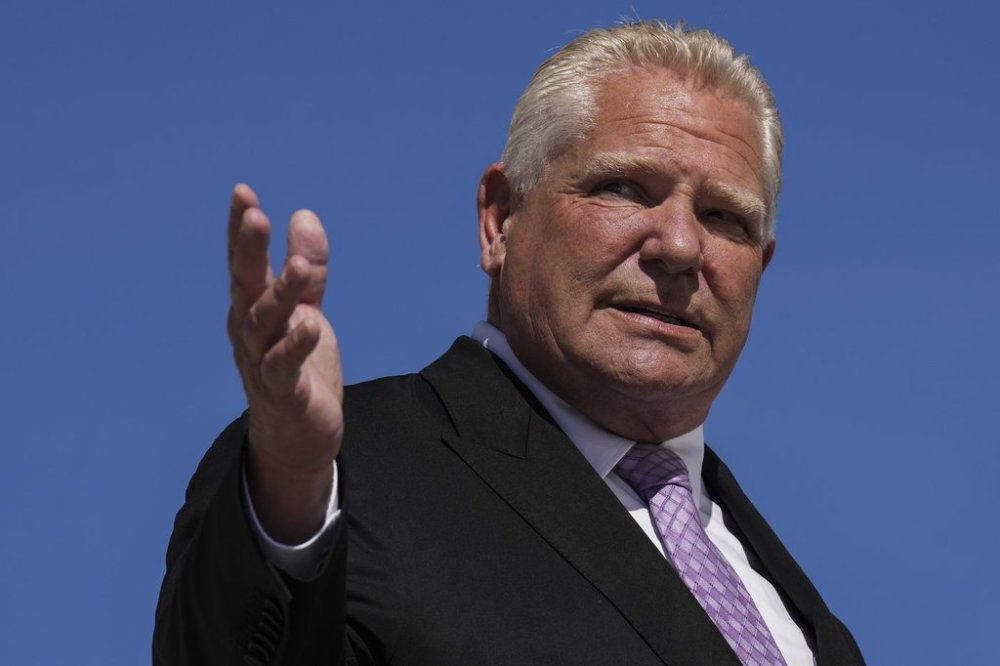
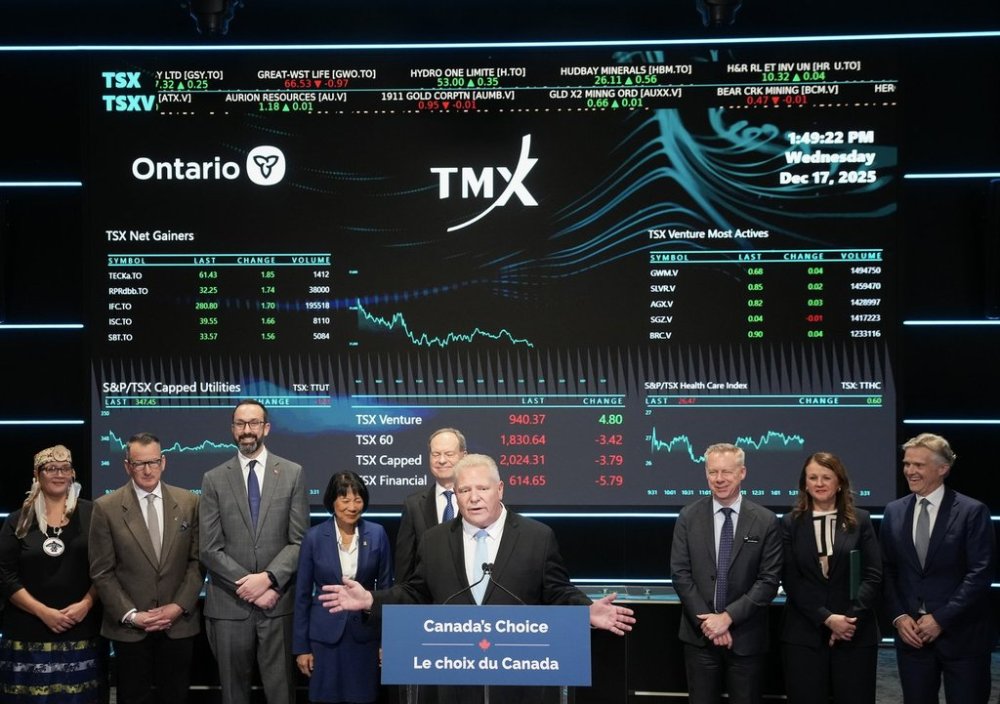
OTTAWA – Ontario Premier Doug Ford made a case Wednesday for Toronto as the headquarters for a new global bank for defence spending — but the city is facing competition from Ottawa, Montreal and British Columbia.
“We know there’s a fierce global competition to host the bank. If we want Canada to be selected as the host, we need to put forward the strongest possible candidate, and that candidate is Toronto,” Ford told a press conference Wednesday.
Ottawa Mayor Mark Sutcliffe said in an online post earlier in the day that Ottawa and Gatineau would be the “ideal host.” B.C. Premier David Eby used the same phrase when he told reporters Wednesday he had written to the federal government to make the case for his province.
Quebec Premier François Legault and Montreal Mayor Soraya Martinez Ferrada expressed their interest back in November.
The Defence, Security and Resilience Bank is a new multilateral initiative by democratic countries.
This fall, representatives from 37 countries, including G7 and NATO members, met in London to discuss the initiative, the development group behind the bank said in a press release.
It said in the Dec. 10 release a “number of countries have now indicated their intention to begin the formal steps required to bring the (bank) into existence.”
Ford said the bank would bring major benefits to the country chosen for its headquarters — including 3,500 direct jobs.
“The bank’s host city will immediately become the global capital of defence, innovation and finance,” he said.
Ford said Toronto has the largest banking and financial service sector in Canada, as well as the largest accounting, telecom and law sectors. He also cited the strength of the city’s tech sector and its universities and research institutions.
“We’re known across the globe as one of the most welcoming, diverse, politically stable places on the planet, with more than 110 nationalities and nearly 200 languages represented right here in the region,” he said.

In his online post, Ottawa’s mayor said Canada’s defence leadership is concentrated in the national capital area, citing the presence of the Department of National Defence, Canadian Armed Forces brass and intelligence agencies. Sutcliffe said the city also has “one of the deepest defence, aerospace, cyber, and dual-use innovation ecosystems in the country.”
In his comments to reporters at an unrelated news conference Wednesday, Eby said B.C.’s position on the Pacific coast and its financial sector make it an ideal location for the bank, “and we are advocating for that with the federal government.”
The work to set up the bank comes as NATO countries, including Canada, have pledged to spend five per cent of their national GDP on defence. Prime Minister Mark Carney said in June the government would meet the earlier two per cent target this year, then later the same month committed Canada to reaching five per cent by 2035.
This report by The Canadian Press was first published Dec. 17, 2025.
— With files from Ashley Joannou in Vancouver