

Judge blocks White House’s attempt to defund the CFPB, ensuring employees get paid
Advertisement
Read this article for free:
or
Already have an account? Log in here »
To continue reading, please subscribe:

Digital Subscription
One year of digital access for only $205*
- Enjoy unlimited reading on winnipegfreepress.com
- Read the E-Edition, our digital replica newspaper
- Access News Break, our award-winning app
- Play interactive puzzles
*First annual payment billed as $205.00 + GST for one year. This annual subscription will automatically renew at $233.00 + GST every 52 weeks (10% off the regular annual price of $259.35). Offer available to new and qualified returning subscribers only. Cancel any time.
To continue reading, please subscribe:
Add Free Press access to your Brandon Sun subscription for only an additional
$1 for the first 4 weeks*
- Enjoy unlimited reading on winnipegfreepress.com
- Read the E-Edition, our digital replica newspaper
- Access News Break, our award-winning app
- Play interactive puzzles
*Your next Brandon Sun subscription payment will increase by $1.00 and you will be charged $17.95 plus GST for four weeks. After four weeks, your payment will increase to $24.95 plus GST every four weeks.
Read unlimited articles for free today:
or
Already have an account? Log in here »
Hey there, time traveller!
This article was published 30/12/2025 (281 days ago), so information in it may no longer be current.
NEW YORK (AP) — The White House cannot lapse in its funding of the Consumer Financial Protection Bureau, a federal district court judge ruled on Tuesday, only days before funds at the bureau would have likely run out and the consumer finance agency would have no money to pay its employees.
Judge Amy Berman ruled that the CFPB should continue to get its funds from the Federal Reserve, despite the Fed operating at a loss, and that the White House’s new legal argument about how the CFPB gets its funds is not valid.
At the heart of this case is whether Russell Vought, President Donald Trump’s budget director and the acting director of the CFPB, can effectively shut down the agency and lay off all of the bureau’s employees. The CFPB has largely been inoperable since President Trump has sworn into office nearly a year ago. Its employees are mostly forbidden from doing any work, and most of the bureau’s operations this year has been to unwind the work it did under President Biden and even under Trump’s first term.
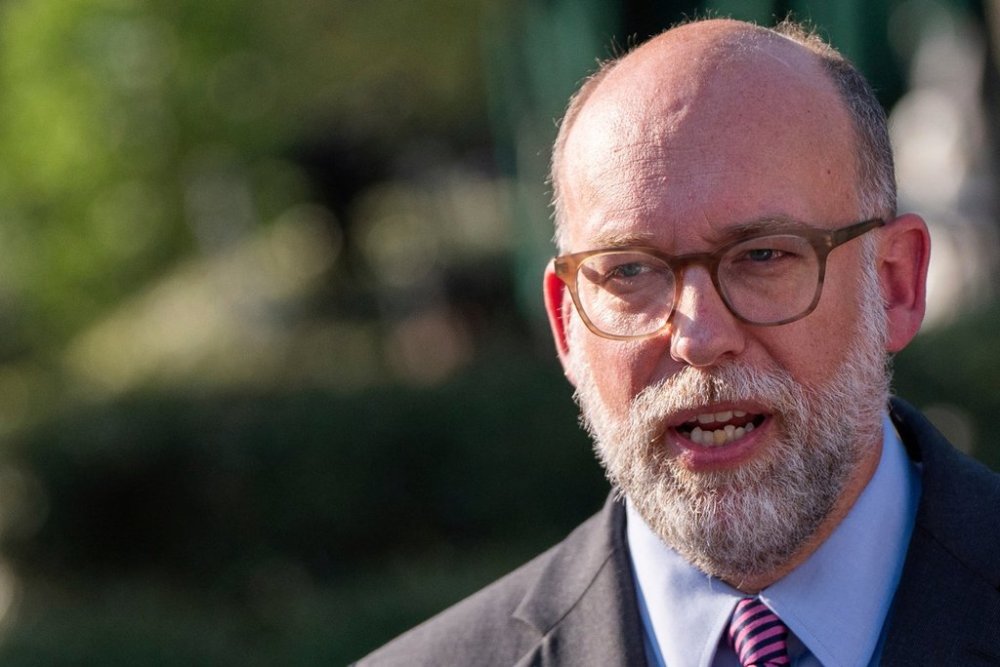
Vought himself has made comments where he has made it clear that his intention is to effectively shut down the CFPB. The White House earlier this year issued a “reduction in force” for the CFPB, which would have furloughed or laid off much of the bureau.
The National Treasury Employees Union, which represents the workers at the CFPB, has been mostly successful in court to stop the mass layoffs and furloughs. The union sued Vought earlier this year and won a preliminary injunction stopping the layoffs while the union’s case continues through the legal process.
In recent weeks, the White House has used a new line of argument to potentially get around the court’s injunction. The argument is that the Federal Reserve has no “combined earnings” at the moment to fund the CFPB’s operations. The CFPB gets its funding from the Fed through expected quarterly payments.
The Federal Reserve has been operating at a paper loss since 2022 as a result of the central bank trying to combat inflation, the first time in the Fed’s entire history its been operating at a loss. The Fed holds bonds on its balance sheet from a period of low interest rates during the COVID-19 pandemic, but currently has to pay out higher interest rates to banks who hold their deposits at the central bank. The Fed has been recording a “deferred asset” on its balance sheet which it expects will be paid down in the next few years as the low interest bonds mature off the Fed’s balance sheet.
Because of this loss on paper, the White House has argued there are no “combined earnings” for the CFPB to draw on. The CFPB has operated since 2011, including under President Trump’s first term, drawing on the Fed’s operating budget.
White House lawyers sent a notice to the court in early November, where they argued that the CFPB would run out of appropriations in early 2026, using the “combined earnings” argument, and does not expect to get any additional appropriations from Congress.

This combined earnings legal argument is not entirely new. It has floated in conservative legal circles going back to when the Federal Reserve started operating at a loss. The Office of Legal Counsel, which acts as the government’s legal advisors, adopted this legal theory in a memo on November 7. However, this idea has never been tested in court.
In her opinion, Berman said the OLC and Vought were using this legal theory to get around the court’s injunction instead of allowing the case to be decided on merits. A trial on whether the CFPB employees’ union can sue Vought over the layoffs is currently scheduled for February 2026.
“It appears that defendants’ new understanding of “combined earnings” is an unsupported and transparent attempt to starve the CPFB of funding and yet another attempt to achieve the very end the Court’s injunction was put in place to prevent,” Berman wrote in an opinion.
“We’re very pleased that the court made clear what should have been obvious: Vought can’t justify abandoning the agency’s obligations or violating a court order by manufacturing a lack of funding,” said Jennifer Bennett of Gupta Wessler LLP, who is representing the CFPB employees in the case.
A White House spokeswoman did not immediately respond to a request for comment on Berman’s opinion.