

Oysters, crab and $400,000 worth of lobster meat stolen in New England
Advertisement
Read this article for free:
or
Already have an account? Log in here »
To continue reading, please subscribe:
Monthly Digital Subscription
$1 per week for 24 weeks*
- Enjoy unlimited reading on winnipegfreepress.com
- Read the E-Edition, our digital replica newspaper
- Access News Break, our award-winning app
- Play interactive puzzles
*Billed as $4.00 plus GST every four weeks. After 24 weeks, price increases to the regular rate of $19.95 plus GST every four weeks. Offer available to new and qualified returning subscribers only. Cancel any time.
Monthly Digital Subscription
$4.99/week*
- Enjoy unlimited reading on winnipegfreepress.com
- Read the E-Edition, our digital replica newspaper
- Access News Break, our award-winning app
- Play interactive puzzles
*Billed as $19.95 plus GST every four weeks. Cancel any time.
To continue reading, please subscribe:
Add Free Press access to your Brandon Sun subscription for only an additional
$1 for the first 4 weeks*
*Your next subscription payment will increase by $1.00 and you will be charged $16.99 plus GST for four weeks. After four weeks, your payment will increase to $23.99 plus GST every four weeks.
Read unlimited articles for free today:
or
Already have an account? Log in here »
CONCORD, N.H. (AP) — Imagine the buffet.
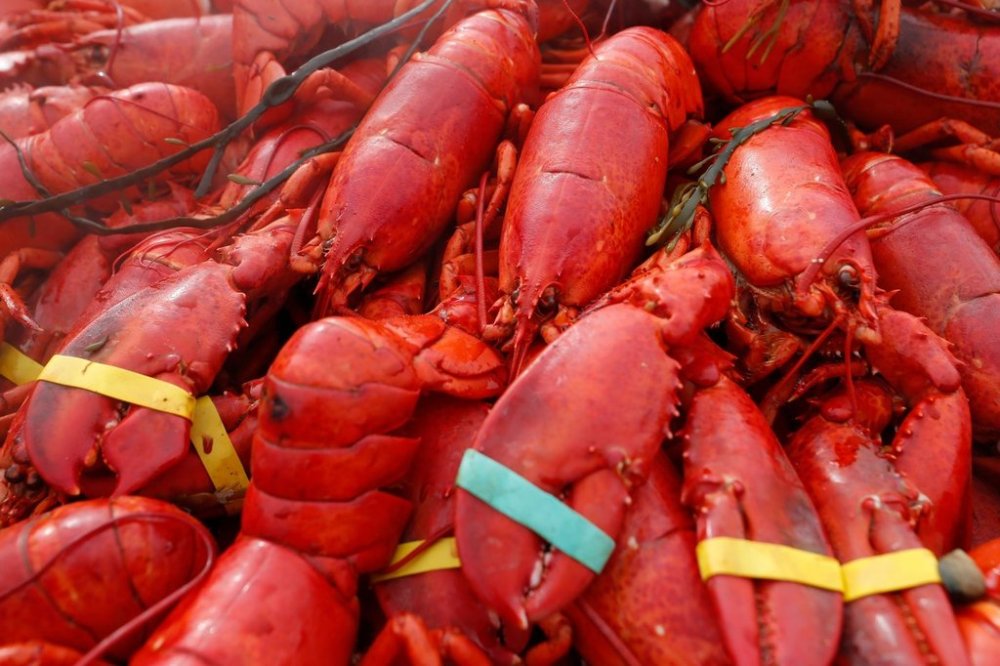
Forty-thousand oysters, lobster worth $400,000 and a cache of crabmeat all were stolen in separate incidents within weeks of each other in New England.
The first seafood vanished on Nov. 22 in Falmouth, Maine, where authorities suspect someone stole 14 cages full of oysters from an aquaculture site in Casco Bay. Many of the oysters were full-grown and ready for sale, and together with the cages were worth $20,000, according to the Maine Marine Patrol.
“This is a devastating situation for a small businessman,” said Marine Patrol Sgt. Matthew Sinclair.
The other two thefts happened in Taunton, Massachusetts, about 160 miles (255 kilometers) away. First, a load of crab disappeared after leaving the Lineage Logistics warehouse on Dec. 2. Then, on Dec. 12, lobster meat destined for Costco stores in Illinois and Minnesota was stolen by a fraudulent trucking company, according to the broker who arranged the pickup.
“The carrier we hired impersonated a real carrier,” Dylan Rexing, CEO of Rexing Companies, said Tuesday. “They had a spoofed email address. They changed the name on the side of the truck. The made a fake certified driver’s license. It’s a very sophisticated crime.”
Lineage Logistics, Costco and Taunton Police did not respond to requests for comment, but Rexing said police told him about the crab theft from the same warehouse.
That kind of cargo theft has been a problem for over a decade, he said, but has gotten worse in recent years.

“It happens every day, multiple times a day,” he said.
Freight theft generally falls into two categories, said Chris Burroughs, president and CEO of Transportation Intermediaries Association, a trade organization for the freight brokerage industry. The lobster heist fits in the first type, which involves someone impersonating a legitimate trucking company. The second type, known as strategic theft, often involves using phishing emails to gain access to computer systems and get paid without actually stealing the product.
“This is a massive growing problem that needs to get addressed,” he said.
Given its short shelf life, the stolen lobster likely ended up restaurants, both said. And while he’s seen plenty of quips about stealing butter to go with the lobster, Rexing said such thefts ultimately harm consumers.
“Whether you eat seafood or not, they’re stealing other items. They’re stealing items to build your cars. They’re stealing items that go into computers,” he said. “Ultimately, that cost gets thrown to the consumer.”