

Interest rates, inflation worries not deflating
Manitoba, Sask. residents believe everyday financial pressures will intensify in 2026: MNP Consumer Debt Index report

Advertisement
Read this article for free:
or
Already have an account? Log in here »
To continue reading, please subscribe:

Digital Subscription
One year of digital access for only $205*
- Enjoy unlimited reading on winnipegfreepress.com
- Read the E-Edition, our digital replica newspaper
- Access News Break, our award-winning app
- Play interactive puzzles
*First annual payment billed as $205.00 + GST for one year. This annual subscription will automatically renew at $233.00 + GST every 52 weeks (10% off the regular annual price of $259.35). Offer available to new and qualified returning subscribers only. Cancel any time.
To continue reading, please subscribe:
Add Free Press access to your Brandon Sun subscription for only an additional
$1 for the first 4 weeks*
- Enjoy unlimited reading on winnipegfreepress.com
- Read the E-Edition, our digital replica newspaper
- Access News Break, our award-winning app
- Play interactive puzzles
*Your next Brandon Sun subscription payment will increase by $1.00 and you will be charged $17.95 plus GST for four weeks. After four weeks, your payment will increase to $24.95 plus GST every four weeks.
Read unlimited articles for free today:
or
Already have an account? Log in here »
Hey there, time traveller!
This article was published 12/01/2026 (240 days ago), so information in it may no longer be current.
Manitobans are heading into the new year expecting financial challenges.
The latest MNP Consumer Debt Index, released Monday, shows 50 per cent of Manitoba and Saskatchewan residents are within $200 of not being able to pay their bills each month, up seven points from September.
Seven in 10 residents expect the cost of living to get worse and more than half believe the economy overall will worsen this year, according to the survey, which Ipsos conducted on behalf of MNP Ltd. between Nov. 28 and Dec. 1.
Ryan Remiorz / THE CANADIAN PRESS FILES
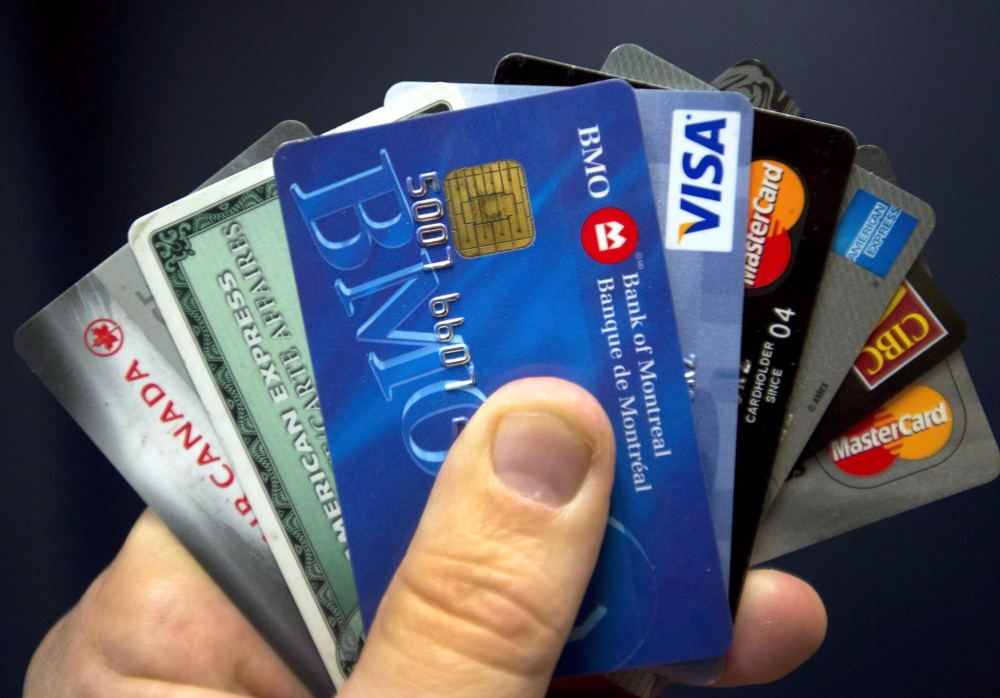
Manitoba and Saskatchewan residents anticipate rising pressure from interest rates and inflation, unemployment and the job market and Canada’s relationship with the United States according to a recent poll.
Manitoba and Saskatchewan residents also anticipate rising pressure from interest rates and inflation (53 per cent), unemployment and the job market (46 per cent) and Canada’s relationship with the United States (55 per cent).
Brad Milne, a licensed insolvency trustee at MNP’s Brandon office, said the survey results are consistent with what he sees on a day-to-day basis.
“One of the things that we tracked here is the cause of financial difficulty for people and for a long time, it would typically be unexpected life events like marital breakup or some kind of unforeseen health problems,” Milne said. “But today, a lot of people cite the cause of their financial difficulty is high interest rates and inflation.”
Manitoba and Saskatchewan residents believe everyday financial pressures will intensify, with three in five anticipating higher taxes — more than the other provinces. Additionally, around half expect transportation and health-care costs to worsen.
Although the Bank of Canada most recently held its key rate at 2.25 per cent, interest rates remain a source of stress for Manitoba and Saskatchewan residents, the survey found. Nearly two in three (62 per cent, unchanged from September) say they urgently need interest rates to come down. Nearly half (47 per cent) remain concerned about their ability to repay debt, increasing nine points since last quarter.
The number of residents who fear that a future increase in rates could push them toward bankruptcy jumped 18 points to 47 per cent — the largest increase among all of the provinces.
As these pressures intensify, the survey found more than half of Manitoba and Saskatchewan residents are adopting a “fight” mentality, taking proactive steps such as adjusting budgets, attempting to consolidate debt or seeking advice from a financial professional.
Meanwhile, one-third of Manitoba and Saskatchewan residents are taking a “flight” response, including avoiding thinking about financial responsibilities, avoiding financial discussions with family or professionals, or relying on credit to cover essential expenses.
Fifteen per cent of respondents said they feel financially frozen, unsure where to begin with facing financial stress.
“Obviously, ‘fight’ is the better mentality,” Milne said. “If you’re in a ‘flight’ situation, you’re just putting yourself at a greater risk of having to maybe consider a bankruptcy or (consumer) proposal down the road.”
Federal data from 2024 shows 3,781 consumers in Manitoba filed insolvencies under the Bankruptcy and Insolvency Act, a 4.4 per cent increase from 2023.
Of the insolvencies filed, 879 were bankruptcies and 2,902 were consumer proposals (a formal agreement between a consumer and their creditors to settle debts without filing for bankruptcy).
Manitobans who are dealing with financial stress have options for professional support, Milne said. People can contact a licensed insolvency trustee, which is a profession regulated by the federal government. They can also get in touch with the Credit Counselling Society to take advantage of free consumer debt and credit counselling services.
The sooner people look for help, the better, said Mark Kalinowski, corporate and community relations manager at the Credit Counselling Society, adding people can also talk to their bank.

“When you feel most like you can’t talk about something is probably when you need to,” said Kalinowski, who is based in Calgary.
“Everyone’s got money problems. It’s really, really hard out there — the (MNP) survey points to that. It’s OK to ask for help.”
The MNP Consumer Debt Index found while the average amount Manitoba and Saskatchewan residents have left after monthly expenses has risen by $35 since September to $785, this was the smallest increase among all of the provinces.
Significantly fewer Manitoba and Saskatchewan residents (49 per cent) report having six months of emergency savings, dropping 10 points this quarter, the survey found.
aaron.epp@freepress.mb.ca
Aaron Epp reports on business for the Free Press. After freelancing for the paper for a decade, he joined the staff full-time in 2024. Read more about Aaron.
Every piece of reporting Aaron produces is reviewed by an editing team before it is posted online or published in print — part of the Free Press‘s tradition, since 1872, of producing reliable independent journalism. Read more about Free Press’s history and mandate, and learn how our newsroom operates.
Our newsroom depends on a growing audience of readers to power our journalism. If you are not a paid reader, please consider becoming a subscriber.
Our newsroom depends on its audience of readers to power our journalism. Thank you for your support.
Aaron Epp reports on business for the Free Press. After freelancing for the paper for a decade, he joined the staff full-time in 2024. Read more about Aaron.
Every piece of reporting Aaron produces is reviewed by an editing team before it is posted online or published in print — part of the Free Press‘s tradition, since 1872, of producing reliable independent journalism. Read more about Free Press’s history and mandate, and learn how our newsroom operates.
Our newsroom depends on a growing audience of readers to power our journalism. If you are not a paid reader, please consider becoming a subscriber.
Our newsroom depends on its audience of readers to power our journalism. Thank you for your support.
Related Articles
MNP report says Canadians expect 2026 to be challenging for their finances



Advertisement Advertise With Us
Advertisement Advertise With Us