

CIBC analysts expecting wider discount on heavy oil this year
Advertisement
Read this article for free:
or
Already have an account? Log in here »
To continue reading, please subscribe:
Digital Subscription
One year of digital access for only $1.44 a week*
- Enjoy unlimited reading on winnipegfreepress.com
- Read the E-Edition, our digital replica newspaper
- Access News Break, our award-winning app
- Play interactive puzzles
*Billed as $5.77 plus GST every four weeks. After 52 weeks, price increases to the regular rate of $19.95 plus GST every four weeks. Offer available to new and qualified returning subscribers only. Cancel any time.
To continue reading, please subscribe:
Add Free Press access to your Brandon Sun subscription for only an additional
$1 for the first 4 weeks*
- Enjoy unlimited reading on winnipegfreepress.com
- Read the E-Edition, our digital replica newspaper
- Access News Break, our award-winning app
- Play interactive puzzles
*Your next Brandon Sun subscription payment will increase by $1.00 and you will be charged $17.95 plus GST for four weeks. After four weeks, your payment will increase to $24.95 plus GST every four weeks.
Read unlimited articles for free today:
or
Already have an account? Log in here »
Hey there, time traveller!
This article was published 13/01/2026 (278 days ago), so information in it may no longer be current.
CALGARY – Analysts at CIBC are forecasting a wider discount on Alberta heavy crude this year as U.S. plans to rebuild Venezuela’s ailing industry dominate headlines.
The bank estimates the differential between Western Canada Select, the heavy Alberta blend, and West Texas Intermediate, the U.S. light oil benchmark, will average US$14.25 a barrel in 2026.
For 2025, the price gap is estimated to have averaged US$11.30 as Canadian producers benefited from the first full year of operations of the Trans Mountain pipeline expansion to the West Coast, enabling exports to Asia.
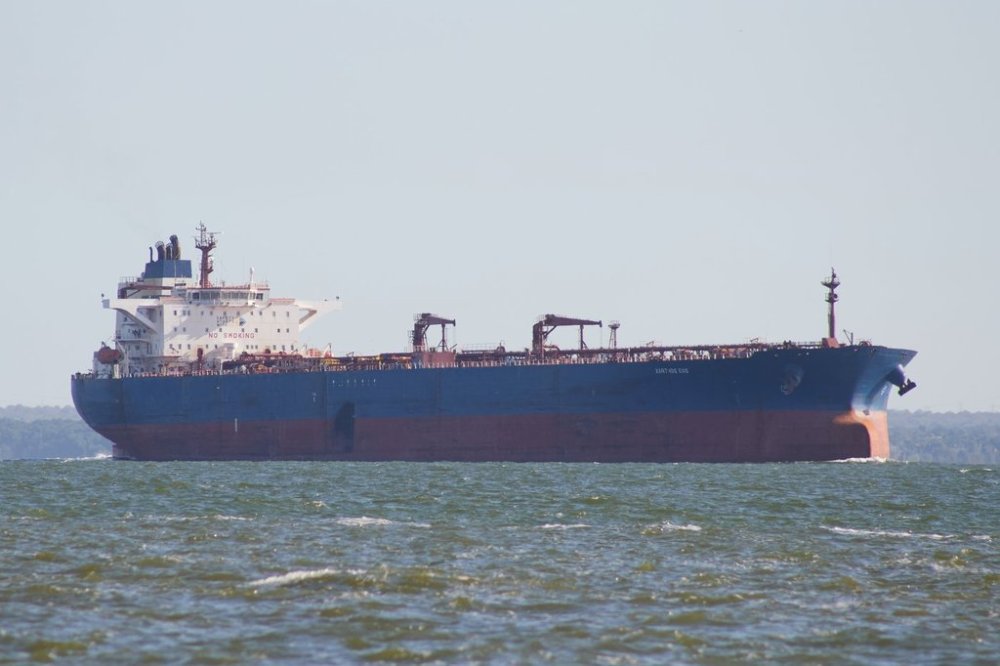
Venezuelan and Alberta oilsands crude both have a thick, tarry consistency and require specialized equipment to refine into products like gasoline and diesel. Refineries on the U.S. Gulf Coast are set up to handle that type of oil, so any meaningful increase in Venezuelan supplies on the market would compete with imports from Alberta and could weigh on WCS prices.
The majority of the 4.4 million barrels per day Canada exports to the U.S. winds up in the Midwest, while about one-tenth heads to the Gulf.
“In the near term, we expect news around resuming investment in Venezuela and targeting production restarts will dominate headlines and cause pressure on WCS-WTI basis (as well as heavy oil realizations for Western Canadian producers),” the CIBC analysts wrote.
The U.S. has been working to exert control on Venezuela’s oil sector since the capture of that country’s leader in a military raid on Jan. 3. President Donald Trump has since said he wants American oil giants to invest US$100 billion to repair Venezuela’s crumbling energy infrastructure and tap its vast reserves.
Mike Shaw, portfolio manager at Franklin Templeton’s ClearBridge Investments, said in a written commentary that there’s little risk of Canada being pushed out of the U.S. market in a meaningful way, given how integrated Midwest refineries are to cross-border pipeline networks.
“Canada’s primary exposure is to sentiment and marginal pricing, not to a sudden loss of U.S. market access. From a macro and fiscal perspective, a softer oil price environment would reduce cash-flow generation across the sector and dampen royalties, taxes, capital investment and employment tied to the energy complex,” Shaw wrote.
“That said, the downside is partially mitigated by the fact that Canadian oilsands producers have materially lowered their cost structures and can remain profitable, albeit less so, at meaningfully lower oil prices than in prior cycles.”
Meanwhile, the price of WTI was up almost three per cent to US$60.90 per barrel in afternoon trading Tuesday. The CIBC analysts forecast an average 2026 WTI price of US$60 per barrel, down from US$64.92 last year.
That report said Brent crude, the price linked to light oil produced in the North Sea, is expected to average US$63 this year. It fetches a higher price because of its ability to access global markets by sea.

Enverus is expecting Brent to average US$55 in 2026. It was trading above US$65 on Tuesday.
“Our work shows oil prices will reset lower in 2026 without signalling long-term scarcity,” said managing director Dane Gregoris.
“Upstream operators will continue to push for efficiency gains while capital stays highly selective.”
Both Enverus and CIBC are expecting weaker prices in the first part of this year, with some recovery in the second half.
This report by The Canadian Press was first published Jan. 13, 2026.
Related Articles
Canada and U.S. stock markets both lose ground after reaching records a day earlier
Advertisement Advertise With Us
Advertisement Advertise With Us