

UK inflation inches up in December but a decline toward 2% is expected in 2026
Advertisement
Read this article for free:
or
Already have an account? Log in here »
To continue reading, please subscribe:

Digital Subscription
One year of digital access for only $205*
- Enjoy unlimited reading on winnipegfreepress.com
- Read the E-Edition, our digital replica newspaper
- Access News Break, our award-winning app
- Play interactive puzzles
*First annual payment billed as $205.00 + GST for one year. This annual subscription will automatically renew at $233.00 + GST every 52 weeks (10% off the regular annual price of $259.35). Offer available to new and qualified returning subscribers only. Cancel any time.
To continue reading, please subscribe:
Add Free Press access to your Brandon Sun subscription for only an additional
$1 for the first 4 weeks*
- Enjoy unlimited reading on winnipegfreepress.com
- Read the E-Edition, our digital replica newspaper
- Access News Break, our award-winning app
- Play interactive puzzles
*Your next Brandon Sun subscription payment will increase by $1.00 and you will be charged $17.95 plus GST for four weeks. After four weeks, your payment will increase to $24.95 plus GST every four weeks.
Read unlimited articles for free today:
or
Already have an account? Log in here »
Hey there, time traveller!
This article was published 21/01/2026 (244 days ago), so information in it may no longer be current.
LONDON (AP) — Inflation in the United Kingdom rose in December for the first time in five months, pushing further above the Bank of England’s target, according to official figures released on Wednesday.
The Office for National Statistics said the consumer prices index rose by an annual rate of 3.4% in December, up from 3.2% the month before. It said increases in taxes on tobacco products and trips abroad over Christmas contributed to the increase.
The increase was slightly lower than anticipated, with most economists predicting a rise to 3.5%. They predicted that December’s rise will be a temporary blip on a downward path toward the Bank of England’s target rate of 2%.
James Smith, research director at the Resolution Foundation economic think tank, said that “big falls are due in 2026, with inflation finally returning to back to more normal levels.”
With inflation trending downwards, economists expect the Bank of England to further cut its main interest rate from the current rate of 3.75%.
Britain’s Labour government hopes that taming inflation and the associated reduction in borrowing costs will help bolster economic growth.

Elected in a landslide victory just 18 months ago, Labour has since seen its poll ratings tank badly, partly because an uptick in growth — its number one priority in the election — has remained largely elusive.
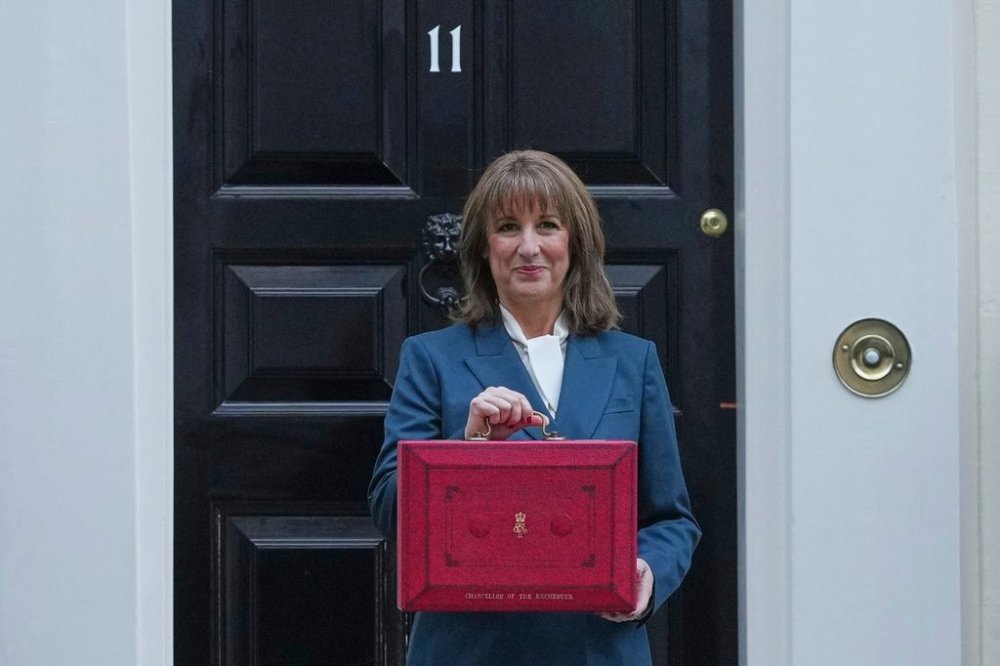
Treasury chief Rachel Reeves pledged after the release of the inflation data that 2026 would be the “year that Britain turns a corner.”