

Construction sector’s GDP rises, but still facing tariff, labour challenges: report
Advertisement
Read this article for free:
or
Already have an account? Log in here »
To continue reading, please subscribe:

Digital Subscription
One year of digital access for only $205*
- Enjoy unlimited reading on winnipegfreepress.com
- Read the E-Edition, our digital replica newspaper
- Access News Break, our award-winning app
- Play interactive puzzles
*First annual payment billed as $205.00 + GST for one year. This annual subscription will automatically renew at $233.00 + GST every 52 weeks (10% off the regular annual price of $259.35). Offer available to new and qualified returning subscribers only. Cancel any time.
To continue reading, please subscribe:
Add Free Press access to your Brandon Sun subscription for only an additional
$1 for the first 4 weeks*
- Enjoy unlimited reading on winnipegfreepress.com
- Read the E-Edition, our digital replica newspaper
- Access News Break, our award-winning app
- Play interactive puzzles
*Your next Brandon Sun subscription payment will increase by $1.00 and you will be charged $17.95 plus GST for four weeks. After four weeks, your payment will increase to $24.95 plus GST every four weeks.
Read unlimited articles for free today:
or
Already have an account? Log in here »
Hey there, time traveller!
This article was published 29/01/2026 (195 days ago), so information in it may no longer be current.
Canada’s construction sector generated growth in its most recent quarter but continues to face rising costs, especially due to ongoing tariffs.
The Canadian Construction Association’s winter 2026 economic insights report said the sector’s GDP was $170 billion in the third quarter, up 1.3 per cent compared with the previous three-month period and outpacing the all-industry average of 0.5 per cent growth.
It marked the largest quarter-over-quarter gain in the last 3.5 years and the sixth consecutive quarterly increase, as growth was driven primarily by engineering and other construction activities.
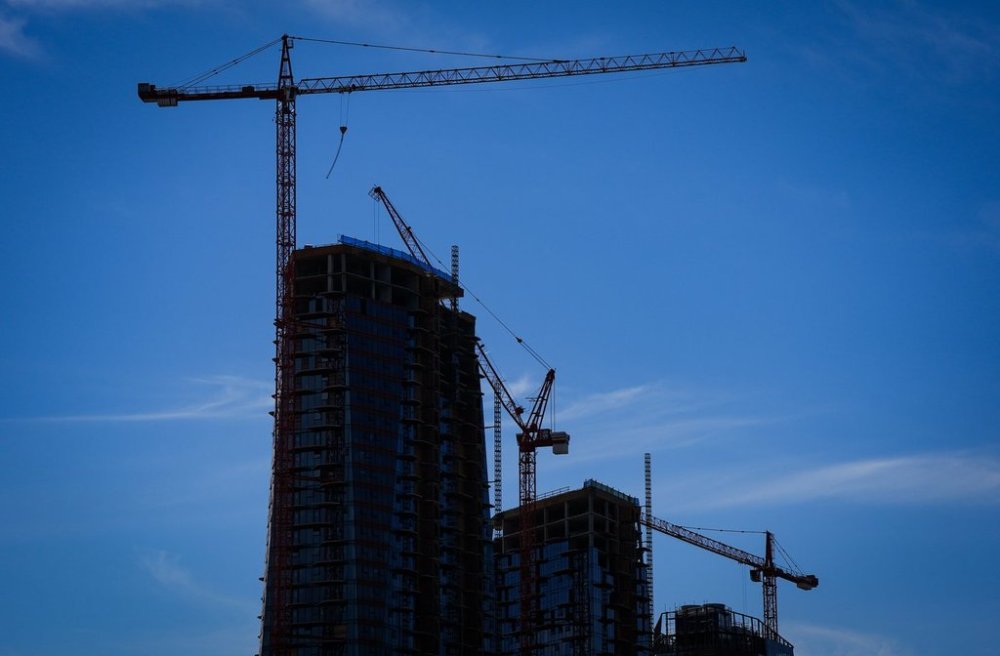
Construction sector GDP also grew by 2.6 per cent year-over year, while the all-industries average grew by 1.1 per cent.
Increased productivity came despite higher construction costs and supply chain disruptions, the report said, saying those represent “a major ongoing risk.”
The Building Construction Price Index, which the association uses to measure the total cost of constructing a typical building in 15 of Canada’s largest markets, rose 4.2 per cent year-over-year in the third quarter.
The increase was driven by higher costs for metal fabrications, structural steel and plumbing, with regions such as London, Ont., and Quebec City hit particularly hard.
The cost of factory construction increased 5.7 per cent, while the cost of office building rose 3.2 per cent.
The ongoing trade dispute between Canada and the U.S. has played a role in those increased costs, the report said. It highlighted that 16.4 per cent of construction businesses felt major negative effects from Canadian tariffs on goods purchased from U.S. suppliers and 13.6 per cent reported major disruptions from U.S. tariffs on Canadian goods.
“These findings highlight the industry’s exposure to cross-border supply chains, especially for materials that are difficult to produce domestically from scratch,” the report stated.
“In contrast, only 6.5 per cent of firms reported major positive impacts from the elimination of interprovincial trade barriers, and 9.6 per cent of construction companies were forced to change their suppliers as a result of trade disruptions.”
It said those trends are likely to persist into 2026 after the federal government’s global 25 per cent tariff on steel derivative products kicked in Dec. 26, along with ongoing buy Canadian procurement requirements and the scheduled expiration of tariff remissions on Jan. 31.

The sector also continues to face workforce-related challenges.
The country could have a shortfall of 108,300 workers by 2034, according to estimates from BuildForce Canada, driven largely by retirements and aging demographics. The Canadian Home Builders’ Association has estimated 22 per cent of residential construction workers are set to retire over the next decade.
“The opportunities ahead for our industry are significant, but so are the risks,” said Rodrigue Gilbert, president of the Canadian Construction Association, in a news release.
“Investments from the federal government will drive growth, but rising costs and workforce constraints will continue to limit the industry’s ability to unlock its full potential and deliver on Canada’s ambitious construction agenda.”
This report by The Canadian Press was first published Jan. 29, 2026.