

UK interest rate cut expected in March after inflation drop
Advertisement
Read this article for free:
or
Already have an account? Log in here »
To continue reading, please subscribe:
Digital Subscription
One year of digital access for only $1.44 a week*
- Enjoy unlimited reading on winnipegfreepress.com
- Read the E-Edition, our digital replica newspaper
- Access News Break, our award-winning app
- Play interactive puzzles
*Billed as $5.77 plus GST every four weeks. After 52 weeks, price increases to the regular rate of $19.95 plus GST every four weeks. Offer available to new and qualified returning subscribers only. Cancel any time.
To continue reading, please subscribe:
Add Free Press access to your Brandon Sun subscription for only an additional
$1 for the first 4 weeks*
- Enjoy unlimited reading on winnipegfreepress.com
- Read the E-Edition, our digital replica newspaper
- Access News Break, our award-winning app
- Play interactive puzzles
*Your next Brandon Sun subscription payment will increase by $1.00 and you will be charged $17.95 plus GST for four weeks. After four weeks, your payment will increase to $24.95 plus GST every four weeks.
Read unlimited articles for free today:
or
Already have an account? Log in here »
Hey there, time traveller!
This article was published 18/02/2026 (249 days ago), so information in it may no longer be current.
LONDON (AP) — Inflation in the U.K. fell to a 10-month low largely on the back of lower food and gas prices, official figures showed Wednesday, a downward move that has reinforced expectations that the Bank of England will cut interest rates in March.
The Office for National Statistics said the consumer prices index was 3% higher in January than the year before, down from 3.4% in December.
The decline was in line with analysts’ expectations and puts inflation well on the path to the central bank’s target of 2% over the coming months. When keeping its main interest rate on hold at 3.75% at its last meeting earlier this month, the bank predicted that inflation would be back at target by April.
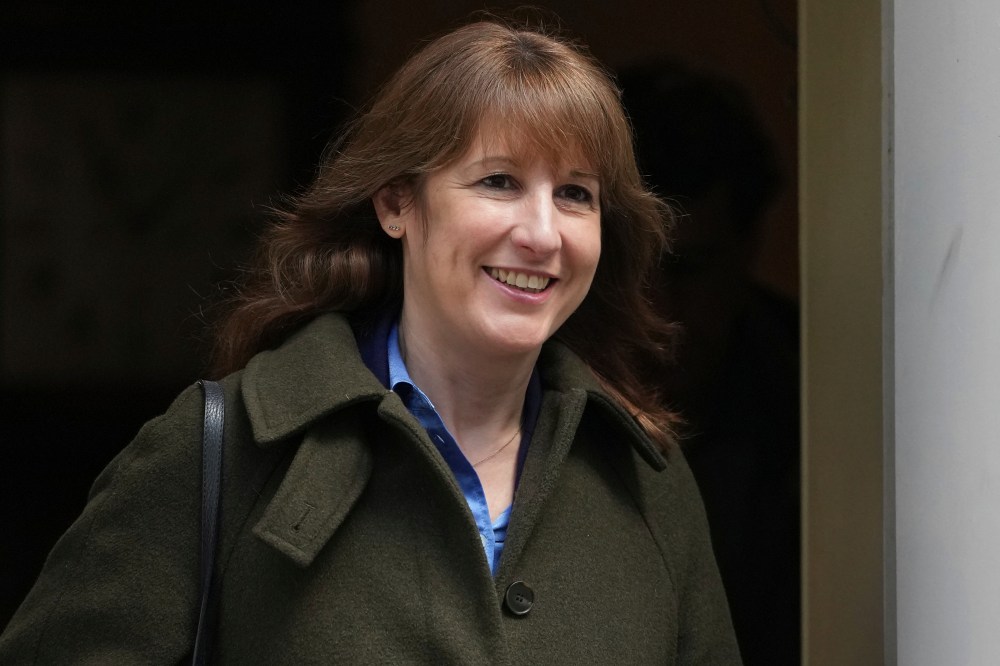
The further fall in inflation will provide some relief for the Labour government, which has seen its poll ratings fall sharply since it returned to power in July 2024, partly because of cost-of-living pressures.
”Cutting the cost of living is my number one priority,” Treasury chief Rachel Reeves said Wednesday.
Inflation is set to hit the target in April, largely because of government action. In her budget last November, Reeves announced that she would be cutting some taxes to get domestic energy bills down.

With inflation down, an interest rate reduction in March is now widely expected. The bigger question in financial markets is how many further reductions there will be this year.
“Inflation is set to fall further in coming months, falling back to 2% in the near future, which should open up further rate cuts later this year,” said Luke Bartholomew, deputy chief economist at asset management firm Aberdeen.