

Shared kitchens, food hubs can reduce barriers for startups: Competition Bureau
Advertisement
Read this article for free:
or
Already have an account? Log in here »
To continue reading, please subscribe:
Monthly Digital Subscription
$1 per week for 24 weeks*
- Enjoy unlimited reading on winnipegfreepress.com
- Read the E-Edition, our digital replica newspaper
- Access News Break, our award-winning app
- Play interactive puzzles
*Billed as $4.00 plus GST every four weeks. After 24 weeks, price increases to the regular rate of $19.95 plus GST every four weeks. Offer available to new and qualified returning subscribers only. Cancel any time.
Monthly Digital Subscription
$4.99/week*
- Enjoy unlimited reading on winnipegfreepress.com
- Read the E-Edition, our digital replica newspaper
- Access News Break, our award-winning app
- Play interactive puzzles
*Billed as $19.95 plus GST every four weeks. Cancel any time.
To continue reading, please subscribe:
Add Free Press access to your Brandon Sun subscription for only an additional
$1 for the first 4 weeks*
*Your next subscription payment will increase by $1.00 and you will be charged $16.99 plus GST for four weeks. After four weeks, your payment will increase to $23.99 plus GST every four weeks.
Read unlimited articles for free today:
or
Already have an account? Log in here »
OTTAWA – A report from the Competition Bureau says shared kitchens and food hubs could help reduce barriers to entry for small businesses in the food sector.
The agency says small- and medium-sized businesses face challenges, such as the high startup costs of a commercial-grade kitchen, processing equipment, and dealing with complex food safety regulations.
It says shared infrastructure, such as shared kitchens and food hubs — which usually come equipped with tools and are licensed by local health authorities for businesses like meal-kit providers, caterers and pop-up restaurants — could help lower costs for starting a new business while allowing people to test new products.
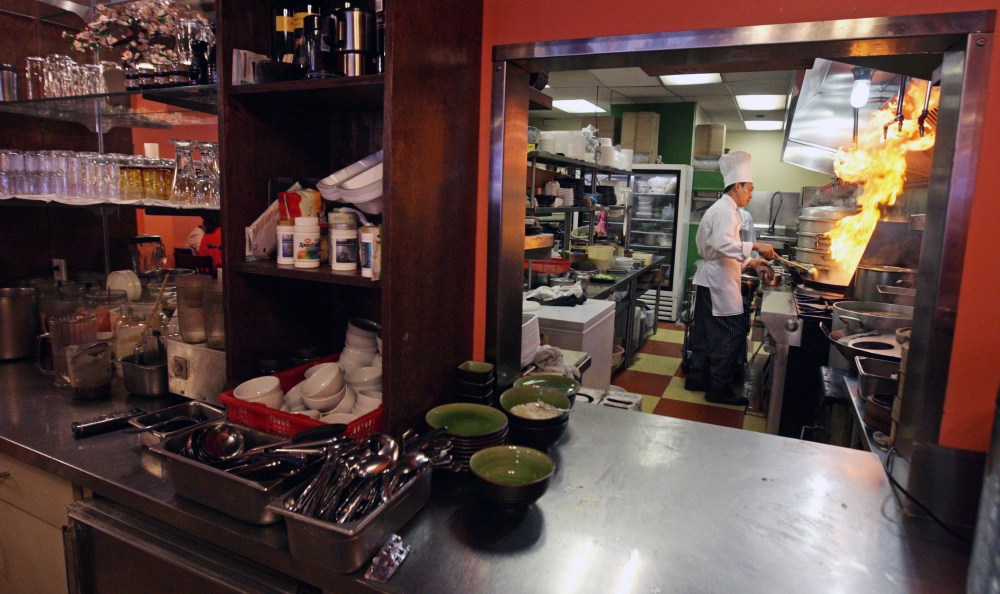
However, the bureau says shared kitchens and food hubs often face regulatory hurdles, which discourage their multi-region operations — confining businesses to operate in local markets only.
It says a balanced approach to regulations could help protect food safety while keeping the markets open and supporting small- and medium-sized businesses.

The bureau recommends policymakers align food safety rules across jurisdictions, standardize inspection procedures and use existing facilities to pilot new regulatory innovations, such as AI-supported compliance guidance.
This report by The Canadian Press was first published March 19, 2026.