

Vacation home prices expected to rise again this year: Royal LePage report
Advertisement
Read this article for free:
or
Already have an account? Log in here »
To continue reading, please subscribe:

Digital Subscription
One year of digital access for only $205*
- Enjoy unlimited reading on winnipegfreepress.com
- Read the E-Edition, our digital replica newspaper
- Access News Break, our award-winning app
- Play interactive puzzles
*First annual payment billed as $205.00 + GST for one year. This annual subscription will automatically renew at $233.00 + GST every 52 weeks (10% off the regular annual price of $259.35). Offer available to new and qualified returning subscribers only. Cancel any time.
To continue reading, please subscribe:
Add Free Press access to your Brandon Sun subscription for only an additional
$1 for the first 4 weeks*
- Enjoy unlimited reading on winnipegfreepress.com
- Read the E-Edition, our digital replica newspaper
- Access News Break, our award-winning app
- Play interactive puzzles
*Your next Brandon Sun subscription payment will increase by $1.00 and you will be charged $17.95 plus GST for four weeks. After four weeks, your payment will increase to $24.95 plus GST every four weeks.
Read unlimited articles for free today:
or
Already have an account? Log in here »
Vacation home prices are expected to grow this year, despite concerns about the economy and global turmoil putting a damper on demand in some parts of the country.
A report released Thursday by Royal LePage forecasts the median price of a single-family home in Canada’s so-called recreational regions to rise four per cent year-over-year to $604,552. It said the weighted median price of a single-family home increased 4.3 per cent year-over-year in 2025 to $581,300.
Each provincial market is expected to see price increases this year, led by a 5.5 per cent gain in Saskatchewan and Manitoba to a median price of $296,877, and a five per cent increase in Atlantic Canada to a median price of $361,305.
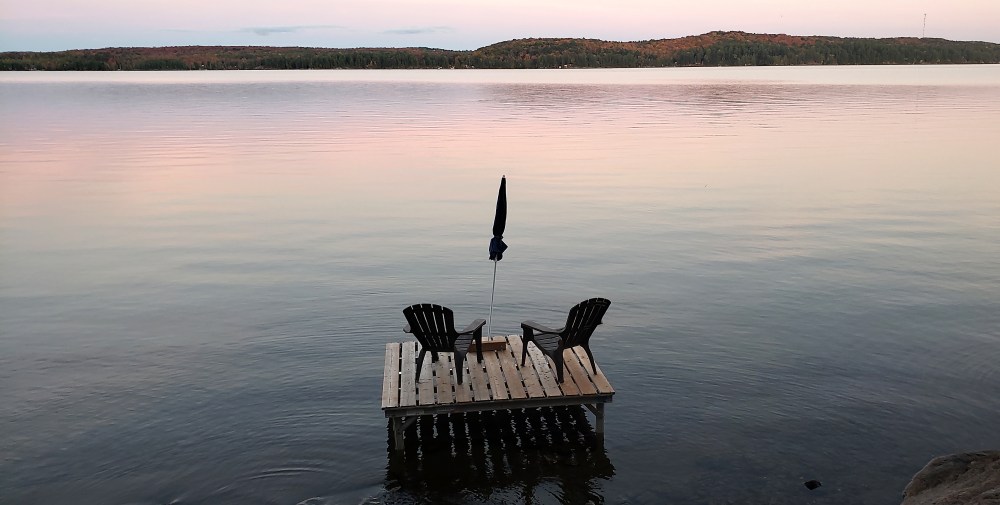
B.C. is the most expensive province to own a recreational home in, with Royal LePage forecasting a 1.5 per cent boost in the median price of a single-family property to nearly $1.06 million, followed by Alberta at $881,295, up 2.5 per cent.
Ontario is expected to see a two per cent increase to a median price of $643,722.
Royal LePage president and CEO Phil Soper said that while sales of waterfront properties have softened modestly in regions like Ontario and B.C., prices have been kept afloat by the “inherent scarcity” of supply of cottages and cabins.
“Concerns about the state of global affairs are certainly on the minds of many Canadians right now, including recreational property buyers, and are tempering demand in parts of the country. At the same time, limited supply is supporting price gains in many markets,” said Soper in a press release.
“New developments in these regions remain relatively rare, and many properties are tightly held by families for generations. This scarcity preserves the exclusivity of these markets and provides price stability, even when buyers are feeling cautious.”
The report said just over half of Royal LePage real estate representatives who focus on the recreational market have noticed similar demand levels compared with the same time last year, while 26 per cent reported less demand.
Around 35 per cent of survey respondents also said they have noticed an increase in the number of full-time residents moving back to urban centres in the last year. It comes as more return-to-office mandates have taken effect, meaning some homeowners who moved to recreational regions during the remote work era have been forced to reconsider their living arrangements.

“Several years have now passed since the gold-rush pandemic era that saw recreational property prices rise at a record pace,” Soper said.
“Today, the market has moderated, with low single-digit price appreciation becoming the norm in most regions.”
Still, demand levels have been boosted by more Canadians looking to vacation within the country rather than the U.S. amid ongoing economic and political tensions. Two-in-five real estate representatives surveyed said the “buy Canadian” movement has led to an increase in inquiries from domestic buyers of recreational real estate.
The report said 13 per cent of respondents reported an increase in interprovincial buyers in their region compared with the same time last year. One third also reported more American buyers inquiring about recreational real estate north of the border over the past year.
This report by The Canadian Press was first published March 26, 2026.