

Credit agency says surging global oil prices will help N.L.’s bottom line
Advertisement
Read this article for free:
or
Already have an account? Log in here »
To continue reading, please subscribe:

Digital Subscription
One year of digital access for only $205*
- Enjoy unlimited reading on winnipegfreepress.com
- Read the E-Edition, our digital replica newspaper
- Access News Break, our award-winning app
- Play interactive puzzles
*First annual payment billed as $205.00 + GST for one year. This annual subscription will automatically renew at $233.00 + GST every 52 weeks (10% off the regular annual price of $259.35). Offer available to new and qualified returning subscribers only. Cancel any time.
To continue reading, please subscribe:
Add Free Press access to your Brandon Sun subscription for only an additional
$1 for the first 4 weeks*
- Enjoy unlimited reading on winnipegfreepress.com
- Read the E-Edition, our digital replica newspaper
- Access News Break, our award-winning app
- Play interactive puzzles
*Your next Brandon Sun subscription payment will increase by $1.00 and you will be charged $17.95 plus GST for four weeks. After four weeks, your payment will increase to $24.95 plus GST every four weeks.
Read unlimited articles for free today:
or
Already have an account? Log in here »
ST. JOHN’S – One of the world’s largest credit rating agencies says surging global energy prices related to the Iran war could help tackle the deficit in Newfoundland and Labrador.
DBRS Morningstar says the province’s recent budget — with a deficit of $688 million — is based on an oil price of US$79 per barrel.
The price has been hovering around US$110 for weeks and the government estimates that every extra dollar is worth about C$33 million in revenue for the province.
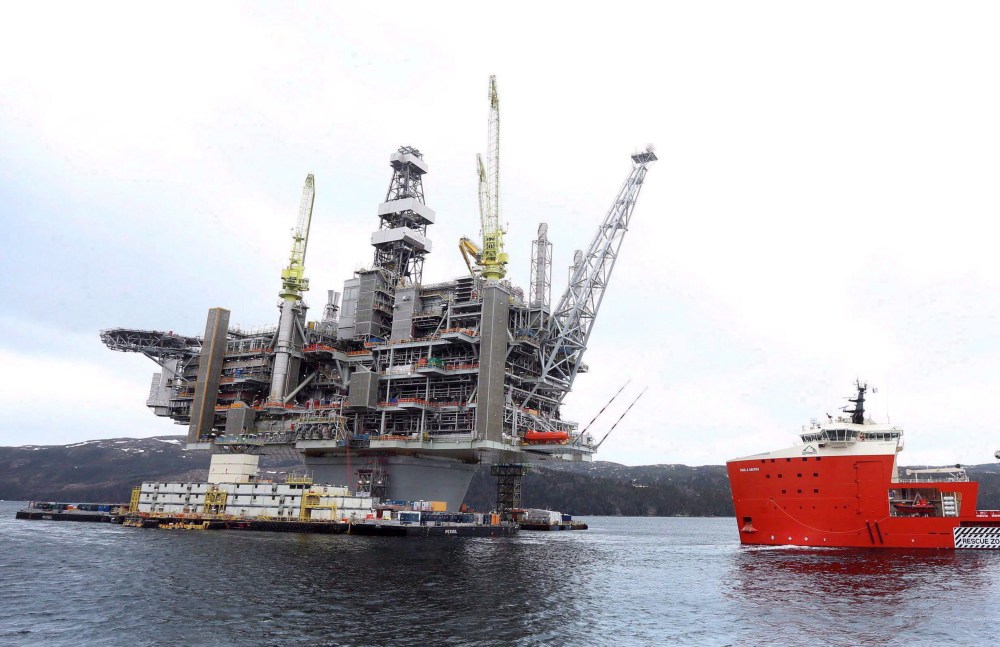
Regulators say Newfoundland and Labrador produced nine million barrels of oil in March, about 14 per cent more than the same time last year.
That oil had a total value of about $1.3 billion, up almost 55 per cent, year-over-year.
DBRS says Premier Tony Wakeham’s first budget also doesn’t include any potential upside from the memorandum of understanding between the province and Quebec that includes an increased price for power generated by the Churchill Falls hydroelectric plant in Labrador.
The two governments have not yet ratified the agreement.
“Budget 2026-27 reiterates the PC Party’s campaign priorities but presents a fiscal plan with ongoing deficits and rising debt,” Travis Shaw, a senior vice-president at DBRS, said in a statement.

“However, Newfoundland’s exposure to global commodity prices presents material fiscal upside.”
This report by The Canadian Press was first published March 3, 2026.