

OPEC+ countries agree modest rise in production as Iran retains chokehold on key Strait of Hormuz
Advertisement
Read this article for free:
or
Already have an account? Log in here »
To continue reading, please subscribe:

Digital Subscription
One year of digital access for only $205*
- Enjoy unlimited reading on winnipegfreepress.com
- Read the E-Edition, our digital replica newspaper
- Access News Break, our award-winning app
- Play interactive puzzles
*First annual payment billed as $205.00 + GST for one year. This annual subscription will automatically renew at $233.00 + GST every 52 weeks (10% off the regular annual price of $259.35). Offer available to new and qualified returning subscribers only. Cancel any time.
To continue reading, please subscribe:
Add Free Press access to your Brandon Sun subscription for only an additional
$1 for the first 4 weeks*
- Enjoy unlimited reading on winnipegfreepress.com
- Read the E-Edition, our digital replica newspaper
- Access News Break, our award-winning app
- Play interactive puzzles
*Your next Brandon Sun subscription payment will increase by $1.00 and you will be charged $17.95 plus GST for four weeks. After four weeks, your payment will increase to $24.95 plus GST every four weeks.
Read unlimited articles for free today:
or
Already have an account? Log in here »
VIENNA (AP) — Seven countries in the OPEC+ grouping of oil-producing countries — including Saudi Arabia and Russia — say they’ve decided to a modest increase in production starting in June as part of a commitment to “market stability.”
The commitment from the seven countries, also including Algeria, Iraq, Kazakhstan, Kuwait and Oman, to raise production by 188,000 barrels per day comes after a virtual meeting they held on Sunday.
The move is mostly symbolic because it comes as Iran blocks the Strait of Hormuz at the mouth of the Persian Gulf, where about a fifth of the world’s trade in oil and natural gas typically passes, in the midst of the U.S.-Israeli war. That has stopped much of the oil shipped from Gulf producers and knocked millions of barrels a day off the global market.
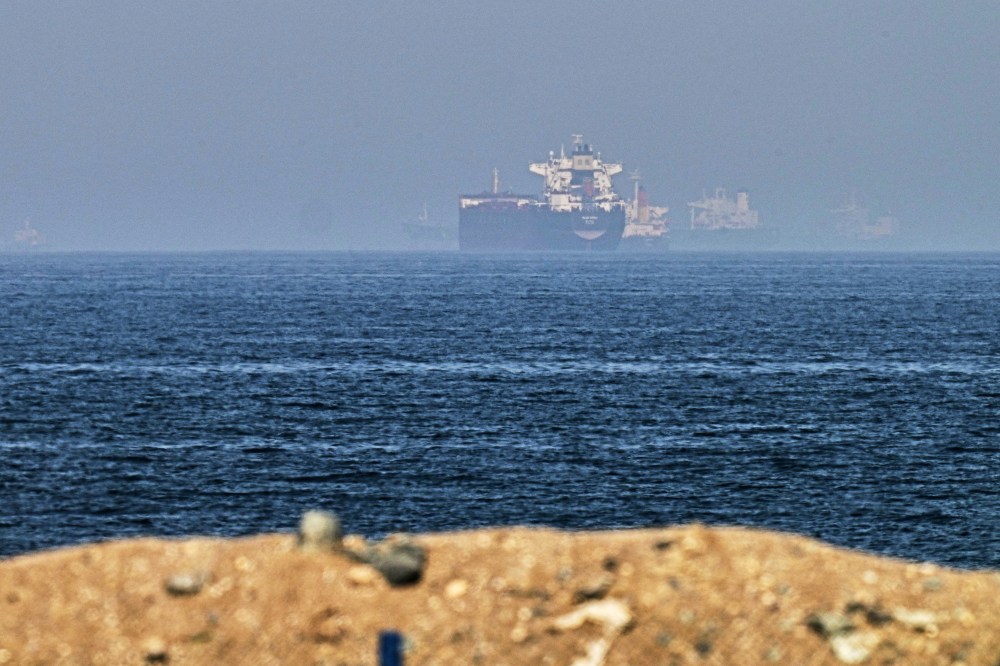
It also follows a decision by the United Arab Emirates to leave the OPEC oil cartel, shaking up the 65-year-old alliance that produces some 40% of the world’s crude oil and exerts major influence over the price of energy around the globe.

Iran is one of OPEC’s 12 member countries, and Russia is not — it works with the Vienna-based oil producers alliance through the OPEC+ grouping.
The seven countries said they would hold monthly meetings “to review market conditions, conformity, and compensation” and plan to meet again on June 7.