

Turkey removes a restriction on direct trade with Armenia to improve ties
Advertisement
Read this article for free:
or
Already have an account? Log in here »
To continue reading, please subscribe:

Digital Subscription
One year of digital access for only $205*
- Enjoy unlimited reading on winnipegfreepress.com
- Read the E-Edition, our digital replica newspaper
- Access News Break, our award-winning app
- Play interactive puzzles
*First annual payment billed as $205.00 + GST for one year. This annual subscription will automatically renew at $233.00 + GST every 52 weeks (10% off the regular annual price of $259.35). Offer available to new and qualified returning subscribers only. Cancel any time.
To continue reading, please subscribe:
Add Free Press access to your Brandon Sun subscription for only an additional
$1 for the first 4 weeks*
- Enjoy unlimited reading on winnipegfreepress.com
- Read the E-Edition, our digital replica newspaper
- Access News Break, our award-winning app
- Play interactive puzzles
*Your next Brandon Sun subscription payment will increase by $1.00 and you will be charged $17.95 plus GST for four weeks. After four weeks, your payment will increase to $24.95 plus GST every four weeks.
Read unlimited articles for free today:
or
Already have an account? Log in here »
ANKARA, Turkey (AP) — Turkey removed a restriction on direct trade with Armenia on Wednesday in a symbolic gesture toward improved ties between the longtime rivals.
Turkey and Armenia have no formal relations and their joint border has been closed since the 1990s. Relations between the neighbors have been strained over historic grievances and Turkey’s alliance with Azerbaijan.
Armenia and Turkey agreed in late 2021 to work toward improving the relationship and appointed special envoys to discuss ways to reconcile and open the border. The efforts have resulted in the resumption of direct flights between the two countries and the easing of some visa restrictions.
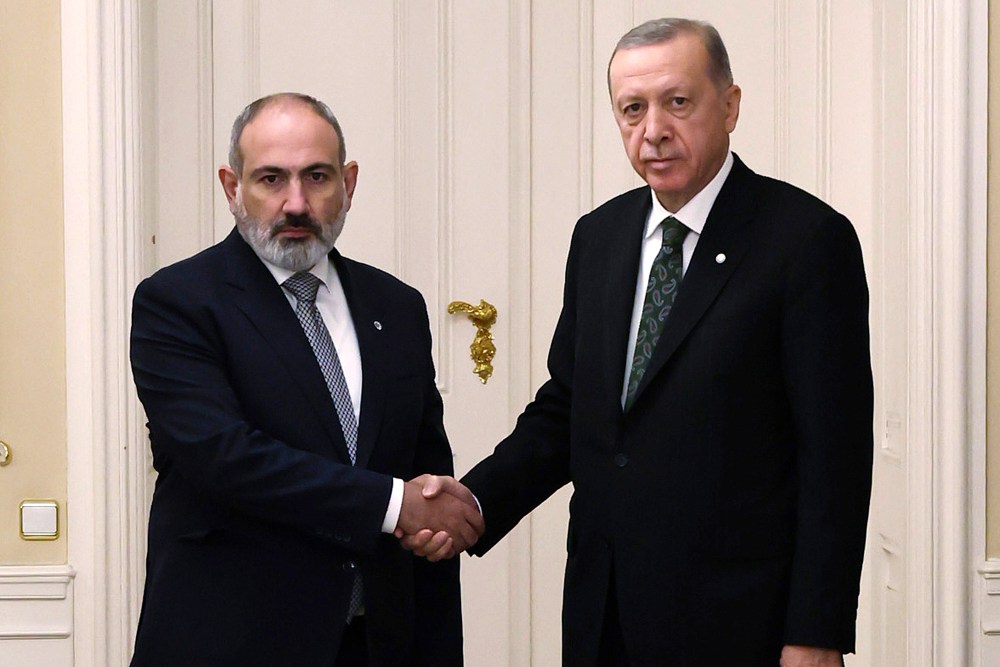
Turkish Foreign Ministry Spokesman Oncu Keceli said Wednesday on social media platform X that technical and bureaucratic work aimed at opening the shared border was continuing.
Under a new arrangement, shipments of goods from Turkey or Armenia through a third country may now directly list their final destination or point of origin as Turkey or Armenia, lifting a prior restriction on such designations, Keceli said.
“In the light of the historic opportunity seized to strengthen lasting peace and prosperity in the South Caucasus, Türkiye will continue to contribute to the development of economic relations in the region and to further advancing cooperation for the benefit of all countries and peoples of the region,” Keceli wrote, using the government’s preferred spelling for Turkey.
Armenia welcomed the move.

“We would like to emphasize that this is an important step toward the establishment of full and normalized relations between the two countries, which could logically continue through the opening of the Armenia-Turkey border and the establishment of diplomatic relations,” Armenian Foreign Ministry Spokesperson Ani Badalyan said on X.
Turkey, a close ally of Azerbaijan, shut down its border with Armenia in 1993 in a show of solidarity with Baku, which was locked in a conflict with Armenia over Karabakh, a region internationally known as Nagorno-Karabakh.
In 2020, Turkey strongly backed Azerbaijan in its six-week conflict with ethnic Armenian forces backed by Armenia over Karabakh, which resulted in Azerbaijan regaining control of a significant part of the region and areas around it. Azerbaijan used Turkish military equipment in the conflict, including combat drones.
Turkey and Armenia also have a long and bitter relationship over the deaths of an estimated 1.5 million Armenians in massacres, deportations and forced marches that began in 1915 in Ottoman Turkey.
Historians widely view the event as genocide. Turkey vehemently rejects the label, conceding many died in that era but insisting the death toll is inflated and the deaths resulted from civil unrest.