

As US stock market hits new highs, 2 of 3 Americans are cutting back on spending, survey shows
Advertisement
Read this article for free:
or
Already have an account? Log in here »
To continue reading, please subscribe:

Digital Subscription
One year of digital access for only $205*
- Enjoy unlimited reading on winnipegfreepress.com
- Read the E-Edition, our digital replica newspaper
- Access News Break, our award-winning app
- Play interactive puzzles
*First annual payment billed as $205.00 + GST for one year. This annual subscription will automatically renew at $233.00 + GST every 52 weeks (10% off the regular annual price of $259.35). Offer available to new and qualified returning subscribers only. Cancel any time.
To continue reading, please subscribe:
Add Free Press access to your Brandon Sun subscription for only an additional
$1 for the first 4 weeks*
- Enjoy unlimited reading on winnipegfreepress.com
- Read the E-Edition, our digital replica newspaper
- Access News Break, our award-winning app
- Play interactive puzzles
*Your next Brandon Sun subscription payment will increase by $1.00 and you will be charged $17.95 plus GST for four weeks. After four weeks, your payment will increase to $24.95 plus GST every four weeks.
Read unlimited articles for free today:
or
Already have an account? Log in here »
WASHINGTON (AP) — U.S. consumer confidence declined slightly this month as gas prices stayed high and inflation remained elevated, a sharp contrast to soaring stock prices hover near record levels.
The Conference Board’s consumer confidence index slipped 0.7 points to 93.1 in May, the first decline after three months of gains. The measure hasn’t fallen as much this year as other gauges of consumer attitudes, but it has been stuck at a low level since the pandemic. Before COVID-19, it regularly reached 130.
A separate gauge of consumer sentiment released last week by the University of Michigan fell to a record low this month. Soaring gas and food costs have worsened inflation that is outpacing the average growth in paychecks, reducing most Americans’ purchasing power. Americans have soured on President Trump’s economic policies, polls show, potentially creating problems for Republicans heading into the midterm elections.
Consumer sentiment is mostly gloomy even as the economy is still growing and the unemployment rate has stayed low. Some economists argue that the gap reflects inequality in a “K-shaped” economy, with higher-income Americans benefitting from rising stock prices and still spending while lower-income households struggle.
Tuesday’s consumer confidence survey showed that confidence grew among households with incomes at or above $100,000, while it fell for most others.
“The prospect of higher prices and faster inflation continues to loom over confidence readings with many households taking a more cautious approach to purchases this year,” Ben Ayers, Nationwide senior economist, said.
There were some positive signs, Ayers noted: Americans’ expectations for growth six months in the future improved, potentially a sign they expect the Iran war to be over by then.
Still, Americans’ outlook on the job market worsened slightly. The proportion of respondents who said jobs are “plentiful” dropped to 25.5%, the lowest in three years. At the same time, just 18.6% said jobs were “hard to get,” the smallest percentage since October. The findings reflect the “low-hire, low-fire” job market that has made it harder for those out of work to obtain new jobs.
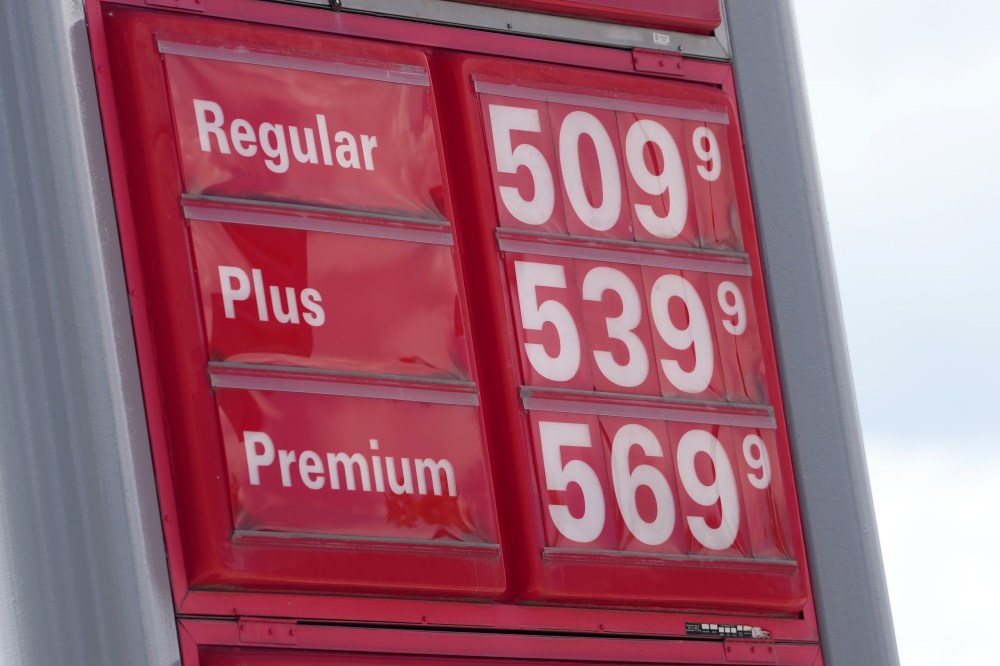
Gas prices have soared to a nationwide average of $4.49 a gallon from $2.98 just before the war began at the end of February, and have been at or above $4.50 a gallon for nearly all of May.
This month, the Conference Board added special questions to its survey, which found rising prices have caused most Americans to change their spending habits. Two-thirds of respondents said they are cutting back spending in response to the increases, with most of those reducing overall purchases and delaying more expensive acquisitions.

Many consumers are also planning to economize on clothes, shoes, hobby items, and toys and games, the survey found.
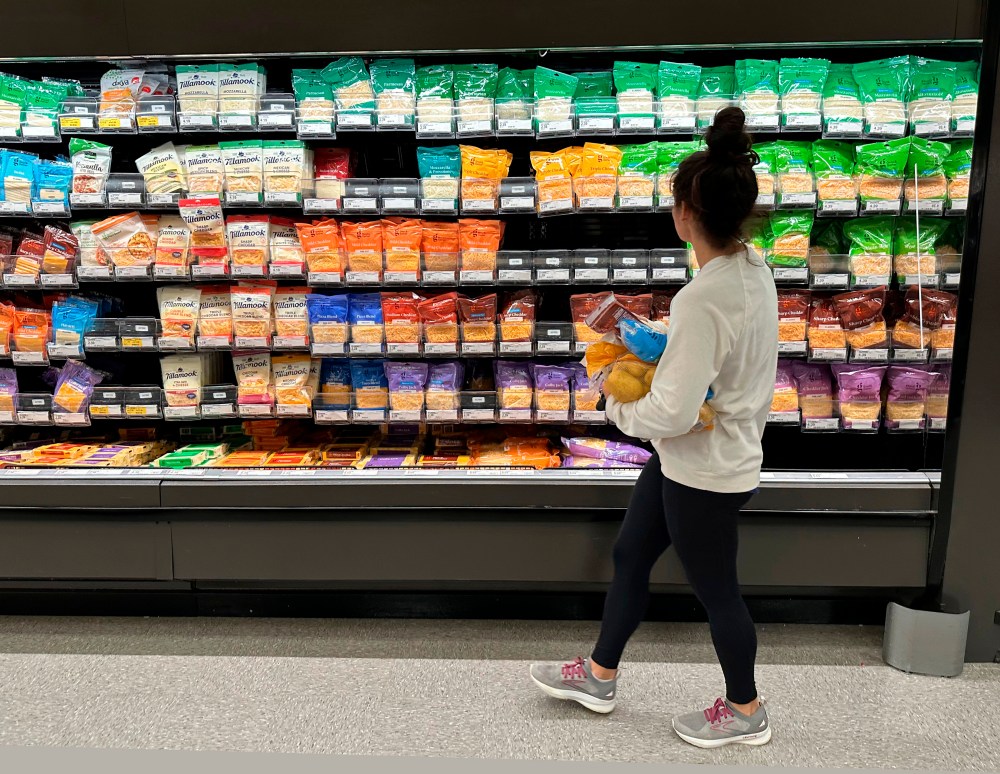
Inflation jumped to 3.8% in April, the highest in three years and far above the Federal Reserve’s 2% target. In addition to more expensive gas, grocery prices have also started rising more quickly, likely driven by higher shipping costs. Beef prices have also risen sharply, as drought and other factors have reduced cattle herds.
The higher prices are reducing Americans’ average inflation-adjusted incomes. Average hourly earnings, adjusted for price changes, shrank in April from a year earlier for the first time in three years.
Other data also suggests consumers have grown more cautious amid rising prices. Adjusted for inflation, retail sales actually declined in April, after a solid increase in March.
And the University of Michigan’s consumer sentiment index fell to a record-low 44.8 in May, its third straight decline, as a majority of respondents said rising prices were hurting their personal finances.