

The Trump administration says it is cutting student loan interest. Here are some facts and context
Advertisement
Read this article for free:
or
Already have an account? Log in here »
To continue reading, please subscribe:

Digital Subscription
One year of digital access for only $205*
- Enjoy unlimited reading on winnipegfreepress.com
- Read the E-Edition, our digital replica newspaper
- Access News Break, our award-winning app
- Play interactive puzzles
*First annual payment billed as $205.00 + GST for one year. This annual subscription will automatically renew at $233.00 + GST every 52 weeks (10% off the regular annual price of $259.35). Offer available to new and qualified returning subscribers only. Cancel any time.
To continue reading, please subscribe:
Add Free Press access to your Brandon Sun subscription for only an additional
$1 for the first 4 weeks*
- Enjoy unlimited reading on winnipegfreepress.com
- Read the E-Edition, our digital replica newspaper
- Access News Break, our award-winning app
- Play interactive puzzles
*Your next Brandon Sun subscription payment will increase by $1.00 and you will be charged $17.95 plus GST for four weeks. After four weeks, your payment will increase to $24.95 plus GST every four weeks.
Read unlimited articles for free today:
or
Already have an account? Log in here »
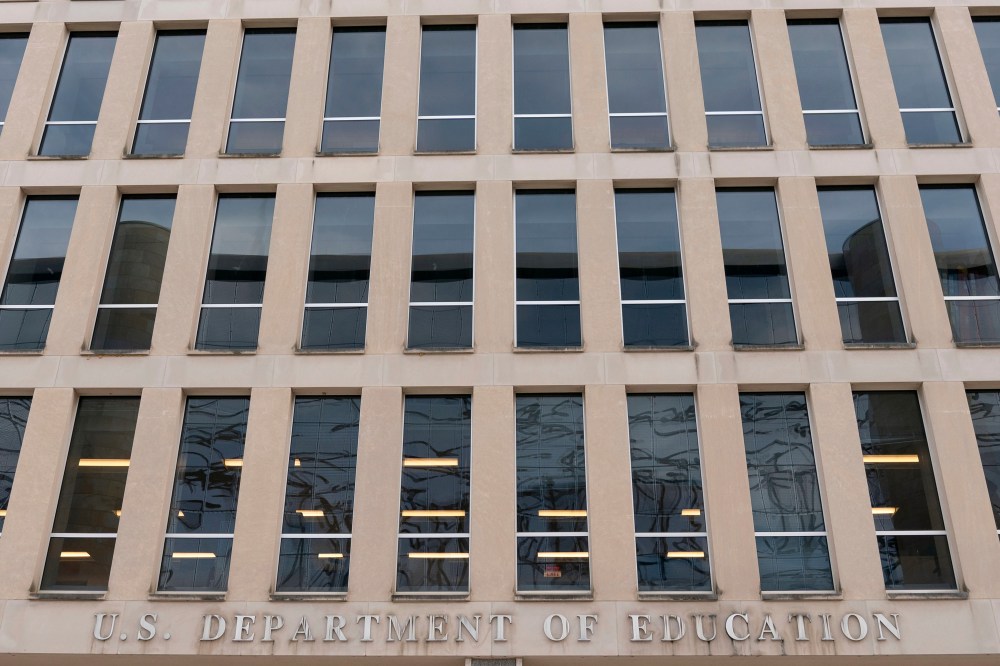
WASHINGTON (AP) — The Education Department on Thursday announced a reduction in interest rates for federal student loans, describing it as part of a plan to make higher education more affordable.
With growing numbers of borrowers in default, the Trump administration pitched the temporary, 1% reduction in student loan interest rates as a salve for those struggling with repayment.
Education Undersecretary Nicholas Kent said the change is a way of “making student loan repayment easier than ever” and of improving “the overall health of the federal student loan portfolio.”
But the change does not apply to all borrowers, and those pursuing the reduction will need to meet eligibility criteria.
Here are details of the plan and some context behind them:
Which borrowers are eligible for the rate reduction?
WHAT THE DEPARTMENT SAID: The headline on the news release said: “U.S. Department of Education Announces Student Loan Interest Rate Reduction.”
THE BACKSTORY: The change will only affect a subset of borrowers — those with federal Direct Loans issued after July 1, 2012, who are already enrolled in automatic payments or sign up for them.
Many borrowers won’t see any immediate benefit. To qualify, they have to first take a set of actions including signing up for auto pay and, in some cases, consolidating their loans.
Currently, just 40% of borrowers are enrolled in auto pay — a figure the department is hoping to increase with the new incentive of the interest rate reduction.
Nearly 9 million student loan borrowers are in default, meaning they’ve missed nine months of payments. For them to become eligible for the rate reduction, they must get back in good standing, typically by consolidating their loans and then applying for a new repayment plan.
How much of an interest rate reduction will borrowers see?
WHAT THE DEPARTMENT SAID: Officials said those enrolled in auto pay will be eligible for a 1% rate reduction beginning July 1.
THE BACKSTORY: For borrowers already enrolled in auto pay, the savings will be smaller. Borrowers who currently use auto pay already receive an interest-rate discount of 0.25%, so the new reduction takes off just 0.75%.
For all borrowers, the rate reduction will be temporary, lasting through June 30, 2028.

The federal student loan portfolio has ballooned to almost $1.7 trillion, with millions of borrowers struggling to keep up.
The rate reduction aims to help get more Americans back on track with student loans as the Trump administration struggles to rein in rising rates of delinquency and defaults on student loans.
As it phases out Biden-era options for loan repayment, the Education Department is offering its own plans for repayment, including an income-driven option. Officials said enrollment in auto pay also can help borrowers maintain their eligibility for those plans by helping them avoid missed payments.
___
The Associated Press’ education coverage receives financial support from multiple private foundations. AP is solely responsible for all content. Find AP’s standards for working with philanthropies, a list of supporters and funded coverage areas at AP.org.