

All 32 of the nation’s biggest banks clear the Fed’s annual ‘stress test’
Advertisement
Read this article for free:
or
Already have an account? Log in here »
To continue reading, please subscribe:

Digital Subscription
One year of digital access for only $205*
- Enjoy unlimited reading on winnipegfreepress.com
- Read the E-Edition, our digital replica newspaper
- Access News Break, our award-winning app
- Play interactive puzzles
*First annual payment billed as $205.00 + GST for one year. This annual subscription will automatically renew at $233.00 + GST every 52 weeks (10% off the regular annual price of $259.35). Offer available to new and qualified returning subscribers only. Cancel any time.
To continue reading, please subscribe:
Add Free Press access to your Brandon Sun subscription for only an additional
$1 for the first 4 weeks*
- Enjoy unlimited reading on winnipegfreepress.com
- Read the E-Edition, our digital replica newspaper
- Access News Break, our award-winning app
- Play interactive puzzles
*Your next Brandon Sun subscription payment will increase by $1.00 and you will be charged $17.95 plus GST for four weeks. After four weeks, your payment will increase to $24.95 plus GST every four weeks.
Read unlimited articles for free today:
or
Already have an account? Log in here »
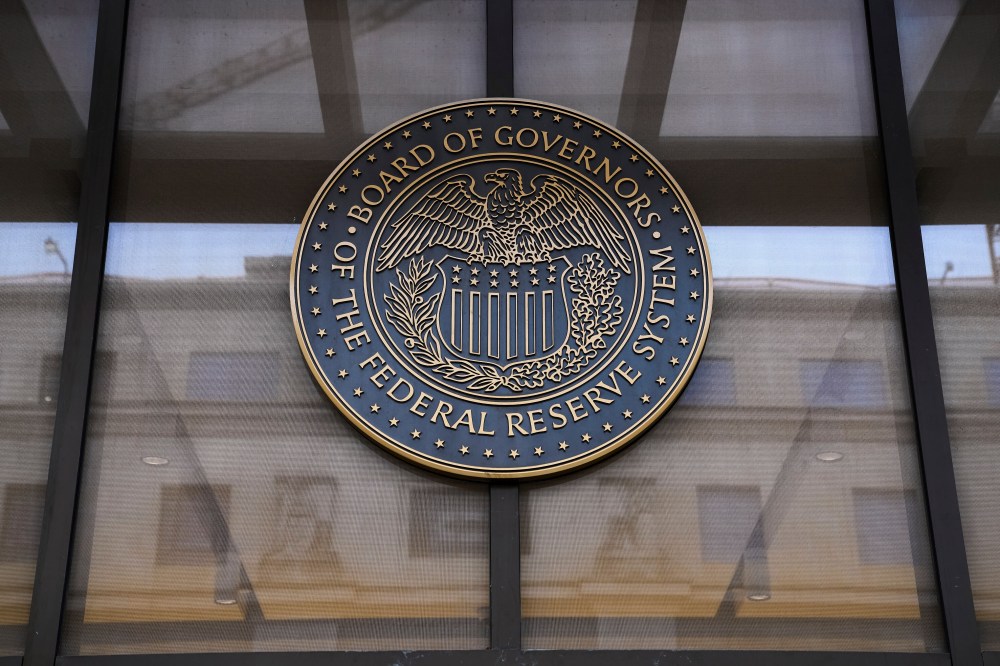
NEW YORK (AP) — All 32 of the nation’s biggest banks passed the Federal Reserve’s annual “stress test” of the financial system, the central bank said Wednesday, a sign that the banking system would remain healthy even if a major economic contraction occurred.
The annual stress test measures whether a bank’s capital, a financial cushion it uses to absorb losses, would remain at healthy levels even after hundreds of billions of dollars in projected losses. The tests are required under the Dodd-Frank Act, the law passed after the 2008 financial crisis that nearly brought down the global financial system.
The 2026 scenario that the Fed used is similar to the one they used last year. In the Fed’s scenario, unemployment would rise from 5.5% to 10% and the U.S. economy would contract 4.6%. Housing prices would fall 30% from their current levels and the stock market would plunge 58%.
The scenario would result in the nation’s 32 biggest banks facing $708 billion in loan losses, but the overall capital ratio of these banks would fall only 1.6 percentage points, from 12.8% to 11.2%. By law and regulation, these large banks’ common equity Tier 1 capital ratio must remain above 4.5%, plus additional buffers that vary by bank.

The stress test applied only to the nation’s most systematically important banks, those whose failures would bring significant turmoil to the financial system.
A bank that performed poorly on the stress test could face higher capital requirements, which could limit its ability to pay dividends or buy back stock. Banks typically announce their plans for dividends and share repurchases after the Fed releases the stress-test results. Shortly after the Fed’s announcement, JPMorgan Chase said it would increase its quarterly dividend to $1.65 a share from $1.50 a share, and intends to buy back an additional $50 billion in stock.