

Bell completes ground station build in step toward launching space-based service
Advertisement
Read this article for free:
or
Already have an account? Log in here »
To continue reading, please subscribe:

Digital Subscription
One year of digital access for only $205*
- Enjoy unlimited reading on winnipegfreepress.com
- Read the E-Edition, our digital replica newspaper
- Access News Break, our award-winning app
- Play interactive puzzles
*First annual payment billed as $205.00 + GST for one year. This annual subscription will automatically renew at $233.00 + GST every 52 weeks (10% off the regular annual price of $259.35). Offer available to new and qualified returning subscribers only. Cancel any time.
To continue reading, please subscribe:
Add Free Press access to your Brandon Sun subscription for only an additional
$1 for the first 4 weeks*
- Enjoy unlimited reading on winnipegfreepress.com
- Read the E-Edition, our digital replica newspaper
- Access News Break, our award-winning app
- Play interactive puzzles
*Your next Brandon Sun subscription payment will increase by $1.00 and you will be charged $17.95 plus GST for four weeks. After four weeks, your payment will increase to $24.95 plus GST every four weeks.
Read unlimited articles for free today:
or
Already have an account? Log in here »
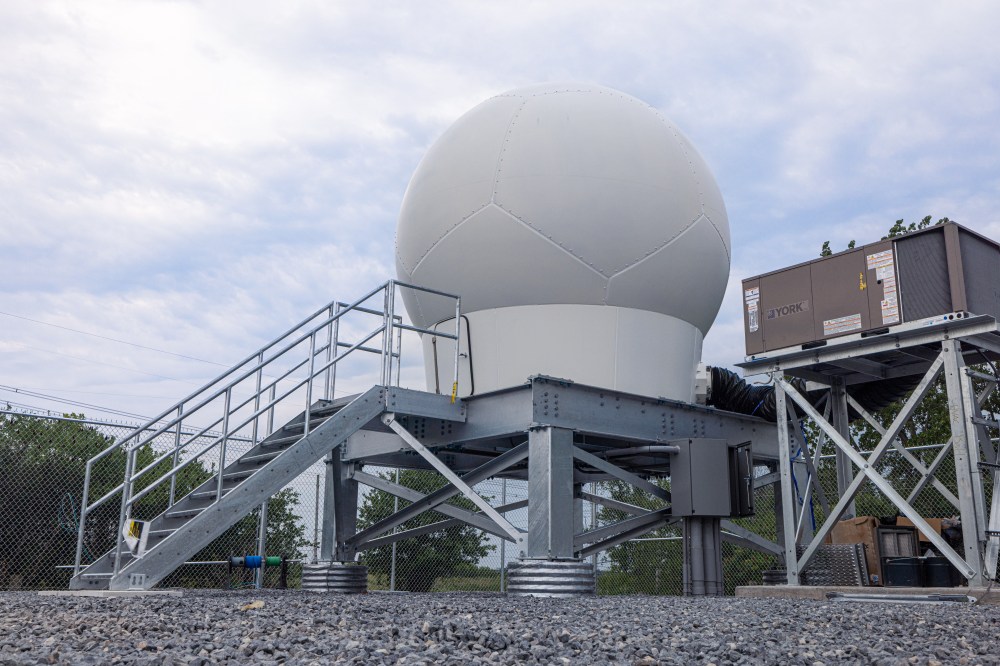
Bell Canada says it has reached a key milestone toward launching satellite-to-mobile coverage after it finished building a ground station in Quebec.
Last fall, the telecommunications company announced plans to launch space-based cellular service through a partnership with Texas-based AST SpaceMobile using low-earth orbit satellites.
Bell said testing has begun at the ground station facility, which connects with AST SpaceMobile’s satellite constellation to integrate its space-based cellular broadband network with Bell’s terrestrial network. The site will form part of the Canadian infrastructure supporting direct-to-device satellite service.
The company has completed integration testing, including text messaging, data connectivity, voice call and video call tests on standard smartphones through its ground station, with plans to test video streaming, Internet-of-Things and public alerts in the coming weeks.
The technology is meant to keep Bell customers connected in areas beyond the reach of traditional wireless networks, such as northern communities and remote coastal regions.
“The satellite ground infrastructure we’re building is designed to support a full suite of direct-to-device capabilities … helping extend connectivity to remote and underserved areas,” said Bell executive vice-president and chief technology officer Mark McDonald in a news release.
“Together with Bell’s world-class wireless network, it will help keep customers connected wherever they live, work and travel.”
Bell is aiming to launch its satellite coverage early next year.
Chris Ivory, chief commercial officer for AST SpaceMobile, said customers should expect a “seamless connectivity experience” on their smartphones.
“Canada’s vast and diverse geography presents a unique need to extend cellular broadband beyond the reach of traditional terrestrial infrastructure,” Ivory said in a news release.

“Bell’s continued investment in their mobile network, combined with AST SpaceMobile’s unique space-based cellular broadband technology, will extend coverage beyond the reach of traditional terrestrial networks.”
Competitor Rogers Communications Inc. launched its own version of satellite-to-mobile service a year ago in partnership with Elon Musk’s SpaceX, combining its wireless network with Starlink’s low-earth orbit satellites to connect cellphones in dead zones.
Rogers initially offered text message capability for beta users before adding WhatsApp voice and video calling in December. Other apps such as Google Maps now work through Rogers Satellite as well, and the company previously said it planned to enable traditional cellphone calls, including 911 voice services, this year.
This report by The Canadian Press was first published July 15, 2026.
Companies in this story: (TSX:BCE)