

South Korea’s central bank hikes rate for 1st time since 2023 to curb inflation, debt
Advertisement
Read this article for free:
or
Already have an account? Log in here »
To continue reading, please subscribe:

Digital Subscription
One year of digital access for only $205*
- Enjoy unlimited reading on winnipegfreepress.com
- Read the E-Edition, our digital replica newspaper
- Access News Break, our award-winning app
- Play interactive puzzles
*First annual payment billed as $205.00 + GST for one year. This annual subscription will automatically renew at $233.00 + GST every 52 weeks (10% off the regular annual price of $259.35). Offer available to new and qualified returning subscribers only. Cancel any time.
To continue reading, please subscribe:
Add Free Press access to your Brandon Sun subscription for only an additional
$1 for the first 4 weeks*
- Enjoy unlimited reading on winnipegfreepress.com
- Read the E-Edition, our digital replica newspaper
- Access News Break, our award-winning app
- Play interactive puzzles
*Your next Brandon Sun subscription payment will increase by $1.00 and you will be charged $17.95 plus GST for four weeks. After four weeks, your payment will increase to $24.95 plus GST every four weeks.
Read unlimited articles for free today:
or
Already have an account? Log in here »
SEOUL, South Korea (AP) — South Korea’s central bank on Thursday raised its key interest rate for the first time in more than three years, aiming to tighten money supply to combat inflation worsened by the intensifying war in the Middle East and slow the growth of the country’s high household debt.
Following a monetary policy meeting, the Bank of Korea raised its benchmark policy rate by a quarter percentage point from 2.5% to 2.75% in the first hike since January 2023.
The bank had kept rates steady or lowered them in recent years despite concerns about soaring household debt and real estate prices, prioritizing support for the country’s trade-dependent economy in the face of geopolitical turmoil and U.S. President Donald Trump’s sweeping tariff hikes.
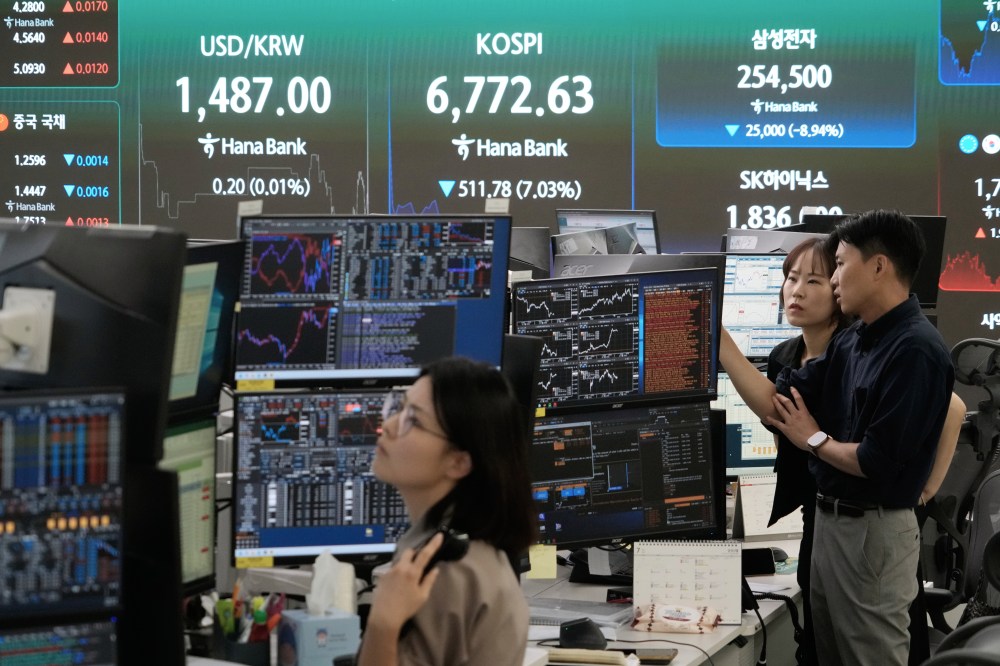
But policymakers now see room to increase borrowing costs with the economy performing better than expected, thanks to robust semiconductor exports driven by the global boom in artificial intelligence spending. The government on Tuesday raised the country’s 2026 growth outlook to 3%, which would be the highest annual growth rate since 2021.
Consumer price inflation exceeded 3% in both May and June, above the bank’s 2% target, driven by higher energy costs stemming from the U.S. and Israel’s war with Iran and the weakness of the Korean won, which analysts attribute to the country’s dependence on imported energy and foreign capital flows.
There’s also concern about rising household debt, with higher real estate prices in Seoul and surrounding metropolitan areas and a rally in technology stocks fueling borrowing.

Despite the country’s chip-driven growth, the job market continues to be sluggish, particularly in manufacturing and sectors such as chemicals and energy, which have been hurt by disruptions linked to the war in the Middle East.
Bank of Korea Governor Shin Hyun Song said all seven members of the bank’s monetary policy committee supported raising the benchmark rate, saying it was necessary given trends in “all three aspects of growth, consumer prices and financial stability.”
“Inflation is expected to remain above the target level for a considerable period, and risks to financial stability also persist,” Shin said in a news conference, referring to the rising real estate prices, household debt and volatility in currency markets.
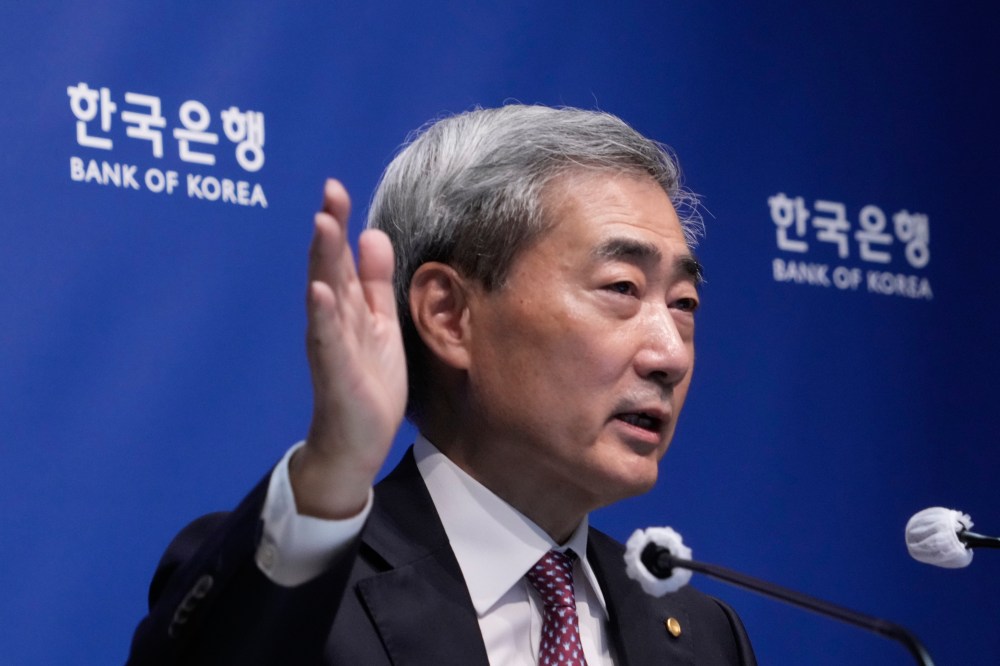
He said there was a need to raise borrowing costs further and that the “timing and pace of any additional rate hikes would depend on incoming data,“ while downplaying concerns that the bank’s policy could conflict with the government’s plans to increase spending to support the economy.
Thursday’s rate hike was widely expected after Shin said at the bank’s May policy meeting that interest rates should be raised at an “appropriate time.”