

Ghana parliament backs tough cocoa farm protections, with up to 20 years in prison
Advertisement
Read this article for free:
or
Already have an account? Log in here »
To continue reading, please subscribe:

Digital Subscription
One year of digital access for only $205*
- Enjoy unlimited reading on winnipegfreepress.com
- Read the E-Edition, our digital replica newspaper
- Access News Break, our award-winning app
- Play interactive puzzles
*First annual payment billed as $205.00 + GST for one year. This annual subscription will automatically renew at $233.00 + GST every 52 weeks (10% off the regular annual price of $259.35). Offer available to new and qualified returning subscribers only. Cancel any time.
To continue reading, please subscribe:
Add Free Press access to your Brandon Sun subscription for only an additional
$1 for the first 4 weeks*
- Enjoy unlimited reading on winnipegfreepress.com
- Read the E-Edition, our digital replica newspaper
- Access News Break, our award-winning app
- Play interactive puzzles
*Your next Brandon Sun subscription payment will increase by $1.00 and you will be charged $17.95 plus GST for four weeks. After four weeks, your payment will increase to $24.95 plus GST every four weeks.
Read unlimited articles for free today:
or
Already have an account? Log in here »
ACCRA, Ghana (AP) — Ghana’s parliament passed a bill that could send cocoa farmers to prison for up to 20 years if they convert their farms to other uses without government approval, according to a copy of the bill seen by The Associated Press.
The new measure was passed on Thursday, but the contents of the law were not made public until late Sunday. President John Mahama has not yet signed the law.
The legislation would give all cocoa farms protected status, making it a criminal offense to repurpose them for anything else without authorization, drawing criticism from farmers.
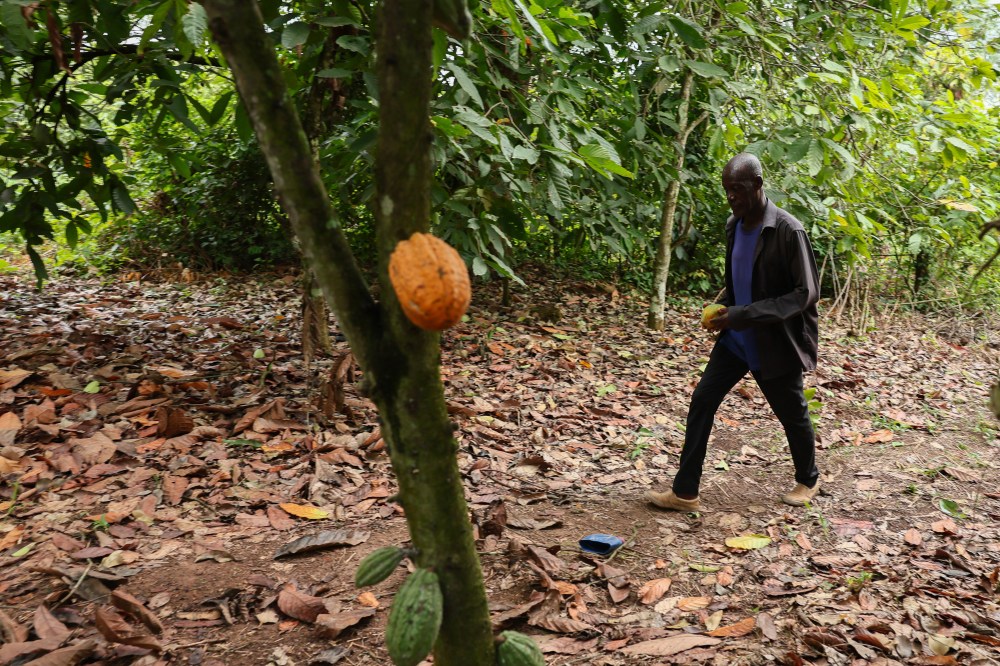
“If the law stands as it is now, it’s not fair,” said Moses Djan Asiedu, administrator of the Ghana Cooperative Cocoa Farmers and Marketing Association Limited and a cocoa farmer.
Many farmers invest their own money to acquire land, clear it and maintain cocoa farms for years before earning any income, yet receive little government support, said Asiedu.
“If cocoa is a national asset, then the farmer should also be supported to cover some of the cost of production,” he said.
The toughest penalties target illegal gold mining, with a prison sentence of between 10 and 20 years, and a heavy fine for each affected cocoa tree.
Hundreds of thousands of farmers in West Africa rely on cocoa farming for a living. In neighboring Ivory Coast, cocoa bean exports make up 40% of the total export revenue. In Ghana, they make up nearly 15%.

Government regulators set a fixed price for the cocoa bean at the beginning of every planting season, and the majority of the beans are sold through government-licensed parties to protect farmers from price fluctuations on the international market.
However, after a surge in cocoa futures in 2024 on international markets, the futures — a contract to buy a commodity at an agreed-upon price on a future date — reached more than $12,000 per metric ton, the highest in decades. Then it crashed to around $4,000 as supply outstripped demand.