

Two fisheries officers injured when vessel collides with humpback whale in B.C.
Advertisement
Read this article for free:
or
Already have an account? Log in here »
To continue reading, please subscribe:

Digital Subscription
One year of digital access for only $205*
- Enjoy unlimited reading on winnipegfreepress.com
- Read the E-Edition, our digital replica newspaper
- Access News Break, our award-winning app
- Play interactive puzzles
*First annual payment billed as $205.00 + GST for one year. This annual subscription will automatically renew at $233.00 + GST every 52 weeks (10% off the regular annual price of $259.35). Offer available to new and qualified returning subscribers only. Cancel any time.
To continue reading, please subscribe:
Add Free Press access to your Brandon Sun subscription for only an additional
$1 for the first 4 weeks*
- Enjoy unlimited reading on winnipegfreepress.com
- Read the E-Edition, our digital replica newspaper
- Access News Break, our award-winning app
- Play interactive puzzles
*Your next Brandon Sun subscription payment will increase by $1.00 and you will be charged $17.95 plus GST for four weeks. After four weeks, your payment will increase to $24.95 plus GST every four weeks.
Read unlimited articles for free today:
or
Already have an account? Log in here »
CALVERT ISLAND, BRITISH COLUMBIA – Two Fisheries Department officers have been injured when the boat they were in crashed into a humpback whale on British Columbia’s central coast.
A statement from the department says the crash occurred Sunday when the agency’s vessel collided with a humpback whale near Calvert Island, about 100 kilometres north of Port Hardy on Vancouver Island.
The department says the whale involved in the collision hasn’t been identified, and it’s working with the B.C. Marine Mammal Response Network to locate the animal and document any injuries.
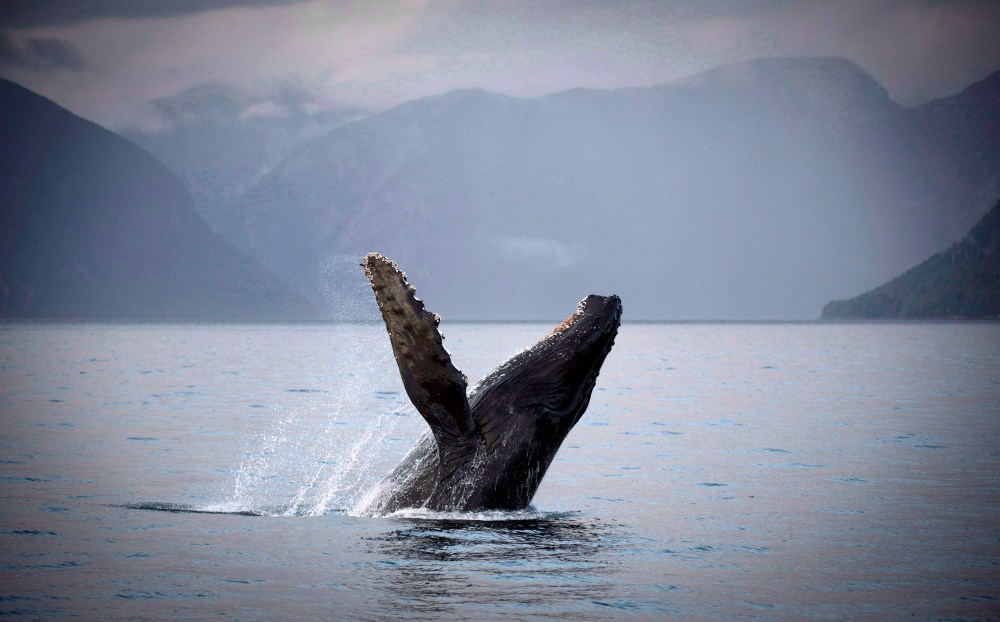
The collision left two officers injured, but the statement says it can’t give further details for privacy reasons.
Humpback whales are making a comeback in B.C.’s coastal waters, with marine biologists pointing to a rich food supply and past conservation efforts, turning the Salish Sea into prime ground for whale-spotting.

The statement says it encourages people to report possible instances of whales being disturbed, whale collisions, or whale entanglements.
This report by The Canadian Press was first published Aug. 12, 2026.