

Japan’s central bank raises benchmark interest rate to 1.25%, the highest in 31 years
Advertisement
Read this article for free:
or
Already have an account? Log in here »
To continue reading, please subscribe:

Digital Subscription
One year of digital access for only $205*
- Enjoy unlimited reading on winnipegfreepress.com
- Read the E-Edition, our digital replica newspaper
- Access News Break, our award-winning app
- Play interactive puzzles
*First annual payment billed as $205.00 + GST for one year. This annual subscription will automatically renew at $233.00 + GST every 52 weeks (10% off the regular annual price of $259.35). Offer available to new and qualified returning subscribers only. Cancel any time.
To continue reading, please subscribe:
Add Free Press access to your Brandon Sun subscription for only an additional
$1 for the first 4 weeks*
- Enjoy unlimited reading on winnipegfreepress.com
- Read the E-Edition, our digital replica newspaper
- Access News Break, our award-winning app
- Play interactive puzzles
*Your next Brandon Sun subscription payment will increase by $1.00 and you will be charged $17.95 plus GST for four weeks. After four weeks, your payment will increase to $24.95 plus GST every four weeks.
Read unlimited articles for free today:
or
Already have an account? Log in here »
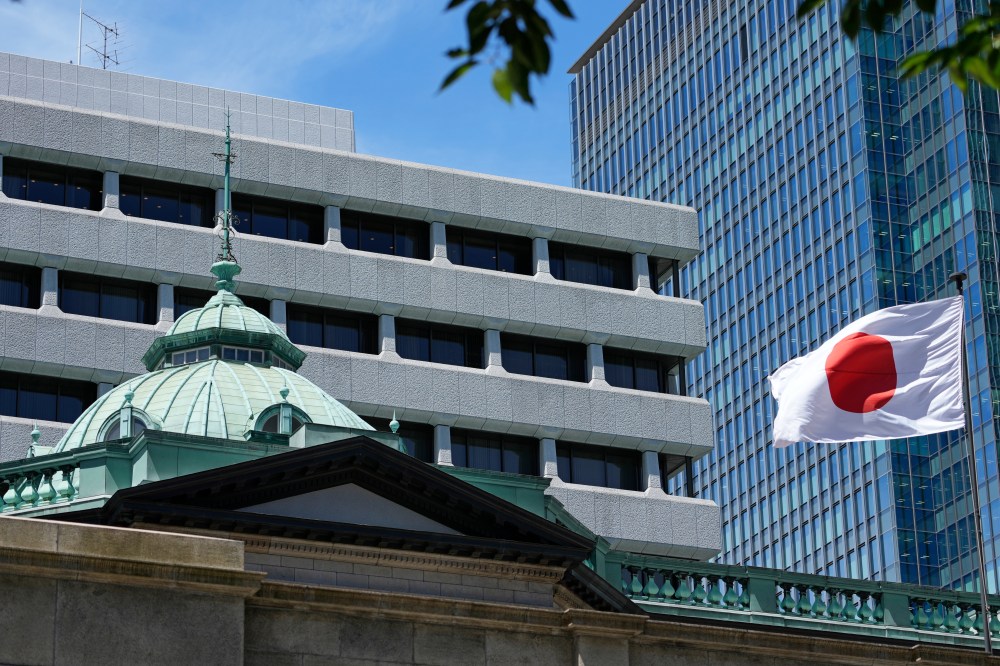
TOKYO (AP) — Japan’s central bank on Friday raised the benchmark interest rate to 1.25% from 1.0%, a 31-year-high.
The Bank of Japan has been trying to normalize monetary policy after decades of keeping interest rates near or below zero to try to encourage more borrowing and spending to counter deflation and pull Japan’s economy out of the doldrums.
The rate increase in the uncollateralized overnight call rate, a short-term rate, was expected at the end of the two-day monetary policy board meeting and has widely figured into recent global markets.
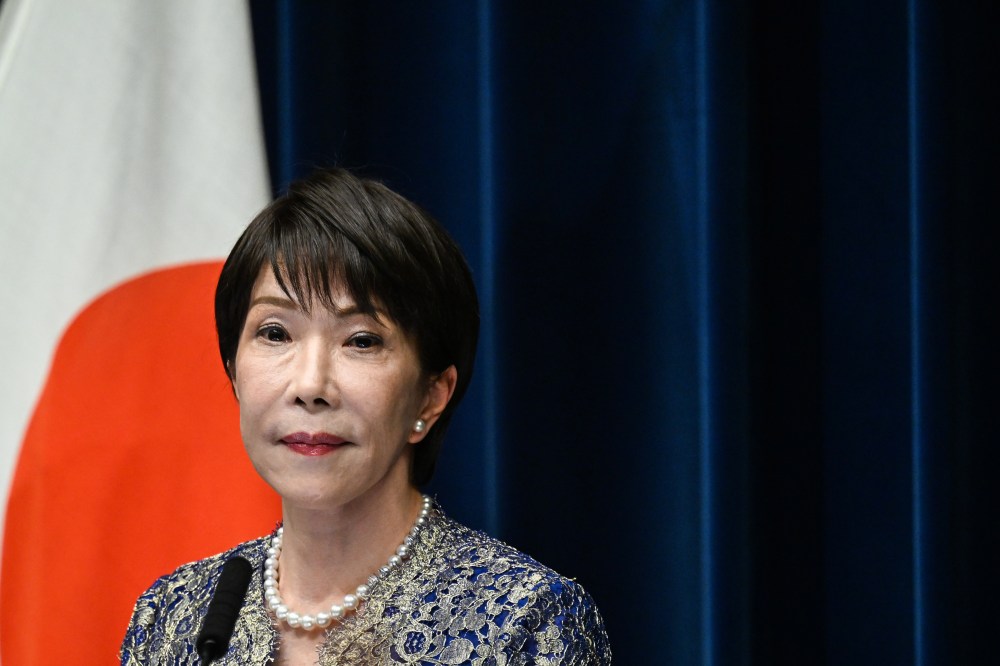
Bank of Japan Gov. Kazuo Ueda said the decision was reached after looking at various risks like the war in Iran, the expanding market demand for artificial intelligence and currency fluctuations.
“The Japanese economy is continuing to recover gradually,” he told reporters, while noting inflation was close to the targeted 2%.
Analysts have said another increase was possible later this year or early next year. When asked about further hikes, Ueda stressed more time is needed to see if price increases stay stable, along with needing to monitor wage growth and other risk factors.
Two of the nine-member board dissented, expressing concerns about the strength of Japan’s economic growth, according to Ueda.
The U.S. Federal Reserve also raised its key rate this week. The U.S. increase Wednesday, the first since 2023, was made in an effort to quell stubbornly high inflation.
The U.S. has also been pressuring Japan to raise rates because of concerns about the weakening yen.
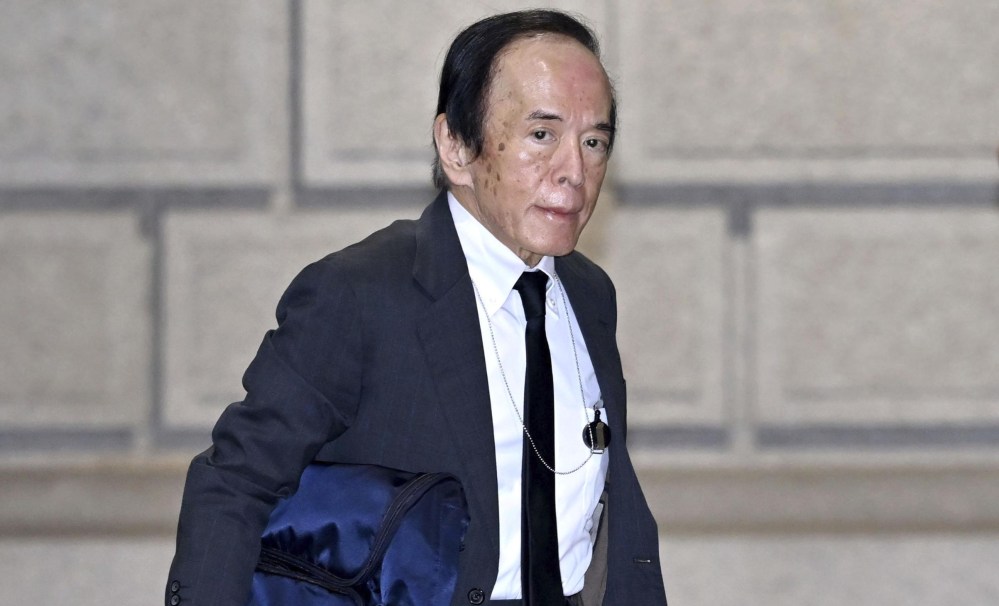
The nations intervened together recently to prop up the yen. Despite the Bank of Japan’s move, the U.S. dollar grew stronger, momentarily reaching above 157 yen. It reached above 160 yen earlier this year.
The Bank of Japan has set a target inflation rate of about 2%. Inflation is about that now in Japan, although some consumers complain that the recent surge in prices is too much, especially in gas and oil-related products.
“With crude oil prices remaining elevated, the Bank of Japan is expected to implement an additional rate hike sooner rather than later to limit the risk that consumer inflation exceeds the underlying inflation rate,” said Harumi Taguchi, an economist at S&P Global Market Intelligence.

Higher rates may also weigh on the economy because of heavier borrowing costs for small and medium-sized enterprises, as well as higher mortgages, she added.
Analysts are also worried about the aggressive public spending promised by the government of Prime Minister Sanae Takaichi, such as tax cuts and aggressive defense investments, when public debt is already ballooning.
Tokyo’s benchmark Nikkei 225 rose after the Bank of Japan decision was announced, edging up 1.4%.
___
Yuri Kageyama is on Threads: https://www.threads.com/@yurikageyama