

Personal finance pros reveal one thing they wish they knew when they were younger
Advertisement
Read this article for free:
or
Already have an account? Log in here »
To continue reading, please subscribe:

Digital Subscription
One year of digital access for only $205*
- Enjoy unlimited reading on winnipegfreepress.com
- Read the E-Edition, our digital replica newspaper
- Access News Break, our award-winning app
- Play interactive puzzles
*First annual payment billed as $205.00 + GST for one year. This annual subscription will automatically renew at $233.00 + GST every 52 weeks (10% off the regular annual price of $259.35). Offer available to new and qualified returning subscribers only. Cancel any time.
To continue reading, please subscribe:
Add Free Press access to your Brandon Sun subscription for only an additional
$1 for the first 4 weeks*
- Enjoy unlimited reading on winnipegfreepress.com
- Read the E-Edition, our digital replica newspaper
- Access News Break, our award-winning app
- Play interactive puzzles
*Your next Brandon Sun subscription payment will increase by $1.00 and you will be charged $17.95 plus GST for four weeks. After four weeks, your payment will increase to $24.95 plus GST every four weeks.
Read unlimited articles for free today:
or
Already have an account? Log in here »
Kelley Keehn recalls a financial mistake she made in her 20s, when she bought a Mercedes sports car that was out of her budget.
“I was doing well financially, but not well enough to try to keep up with my wealthy clients. And quite frankly, I had no idea what I was doing,” said Keehn, the CEO of Money Wise Institute.
She said things might have been different if she had a financial mentor in her life at the time, who would have encouraged her to examine why she was making some of the decisions she did.
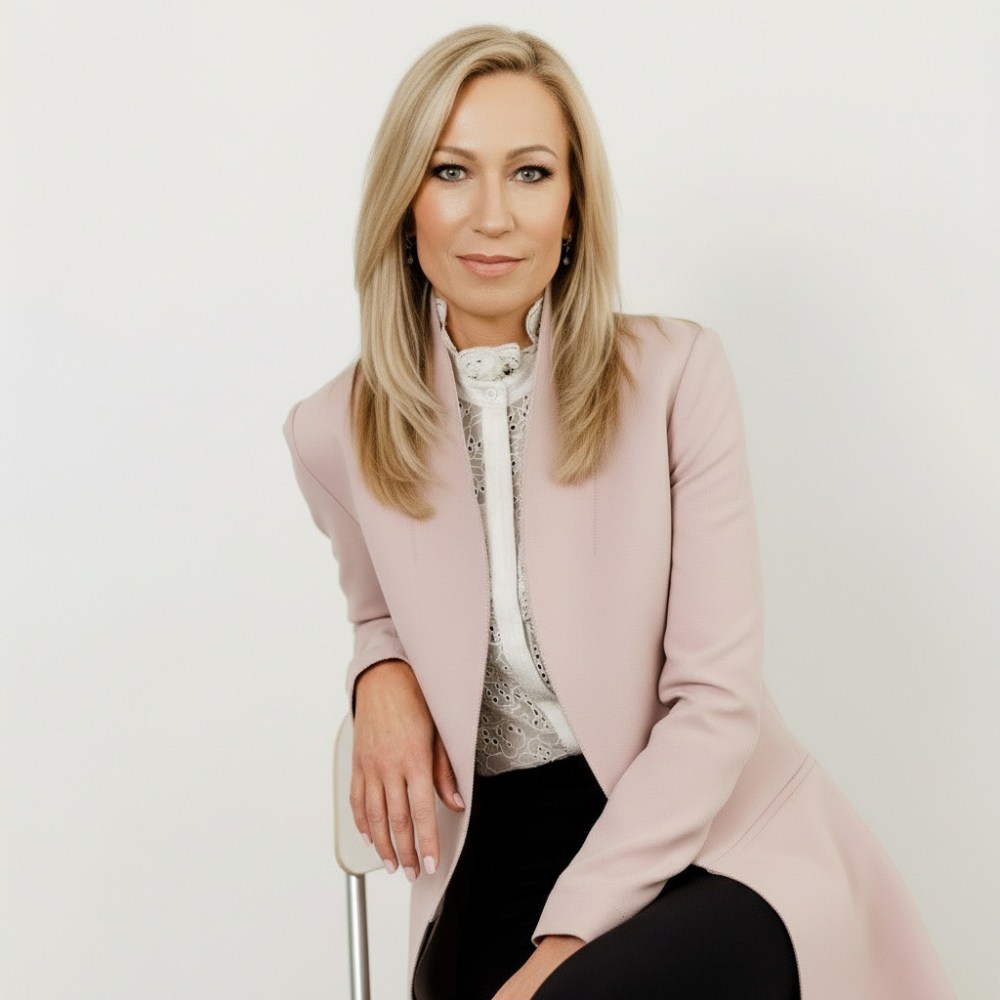
“I would have saved myself so much grief, so many bad investments, so many bad spending decisions,” Keehn said.
Occasional financial missteps, or even big mistakes, are common for many people as they grow and learn the ins and outs of money — including financial experts.
Keehn said that if she could go back, she would tell herself that beliefs about money are frequently inherited. Learning to question those beliefs can help people decide which ones to keep and what to let go of as they mature.
Figuring that out, she said, can pay dividends to anyone trying to sort out their finances.
Growing up, she was raised by a single mother working as a waitress to support three kids.
She said the experience left her never wanting to negotiate financial matters as a younger adult, assuming that only “poor people negotiated.” Later in life, while working at a bank, Keehn realized that even her wealthy clients were frequently negotiating to get better terms and advocate for themselves.
“It really took me decades to feel comfortable to ask and negotiate and I still have to flex those muscles,” she said.
While she saw her mother struggle, she also had wealthy uncles.
“I was juxtaposed growing up that my mom would cry and have all this stress about money because we didn’t have any. And then my uncles had this confidence and this swagger,” Keehn said.
Looking back, she said a lot of the mistakes she made in her 20s were because she desperately wanted to mimic her uncles’ flashy lifestyles, without necessarily having the financial means to do so.
Ingrid Kucera, a financial advisor at Assante Wealth Management Ltd., said she could have been better at finding a balance between saving for the future and enjoying life in the present moment.
She said many of her clients fall into one of two categories with their finances: spenders or savers. But said it’s important to find an appropriate middle ground, and she wished she knew that when she was younger.
“You want to enjoy your time now and later, and if you spend it all now then there’s nothing later. And if you save it all now then you have everything later, but you might look back and wish that you had done a couple more things when you had the time,” Kucera said.
As a rule-oriented person, she said she has had to learn to apply this advice to her own life.
For most people, she said, finding that balance could mean making sure they are saving 15 to 20 per cent of their annual income. Kucera said people should also figure out what their own goals are and make sure their financial plan is aligned.
“A lot of it does come from using a financial plan, putting in all their information and working with the numbers that we have because you’re able to project what things will look like in the future if they keep doing what they’re doing or if things change,” she said.
Nancy Grouni, a certified financial planner at Objective Financial Partners Inc., said she wishes she understood when she was younger that in most cases, wealth is built gradually over time.

She said she learned this lesson through working on people’s finances over the years and seeing their progress.
“In general, most people dramatically overestimate what they can accomplish in one year and underestimate what they can accomplish in 20 years,” she said.
Grouni said that most substantial wealth is built through “boring repetition,” with consistent saving, investing regularly, managing costs and taxes as well as avoiding major mistakes. She said it also involves staying invested throughout different market cycles.
“I found over time that some of the most successful investors are often not the smartest people in the room to be honest, they’re the people who develop a sound plan and stick with it long enough for compounding to work its magic,” Grouni said.
This report by The Canadian Press was first published Sept. 21, 2026.