

US stocks rise near their record after the latest jobs report eases worries about inflation
Advertisement
Read this article for free:
or
Already have an account? Log in here »
To continue reading, please subscribe:

Digital Subscription
One year of digital access for only $205*
- Enjoy unlimited reading on winnipegfreepress.com
- Read the E-Edition, our digital replica newspaper
- Access News Break, our award-winning app
- Play interactive puzzles
*First annual payment billed as $205.00 + GST for one year. This annual subscription will automatically renew at $233.00 + GST every 52 weeks (10% off the regular annual price of $259.35). Offer available to new and qualified returning subscribers only. Cancel any time.
To continue reading, please subscribe:
Add Free Press access to your Brandon Sun subscription for only an additional
$1 for the first 4 weeks*
- Enjoy unlimited reading on winnipegfreepress.com
- Read the E-Edition, our digital replica newspaper
- Access News Break, our award-winning app
- Play interactive puzzles
*Your next Brandon Sun subscription payment will increase by $1.00 and you will be charged $17.95 plus GST for four weeks. After four weeks, your payment will increase to $24.95 plus GST every four weeks.
Read unlimited articles for free today:
or
Already have an account? Log in here »
NEW YORK (AP) — U.S. stocks climbed near their all-time high on Friday after the latest update on the U.S. job market cooled worries that a potentially hot U.S economy could make inflation much worse.
The S&P 500 rose 0.7% and pulled within 1% of its record set in August. The Dow Jones Industrial Average added 250 points, or 0.5%, and the Nasdaq composite gained 1.2%.
All of Wall Street got a jolt after the U.S. government said employers across the country added 29,000 more jobs to their payrolls than they cut last month. That was fewer than economists expected and a slowdown from August’s net hiring rate of 133,000.
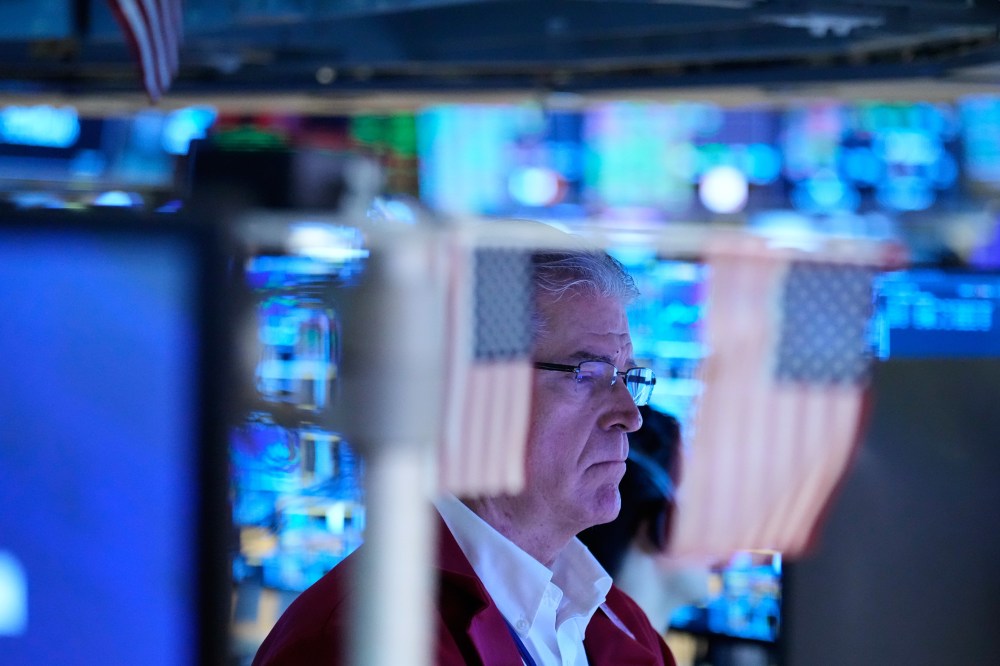
More importantly for financial markets, it tamped down concerns that the U.S. economy could be so strong that it could fuel inflation even higher. Inflation has remained much worse than anyone would like, and the Federal Reserve recently raised its main interest rate for the first time in three years to try to rein in the painful increases for the cost of living.
Even though Americans are feeling more frustrated about inflation and their finances, the overall U.S. economy has been chugging along. Earlier this week, the U.S. government said the economy’s growth in the spring was better than earlier thought, driven by businesses building AI data centers and spending by consumers.
Friday’s softer-than-expected data on the economy pushed traders to pare bets the Fed will hike its main interest rate at its next meeting later this month. They now see less than a 23% probability of that, down from 64% a week ago, according to data from CME Group.
“This report strengthens the case for the Federal Reserve to remain patient,” according to Adam Schickling, senior economist at Vanguard. “The labor market has not deteriorated sharply, but there is also little evidence that it has meaningfully strengthened, giving policymakers reason to wait for additional data.”
The pullback in expectations for an October rate hike helped calm what’s been a rattled bond market.
The yield on the 10-year Treasury briefly dropped all the way below 5.17%. That was down from its peak near 5.35% on Thursday, when it and other longer-term yields neared their highest levels in two decades.
An easing of yields can help the economy by making it more affordable for everyone to borrow money. Higher yields, meanwhile, tend to undercut prices for stocks and other investments.
But a solid U.S. economy is only one of the many drivers that have caused yields to jump in bond markets.
Oil prices yo-yoed in another shaky day, and the price of a barrel of Brent oil veered between $98 and $103 Friday. It ended up settling at $102.25, down 0.1%, for its latest zigzag amid uncertainty how the war with Iran will reshape the global oil industry.
As oil prices pared their losses through Friday, so did Treasury yields. The 10-year Treasury yield bounced back to 5.28%, more than 0.10 percentage points above its bottom for the day. That in turn helped U.S. stocks pare their own gains. The S&P 500 had been up as much as 1.2% at one point in the morning.
Concerns about big spending by governments, along with the mountains of debt they’re racking up, meanwhile continue to keep yields high worldwide. In France, for example, yields have been particularly shaky as the government contends with its record debt and strained budget.
On Wall Street, Tesla rallied 4.7% after the electric-vehicle company said it delivered 486,532 vehicles to customers during the latest quarter, more than analysts expected.
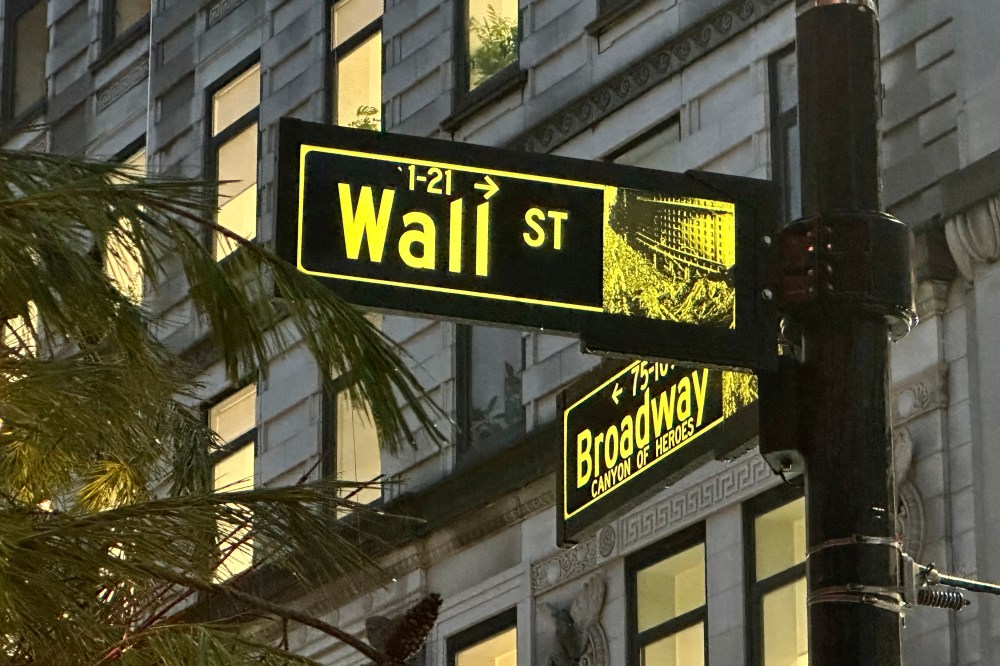
Lower yields in the bond market help investors justify paying higher prices for stocks, even those that get criticized for being too expensive. That helped companies in the artificial-intelligence industry add to their already stellar gains.
Nvidia’s 1.3% rise was the single strongest force lifting the S&P 500. Its status as the most valuable company in the U.S. market gives its stock’s movements more influence on the index than others.
Such gains more than made up for a 3.6% drop for Nike. The sneaker and athletic apparel company reported a stronger profit for the latest quarter than analysts expected, but its revenue weakened by more than feared. Nike also gave a forecast for profit this fiscal year that fell short of analysts’ expectations.

All told, the S&P 500 rose 56.27 points to 7,722.72. The Dow Jones Industrial Average added 250.40 to 51,176.96, and the Nasdaq composite jumped 319.27 to 27,190.86.
In stock markets abroad, indexes in Europe bounced back from losses taken a day earlier after bond yields swung sharply across the continent.
Asian indexes were mixed, with Hong Kong’s Hang Seng dropping 2.6% but South Korea’s Kospi adding 0.5%.
___
AP Business Writers Chan Ho-him and Michelle Chapman contributed to this report.