

Retailers face tougher search for space as construction drops to 10-year low: JLL
Advertisement
Read this article for free:
or
Already have an account? Log in here »
To continue reading, please subscribe:

Digital Subscription
One year of digital access for only $205*
- Enjoy unlimited reading on winnipegfreepress.com
- Read the E-Edition, our digital replica newspaper
- Access News Break, our award-winning app
- Play interactive puzzles
*First annual payment billed as $205.00 + GST for one year. This annual subscription will automatically renew at $233.00 + GST every 52 weeks (10% off the regular annual price of $259.35). Offer available to new and qualified returning subscribers only. Cancel any time.
To continue reading, please subscribe:
Add Free Press access to your Brandon Sun subscription for only an additional
$1 for the first 4 weeks*
- Enjoy unlimited reading on winnipegfreepress.com
- Read the E-Edition, our digital replica newspaper
- Access News Break, our award-winning app
- Play interactive puzzles
*Your next Brandon Sun subscription payment will increase by $1.00 and you will be charged $17.95 plus GST for four weeks. After four weeks, your payment will increase to $24.95 plus GST every four weeks.
Read unlimited articles for free today:
or
Already have an account? Log in here »
TORONTO – Store owners might be having a harder time finding rental properties as the amount of retail space under construction in major Canadian markets dropped to its lowest level in a decade.
Retail construction starts amounted to 1.5 million square feet in the first half of this year, commercial real estate firm JLL said in a new report.
That was down from 2.7 million square feet a year prior and 5.3 million square feet in the first half of 2016.
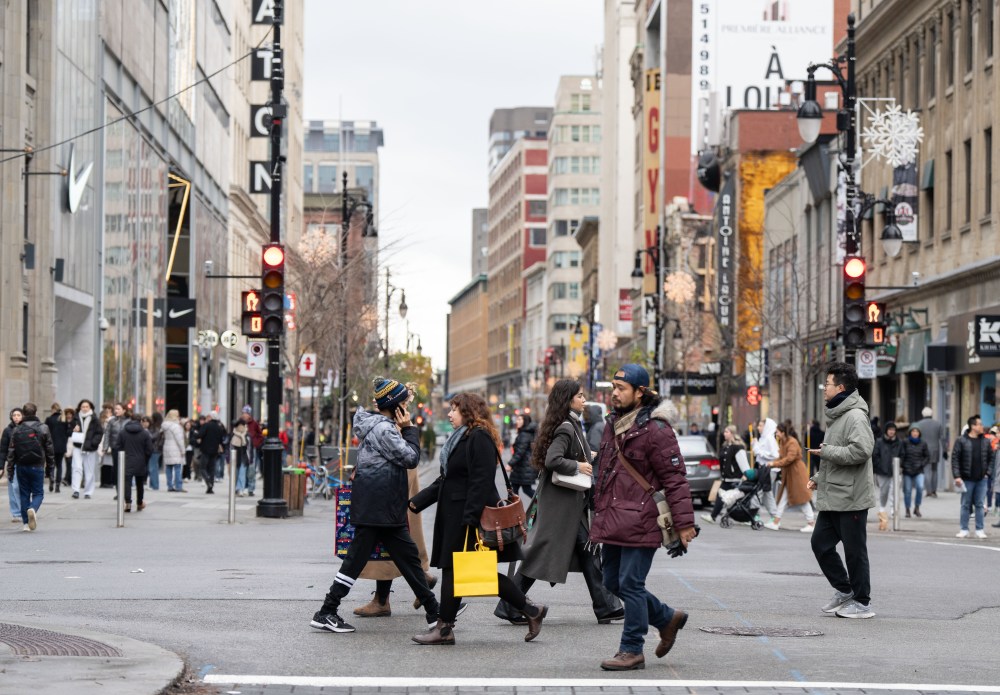
The previous low during the decade came in 2023, when retail construction starts totalled 1.9 million square feet.
JLL’s senior vice-president of retail Paul Ferreira attributed the drop in starts to rising building costs, the increasing redevelopment of existing retail space, particularly in malls, and the cancellation of some residential projects that would have had stores on the ground floor.
Ferreira said these factors have left some businesses with fewer rental options.
“Retailers that want to grow are finding it more challenging today to find space than they would have five or 10 years ago,” he said Friday. “It means that they have to adapt their formats to the kind of space that is becoming available.”
Adding to the challenge are low vacancy rates across most categories of retail space.
Leasing has also declined, the company said.
That’s because “first and foremost, there isn’t space to move into or some of the larger blocks of space that are available have more homework to be done,” Ferreira said.
“Supply is tough to deliver … so I think landlords who do have the supply are being much more careful in how they are merchandising the space they have and making their long-term decisions.”
Many of them have their eye on supermarkets, he said. On the heels of the COVID-19 pandemic, grocers are seen as more stable tenants because they didn’t have to temporarily close like other businesses when the economy shut down.
They also drive weekly visits from customers and because they sell essential items, are resilient in the face of inflation and other economic swings.
Plus, other tenants like pharmacies, banks and businesses providing personal services always like to be near a grocer, helping landlords with vacancies, Ferreira said.
JLL’s research found that 96 per cent of new properties built since 2022 in what it calls the “daily needs” category are being anchored by grocery tenants, up from 74 per cent between 2016 and 2021.
Grocers had the third highest number of new opening announcements in the first half of this year.

Supermarkets trailed dining establishments, which made up 33 per cent of the opening announcements, and apparel and accessories retailers, which sat at 26 per cent, in JLL’s analysis.
Ferreira suspects restaurants are dominating openings because there’s still an appetite to dine out after the COVID-19 pandemic and because people are being lured in by new concepts and brands that have moved into major Canadian markets.
“We’ve seen a lot of growth in quick-service restaurants and fast casual restaurants … but I don’t know how sustainable continued growth in those sectors are,” he said.
“As the consumer gets challenged for how much they can eat out of home, I think we’ll start to see the market respond to that.”
This report by The Canadian Press was first published Oct. 2, 2026.