

Iraq devalues its currency as US-Iran war disrupts oil shipping routes
Advertisement
Read this article for free:
or
Already have an account? Log in here »
To continue reading, please subscribe:

Digital Subscription
One year of digital access for only $205*
- Enjoy unlimited reading on winnipegfreepress.com
- Read the E-Edition, our digital replica newspaper
- Access News Break, our award-winning app
- Play interactive puzzles
*First annual payment billed as $205.00 + GST for one year. This annual subscription will automatically renew at $233.00 + GST every 52 weeks (10% off the regular annual price of $259.35). Offer available to new and qualified returning subscribers only. Cancel any time.
To continue reading, please subscribe:
Add Free Press access to your Brandon Sun subscription for only an additional
$1 for the first 4 weeks*
- Enjoy unlimited reading on winnipegfreepress.com
- Read the E-Edition, our digital replica newspaper
- Access News Break, our award-winning app
- Play interactive puzzles
*Your next Brandon Sun subscription payment will increase by $1.00 and you will be charged $17.95 plus GST for four weeks. After four weeks, your payment will increase to $24.95 plus GST every four weeks.
Read unlimited articles for free today:
or
Already have an account? Log in here »
BAGHDAD (AP) — Iraq devalued its currency Wednesday, changing the official exchange rate from around 1,300 Iraqi dinars to the dollar to 1,500 dinars to the dollar.
The country’s central bank said in a statement that the new exchange rate had been decided at a meeting of Iraq’s Cabinet the night before “to meet the relevant financial, economic and monetary requirements.”
The previous exchange rate was set in 2023. In practice, there has always been a gap between the official rate and the market rate used by exchange shops.
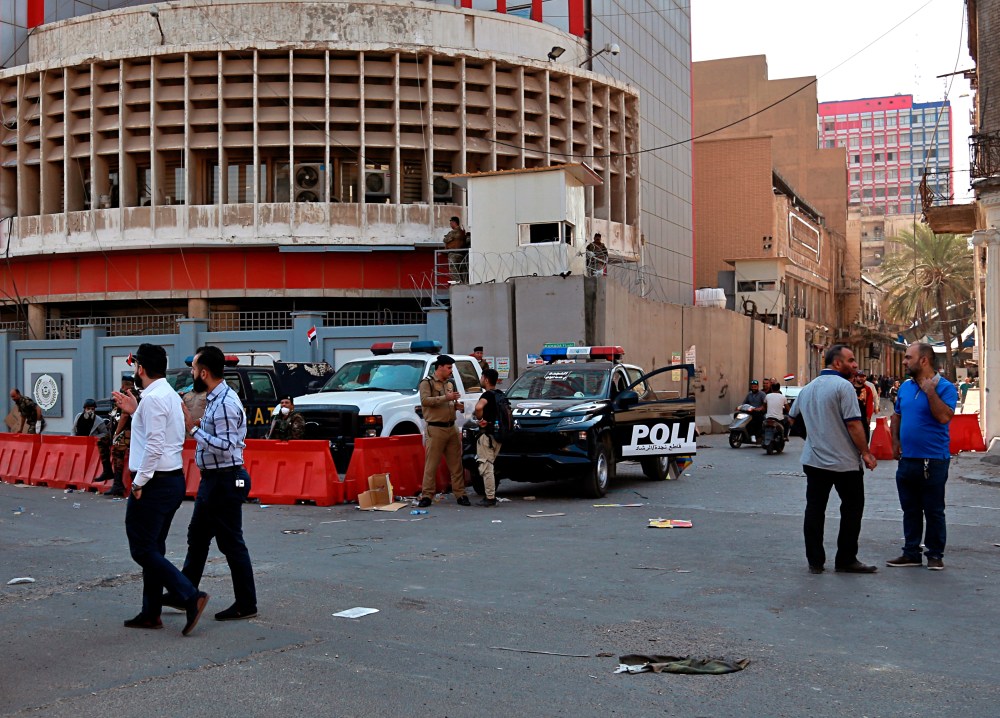
That gap had widened in recent months as a result of the U.S. war with Iran — which has sometimes spilled over into Iraq — and disruptions to shipping in the Strait of Hormuz.
Iraq’s economy relies heavily on oil exports, most of which were shipped via the strait before the war. Since the war started, Iraq has resorted to shipping oil overland through Syria for export, but the route is more expensive and less efficient.
The devaluation of the dinar means that each dollar earned from oil exports brings in more dinars, helping the Iraqi government cover domestic spending. But it also makes imports more expensive, which potentially drives up prices for consumers.
Iraqi traders said they risked losing money as a result of the devaluation, while consumers are worried that prices will increase.

Ali al-Bahadili, a businessman in Baghdad who sells clothes imported from China, said he will lose out as a result of the exchange rate change.
“People owe us in Iraqi dinars, and we owe people in China in dollars,” he said.
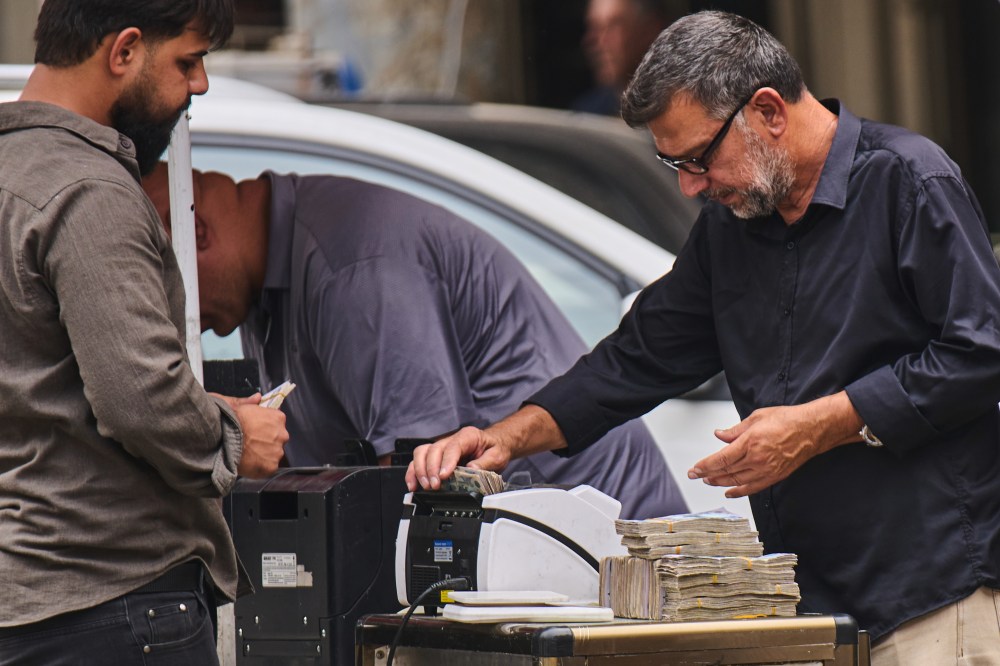
The unofficial rate had risen to more than 1,600 dinars to the dollar before the official devaluation was announced. After the announcement of the new official exchange rate, the market rate jumped to more than 1,700 dinars to the dollar.
In the city of Irbil in northern Iraq, many exchange shops were shuttered after the change was announced.
At the new official rate, Iraq’s Finance Ministry will sell dollars at 1,500 dinars for $1, while consumers purchasing from banks will pay 1,520 dinars for a dollar.