

Regulator publishes guidance on extended trading as it comes to Canada
Advertisement
Read this article for free:
or
Already have an account? Log in here »
To continue reading, please subscribe:

Digital Subscription
One year of digital access for only $205*
- Enjoy unlimited reading on winnipegfreepress.com
- Read the E-Edition, our digital replica newspaper
- Access News Break, our award-winning app
- Play interactive puzzles
*First annual payment billed as $205.00 + GST for one year. This annual subscription will automatically renew at $233.00 + GST every 52 weeks (10% off the regular annual price of $259.35). Offer available to new and qualified returning subscribers only. Cancel any time.
To continue reading, please subscribe:
Add Free Press access to your Brandon Sun subscription for only an additional
$1 for the first 4 weeks*
- Enjoy unlimited reading on winnipegfreepress.com
- Read the E-Edition, our digital replica newspaper
- Access News Break, our award-winning app
- Play interactive puzzles
*Your next Brandon Sun subscription payment will increase by $1.00 and you will be charged $17.95 plus GST for four weeks. After four weeks, your payment will increase to $24.95 plus GST every four weeks.
Read unlimited articles for free today:
or
Already have an account? Log in here »
TORONTO – The Canadian Investment Regulatory Organization says extended trading hours can offer more flexibility by allowing investors to react to new developments outside of regular hours, but it also comes with risks.
CIRO made the comments in new guidance on the risks and benefits of extended trading as a new alternative trading platform brings after-hours access to investors.
Stock markets typically hold trading hours between 9:30 a.m. and 4 p.m. ET. After-hours trading broadens the times when investors are permitted to buy and sell securities.
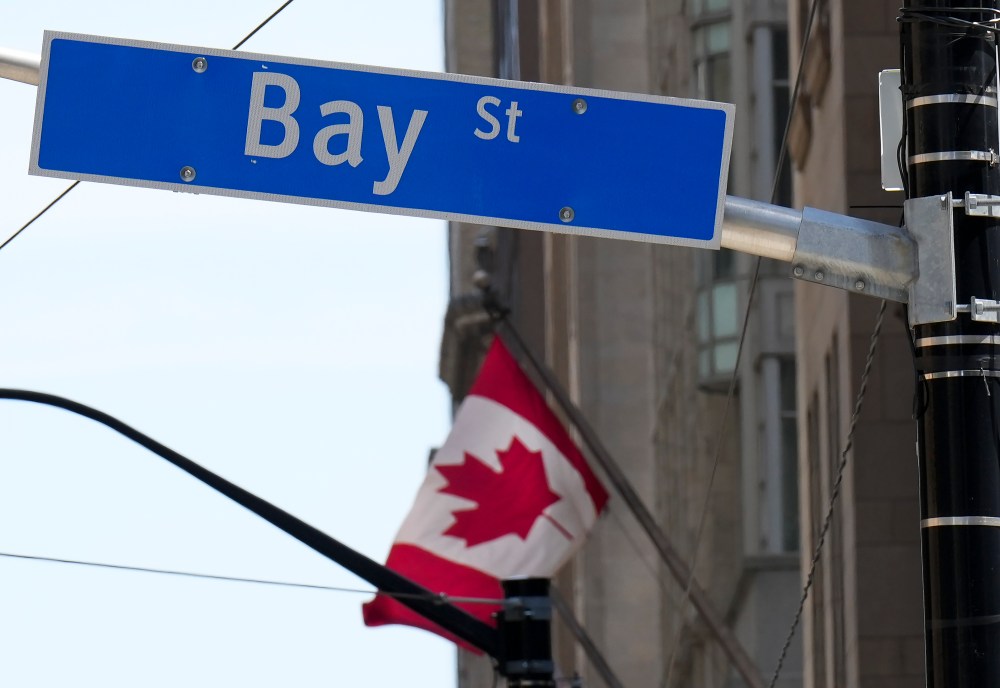
“It gives additional choice and flexibility to retail investors, but I think the retail investor really needs to just understand and make conscious decisions of whether this is right for them,” Kevin McCoy, senior vice-president of market regulation at CIRO, said in an interview.
“For a certain segment of investors, this is going to probably be perceived as something that’s really good, but it’s not a one-size-fits-all where every investor is going to benefit from it.”
In publishing the guidance, McCoy said CIRO is aiming to ensure transparency regarding the risks when trading outside typical hours, which could lead to “better decision making” among investors as to whether after-hours trading is appropriate for them.
“Dealer members should consider whether additional controls, disclosures, policies and procedures are appropriate when providing clients with access to extended hours trading,” the guidance reads.
CIRO said extended hours could involve lower trading volumes, greater price volatility and increased reactions to events like earnings, economic reports or other news. It also said trade prices could differ significantly from those during regular trading.
“There’s less trading, there’s less volume. That may result in the prices at which somebody is willing to buy, or the price at which somebody is willing to sell; the difference between those two prices may be significantly greater than you may see in the regular trading session,” McCoy said.

CIRO said investors should keep in mind that extended hours are not available through all investment dealers.
McCoy said the U.S. is furthest along on extended trading. The Nasdaq Stock Market is preparing to implement trading 23 hours a day, five days a week, in early December.
Meanwhile, CIX Trading Inc. is a new marketplace that recently launched in Canada with extended trading hours. CIX Trading currently offers market hours between 8 a.m. and 5 p.m. ET and plans to expand those hours to between 7 a.m. and 8 p.m. ET in the fourth quarter.
CIRO also reminded dealers that they are “equally obliged” to abide by all of the requirements and securities legislation as normal trading hours.
This report by The Canadian Press was first published Oct. 8, 2026.