

Burnham says Russian meddling in Europe shows need for closer UK-EU ties as he seeks a Brexit reset
Advertisement
Read this article for free:
or
Already have an account? Log in here »
To continue reading, please subscribe:

Digital Subscription
One year of digital access for only $205*
- Enjoy unlimited reading on winnipegfreepress.com
- Read the E-Edition, our digital replica newspaper
- Access News Break, our award-winning app
- Play interactive puzzles
*First annual payment billed as $205.00 + GST for one year. This annual subscription will automatically renew at $233.00 + GST every 52 weeks (10% off the regular annual price of $259.35). Offer available to new and qualified returning subscribers only. Cancel any time.
To continue reading, please subscribe:
Add Free Press access to your Brandon Sun subscription for only an additional
$1 for the first 4 weeks*
- Enjoy unlimited reading on winnipegfreepress.com
- Read the E-Edition, our digital replica newspaper
- Access News Break, our award-winning app
- Play interactive puzzles
*Your next Brandon Sun subscription payment will increase by $1.00 and you will be charged $17.95 plus GST for four weeks. After four weeks, your payment will increase to $24.95 plus GST every four weeks.
Read unlimited articles for free today:
or
Already have an account? Log in here »
LONDON (AP) — Russia’s attempts to meddle in European politics show why Britain must forge a closer relationship with the European Union, Prime Minister Andy Burnham said Monday, arguing that “the status quo is not good enough.”
Burnham said Moscow’s “campaign of hybrid attacks” and efforts by Russia to destabilize democracies and interfere in votes, including Britain’s 2016 EU membership referendum, highlight the importance of strengthening the U.K.’s ties with its neighbors, years after they were weakened by Brexit.
He told lawmakers in the House of Commons that it would be “a dereliction of duty” not to seek stronger ties with the 27-nation bloc that the U.K. left in 2020.
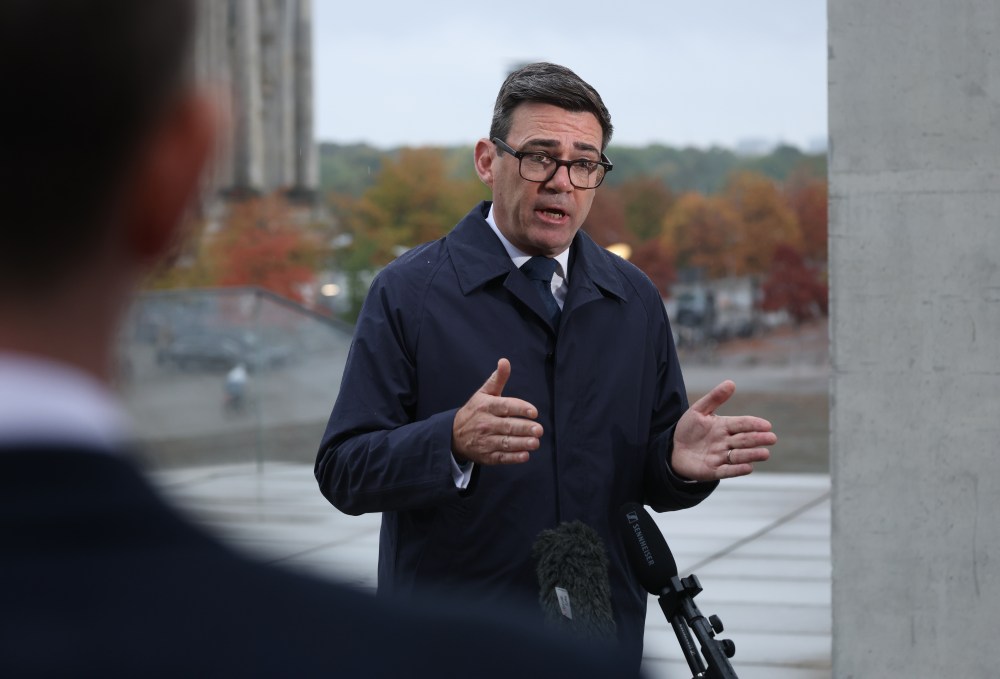
The statement comes after Burnham told the Labour Party’s annual conference last month that “Brexit has done more harm than good” and that the bare-bones trade deal Britain has with the EU is holding the country back. He said he will seek political consensus on a new relationship, with future options including rejoining the bloc.
The U.K. and the EU announced Monday that they will hold a summit in Brussels on Nov. 20 as a step toward strengthening ties. Burnham said the two sides will discuss a trade deal for food and drink, agreements on energy and emissions trading, “a new youth experience scheme and deeper co-operation on immigration.”
He said that after the summit, Britain should have “a serious dialogue about the different options for our relationship in the long-term.”
“If we are serious about promoting growth, controlling immigration, upholding our values and security, it is a conversation we must have,” he said.
Burnham’s approach marks a departure after years in which both Conservative and Labour governments have avoided reopening the painful Brexit debate. Burnham remains bound by the pledge of his Labour predecessor, Keir Starmer, not to rejoin the bloc’s frictionless single market or its customs union.
But that could change in campaigning for the next national election, which must be held by 2029.
The EU has welcomed Britain’s warmer tone, but its leaders are wary of U.K. attempts to secure some of the benefits reserved for members only. The Brussels summit was initially due to be held in July, but was delayed by wrangling over the bloc’s “made in Europe” rules, which Britain says will hurt its producers.
Burnham says Russia sought to influence Brexit
U.K. lawmakers and intelligence agencies have warned about the increasing threat of Russian interference in Britain’s democratic institutions, and Burnham on Sunday said Moscow had tried to influence the Brexit vote.

Interviewed on “The Rest is Politics” podcast, he said that when he became prime minister in July he asked his advisers whether Russia had interfered with the 2016 referendum, and was told the answer was yes.
The government later clarified that Moscow’s attempts to interfere were unsuccessful. Burnham’s spokesman, Tom Wells, said the government considers the result of the 2016 referendum to be legitimate.
Pressed by Conservative Party leader Kemi Badenoch on what evidence he had that Russia had tried to influence the referendum, Burnham told lawmakers that “it is a matter of record that Russian actors sought to interfere” in the U.K.’s 2019 election, and “it is inconceivable that this was the first time.”
Russia has long said it does not meddle in other countries’ elections or referendums. Reform UK party leader Nigel Farage, one of the leading backers of Brexit, said Burnham’s claim was “outrageous.”
“There was no Russian interference, and the Russia hoax has run all the way through this,” he said at a news conference on Monday.