

Lingonberries prized but difficult to grow
Advertisement
Read this article for free:
or
Already have an account? Log in here »
To continue reading, please subscribe:
Monthly Digital Subscription
$1 per week for 24 weeks*
- Enjoy unlimited reading on winnipegfreepress.com
- Read the E-Edition, our digital replica newspaper
- Access News Break, our award-winning app
- Play interactive puzzles
*Billed as $4.00 plus GST every four weeks. After 24 weeks, price increases to the regular rate of $19.95 plus GST every four weeks. Offer available to new and qualified returning subscribers only. Cancel any time.
Monthly Digital Subscription
$4.99/week*
- Enjoy unlimited reading on winnipegfreepress.com
- Read the E-Edition, our digital replica newspaper
- Access News Break, our award-winning app
- Play interactive puzzles
*Billed as $19.95 plus GST every four weeks. Cancel any time.
To continue reading, please subscribe:
Add Free Press access to your Brandon Sun subscription for only an additional
$1 for the first 4 weeks*
*Your next subscription payment will increase by $1.00 and you will be charged $16.99 plus GST for four weeks. After four weeks, your payment will increase to $23.99 plus GST every four weeks.
Read unlimited articles for free today:
or
Already have an account? Log in here »
Hey there, time traveller!
This article was published 10/06/2017 (3220 days ago), so information in it may no longer be current.
It’s been more than two years since the Manitoba-grown lingonberry showed it was at the top of the berry world.
Already dubbed a “super-fruit,” the Manitoba variety has a higher level of antioxidants than those grown in other locations, according to studies. Antioxidants fight off harmful molecules and may help prevent cancer, Alzheimer’s disease and arthritis. The berries are also rich in vitamins and minerals and have little sugar.
Now, Winnipeg researcher Chris Siow and his colleagues at the Canadian Centre for Agri-Food Research in Health and Medicine have found the berry may contribute to kidney health, as well.
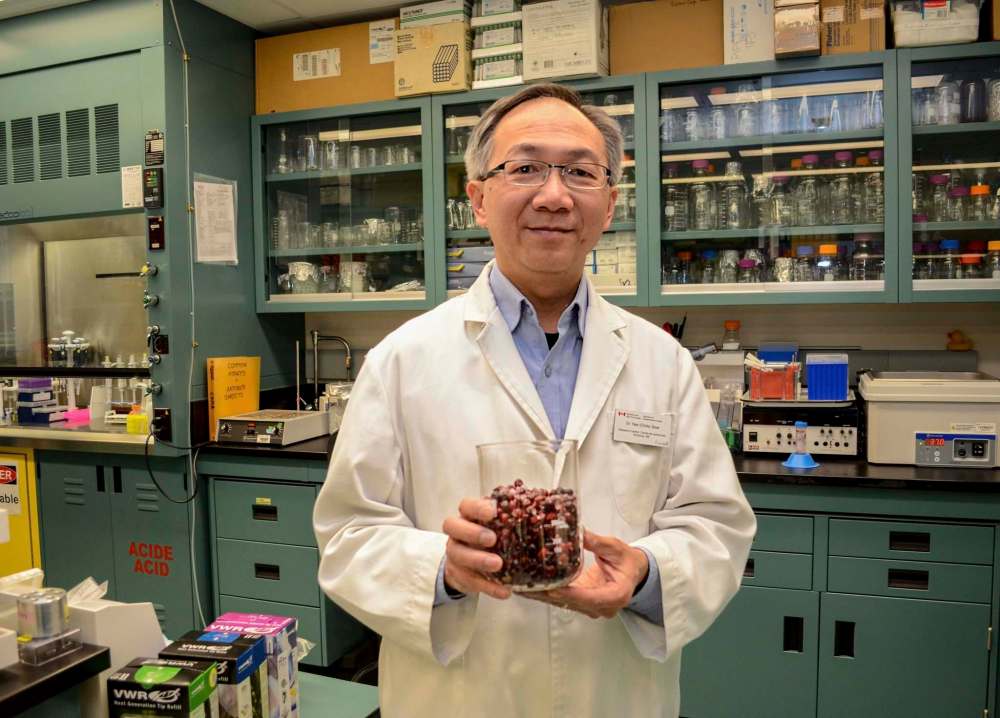
“Overall, the research data obtained from these studies is very promising,” Siow said.
Yet nowhere in the province is the fruit grown commercially. The berry’s health powers are confined to communities in the north.
Del Hildebrandt, a lingonberry harvester in Lynn Lake, said people there have been using the fruit for kidney health as long as she can remember. (She has lived in Lynn Lake for 63 years.)
Now that science is backing up what harvesters in Lynn Lake have long known, the demand for lingonberries has grown. United States-based companies, including Walmart, have called Siow and asked him where they can find commercial suppliers.
It appears a marketer’s dream: high demand, little supply. The supply is low for a reason, however. Lingonberries thrive in the cold northern climate, but rock and bush cover the land, leaving no fields for growers to seed.
Harvesters of the wild plant have tried introducing them into their gardens with little luck.
“Some grew, but more of the ones that accidentally got there,” said Sigrid Fast, a Lynn Lake berry picker.
Some locals are convinced the berry can be grown only in the wild.
“You can’t grow them to sell them. You can pick them to sell them, but they grow where they want to grow,” Hildebrandt said.
They also produce when they want to produce. Some years, there will be more plump red orbs than the locals can possibly pick; other years, there are next to none.
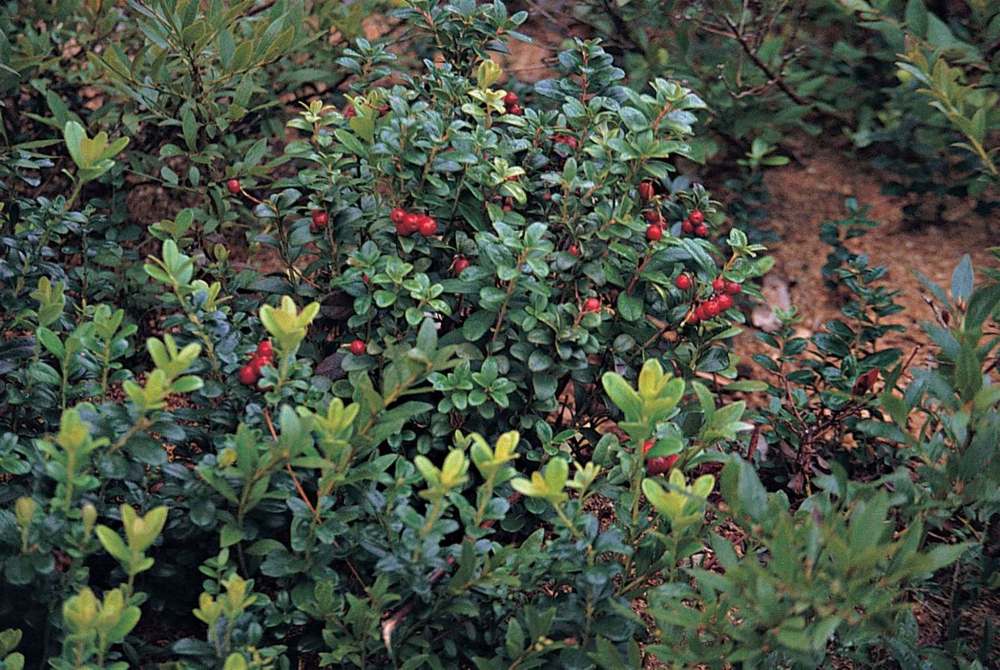
“They’re very fussy,” Fast said.
Fussy, but a mainstay in the locals’ diets. They use them in muffins, jams, pastries and juice. The tart, juicy berries freeze and transport well, and the benzolic acid helps them to keep without going bad longer than some other fruit.

Newfoundland and Labrador has been able to produce its version of the lingonberry plant, which has been sold commercially.
Manitoba needs more research on its own growing conditions and plants, Siow said. But first, he’s working to definitively prove the berry’s link to kidney health.
If proven, the berry’s juice can replace medications people take for acute kidney injury and it wouldn’t cause as many side effects, Siow said.
Siow also foresees the juice offering protection to those who suffer from chronic kidney disease due to diabetes and those undergoing major surgeries.
stefanie.lasuik@freepress.mb.ca