Variable vs. fixed rates a worry
Big decision for many
Advertisement
Read this article for free:
or
Already have an account? Log in here »
To continue reading, please subscribe:
Monthly Digital Subscription
$1 per week for 24 weeks*
- Enjoy unlimited reading on winnipegfreepress.com
- Read the E-Edition, our digital replica newspaper
- Access News Break, our award-winning app
- Play interactive puzzles
*Billed as $4.00 plus GST every four weeks. After 24 weeks, price increases to the regular rate of $19.95 plus GST every four weeks. Offer available to new and qualified returning subscribers only. Cancel any time.
Monthly Digital Subscription
$4.99/week*
- Enjoy unlimited reading on winnipegfreepress.com
- Read the E-Edition, our digital replica newspaper
- Access News Break, our award-winning app
- Play interactive puzzles
*Billed as $19.95 plus GST every four weeks. Cancel any time.
To continue reading, please subscribe:
Add Free Press access to your Brandon Sun subscription for only an additional
$1 for the first 4 weeks*
*Your next subscription payment will increase by $1.00 and you will be charged $16.99 plus GST for four weeks. After four weeks, your payment will increase to $23.99 plus GST every four weeks.
Read unlimited articles for free today:
or
Already have an account? Log in here »
Hey there, time traveller!
This article was published 31/03/2010 (5870 days ago), so information in it may no longer be current.
There are certain things that keep Karen Blomquist up at night. Nervous customers with variable-rate mortgages are among them.
A broker with Mortgage Intelligence in Calgary, Blomquist says choosing between a fixed- versus a variable-rate mortgage has a lot to do with a person’s mindset. "I get nervous clients who went variable and than call or send emails every week. If you can handle a bit of risk, it’s great. But if you can’t, you should lock into a fixed rate, even if it is a bit higher."
For a family with a new baby, security and stability definitely come first, says Julie McCarthy. She and her husband, Kevin, opted to cash in on favourable interest rates last summer and upgrade to a bigger home in Toronto.
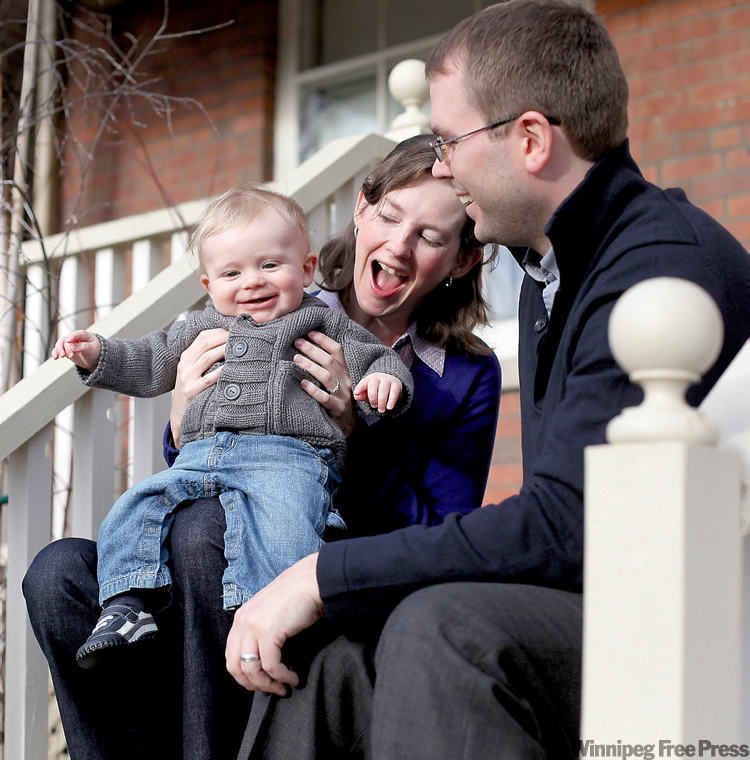
After a great deal of discussion — and visits to different lenders — they decided to lock into a five-year fixed-rate term at 3.8 per cent.
"The rates were so low but it looked like they would slowly start creeping up," she explains.
"With having a baby, we decided locking in our mortgage rate would be one less cash flow issue to worry about for five years."
A single professional starting out with promising career prospects and an ability to go with the cash flow for a few years, on the other hand, might prefer to take on rock-bottom variable rates while the going is good, say mortgage experts.
Whatever the choice, the timing couldn’t be better. With interest rates hovering around historical lows, there has been a groundswell of people considering new home sales or purchases, mortgage refinancing, or renovations. But the favourable lending climate is changing; the time to act is now, says John Turner, director of mortgages for the Bank of Montreal in Toronto. In fact, Canada’s three big banks raised their mortgage rates by more than half a point this week and others are expected to follow suit.
"No one is expecting rapid rate increases from the Bank of Canada," Turner says.
"But for those customers thinking about buying, interest rates are as low as they ever will be, and down payments can be as little as five per cent."
Those who want the best of both worlds could consider an open variable option that allows them to lock into a fixed rate at any time.
Blomquist cautions anyone looking at an open variable rate should check the lender’s "best rate" policies to ensure you can still get a discounted rate when locking in. "Not all banks offer it."

Given the borrowing climate, even those with a current mortgage may find it’s an ideal time to refinance, even if there are penalties, she adds. "Sometimes it will save you a lot of money in the long term. The results can be unbelievable when you crunch the numbers. I’ve seen some people save themselves $1,000 a month simply by moving to a 3.79 per cent mortgage. If you do refinance, you might also want to consider rolling any consumer credit card debt into your mortgage to have a single lower payment."
For those worried about making the right decision, the best advice is to start with a visit to a mortgage expert. A professional can help you analyze numbers, calculate debt loads and acceptable payouts and lead you in the right direction.
It all boils down to how you want to live your life, Blomquist says. "You want to decide that if rates do land at seven per cent, you can handle it. After all, you need to get to sleep at night."
— Canwest News Service