

Inflation hits record high of 7.5% in countries using euro
Advertisement
Read this article for free:
or
Already have an account? Log in here »
To continue reading, please subscribe:

Digital Subscription
One year of digital access for only $205*
- Enjoy unlimited reading on winnipegfreepress.com
- Read the E-Edition, our digital replica newspaper
- Access News Break, our award-winning app
- Play interactive puzzles
*First annual payment billed as $205.00 + GST for one year. This annual subscription will automatically renew at $233.00 + GST every 52 weeks (10% off the regular annual price of $259.35). Offer available to new and qualified returning subscribers only. Cancel any time.
To continue reading, please subscribe:
Add Free Press access to your Brandon Sun subscription for only an additional
$1 for the first 4 weeks*
- Enjoy unlimited reading on winnipegfreepress.com
- Read the E-Edition, our digital replica newspaper
- Access News Break, our award-winning app
- Play interactive puzzles
*Your next Brandon Sun subscription payment will increase by $1.00 and you will be charged $17.95 plus GST for four weeks. After four weeks, your payment will increase to $24.95 plus GST every four weeks.
Read unlimited articles for free today:
or
Already have an account? Log in here »
Hey there, time traveller!
This article was published 29/04/2022 (1607 days ago), so information in it may no longer be current.
BRUSSELS (AP) — Inflation hit a new record for the 19 countries that use the euro as skyrocketing fuel prices boosted by the war in Ukraine add new burdens to household finances and weigh on a slowing economic recovery from the latest outbreaks of COVID-19.
Annual inflation hit 7.5% for April, the highest since statistics started in 1997 and the sixth record in a row, topping the old record of 7.4% from March, the European Union’s statistics agency Eurostat reported Friday.
Energy prices jumped a startling 38%, a testimony to how the war and the accompanying global energy crunch are affecting the eurozone’s 343 million people.
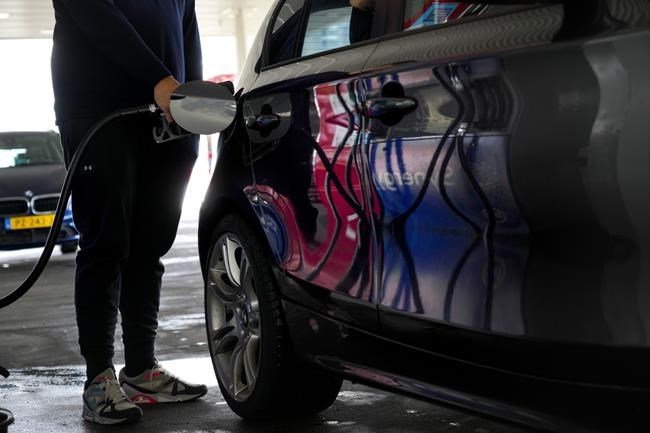
Fears that the war may lead to an interruption of oil or gas supplies from Russia, the world’s largest oil exporter, have pushed prices for oil and natural gas higher. That comes on top of rebounding global demand amid recovery from the pandemic downturn and a cautious approach to increasing production from oil cartel OPEC and allied countries including Russia.
High inflation is reverberating through politics and the economy, as governments enact cash support for hard hit households. Germany is dropping a charge for supporting renewable energy on electric bills, saving a family of four around 300 euros ($317) a year. Germany’s IG Metall industrial union is proposing an 8.2% annual increase for the country’s steelworkers going into wage talks.
And fear of even higher heating, electricity and auto fuel prices are one factor holding back European governments from deciding to halt energy imports from Russia as part of the sanctions over the Kremlin’s invasion of Ukraine.
Inflation is also putting uncomfortable pressure on the European Central Bank to look at raising interest rates from record lows in coming months. Higher rates to quell inflation could also weigh on a recovery that has been shaken by the energy crunch, the war, and the latest outbreaks of COVID-19.

Growth in the 19 EU member countries that use the euro slowed to 0.2% in the first three months of the year as voluntary and government restrictions during the spread of the highly contagious omicron variant of the coronavirus joined with higher inflation to hold back demand as people made less use of in-person services. The first quarter figure was down from 0.3% in the last three months of 2021.
__