Is travel safe during the pandemic this holiday season?
Advertisement
Read this article for free:
or
Already have an account? Log in here »
To continue reading, please subscribe:

Digital Subscription
One year of digital access for only $205*
- Enjoy unlimited reading on winnipegfreepress.com
- Read the E-Edition, our digital replica newspaper
- Access News Break, our award-winning app
- Play interactive puzzles
*First annual payment billed as $205.00 + GST for one year. This annual subscription will automatically renew at $233.00 + GST every 52 weeks (10% off the regular annual price of $259.35). Offer available to new and qualified returning subscribers only. Cancel any time.
To continue reading, please subscribe:
Add Free Press access to your Brandon Sun subscription for only an additional
$1 for the first 4 weeks*
- Enjoy unlimited reading on winnipegfreepress.com
- Read the E-Edition, our digital replica newspaper
- Access News Break, our award-winning app
- Play interactive puzzles
*Your next Brandon Sun subscription payment will increase by $1.00 and you will be charged $17.95 plus GST for four weeks. After four weeks, your payment will increase to $24.95 plus GST every four weeks.
Read unlimited articles for free today:
or
Already have an account? Log in here »
Hey there, time traveller!
This article was published 22/11/2021 (1762 days ago), so information in it may no longer be current.
Is travel safe during the pandemic this holiday season?
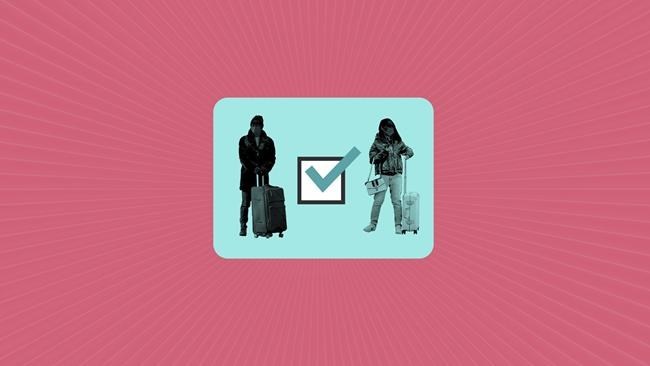
It depends. It can be safe if you’re fully vaccinated against COVID-19, but officials say people who haven’t gotten the shots should delay travel.
Regardless of vaccination status, all travelers should keep taking precautions like avoiding indoor, unmasked crowds, says Dr. Keith Armitage, an infectious disease expert at Case Western Reserve University.
“The delta variant has really brought us back to an earlier time in the pandemic,” he says.
The U.S. Centers for Disease Control and Prevention says not to travel if you’re sick, or if you tested positive for COVID-19 and your isolation period isn’t over yet — even if you’re fully vaccinated. Unvaccinated people who decide to travel should get a COVID-19 test one to three days before travel and three to five days after returning.
All travelers must still wear masks on trains, planes and other indoor public transportation areas, the agency says.
Airlines say plane cabins are low risk since they have good air circulation and filtration. However, there is no requirement for vaccination or testing before domestic flights, and passengers can remove their face masks while eating or drinking.
Hotels aren’t risky for the vaccinated as long as they wear masks around strangers, Armitage says. More fraught are family gatherings with unvaccinated individuals, particularly for those who are older or have health problems.
Health experts suggest looking at the case levels and masking rules in the place you are visiting before you travel.

______
The AP is answering your questions about the coronavirus in this series. Submit them at: FactCheck@AP.org. Read more here:
Why can’t some COVID-19 vaccinated people travel to the US?
Can at-home COVID-19 tests make holiday gatherings safer?
Can I get the flu and COVID-19 vaccines at the same time?