

Last payout for Churchill fund
Federal money set up to support community after rail line washout laid important groundwork, mayor says
Advertisement
Read this article for free:
or
Already have an account? Log in here »
To continue reading, please subscribe:

Digital Subscription
One year of digital access for only $205*
- Enjoy unlimited reading on winnipegfreepress.com
- Read the E-Edition, our digital replica newspaper
- Access News Break, our award-winning app
- Play interactive puzzles
*First annual payment billed as $205.00 + GST for one year. This annual subscription will automatically renew at $233.00 + GST every 52 weeks (10% off the regular annual price of $259.35). Offer available to new and qualified returning subscribers only. Cancel any time.
To continue reading, please subscribe:
Add Free Press access to your Brandon Sun subscription for only an additional
$1 for the first 4 weeks*
- Enjoy unlimited reading on winnipegfreepress.com
- Read the E-Edition, our digital replica newspaper
- Access News Break, our award-winning app
- Play interactive puzzles
*Your next Brandon Sun subscription payment will increase by $1.00 and you will be charged $17.95 plus GST for four weeks. After four weeks, your payment will increase to $24.95 plus GST every four weeks.
Read unlimited articles for free today:
or
Already have an account? Log in here »
Hey there, time traveller!
This article was published 12/12/2020 (2119 days ago), so information in it may no longer be current.
The last of the $7.3-million federal government fund set up to support the town of Churchill after it lost rail service for a year and a half has now been disbursed.
The announcement of the final $1.1 million for 16 projects from the Churchill and Region Economic Development (CRED) Fund took place more than two years after rail service resumed after a devastating rail line washout and acrimonious negotiations with the previous owners of the line. The federal government eventually came up with $117 million to allow the line to be acquired including more than $40 million for maintenance work.
The rail line and the Port of Churchill is now owned by a consortium — which includes 30 First Nations and close to 20 other communities and municipalities in northern Manitoba and Kivalliq in western Nunavut — called Arctic Gateway Group.
The CRED fund was to support short- and long-term private sector enterprises as well as community economic development projects that could help diversify the Northern economy hit hard not just by the rail disruption but by vulnerabilities in the resource sector as well.
Jason Denbow, executive director of Community Futures Manitoba, which administered the fund and approved the project applications, said it will continue supporting projects in the North.
Community Futures is a lender that offers loans of as much as $150,000 per project with favourable rates.
“We were there before the CRED fund and we will be there after,” Denbow said.
The CRED fund provided grants to applicants and Denbow said that one of the hopes was that the financial support would help spur new projects that would lead to new clients that Community Futures would be able to continue to support, which has already occurred.
“There have been (through) CRED a few projects that have already gone on and negotiated further loans to support them,” he said.
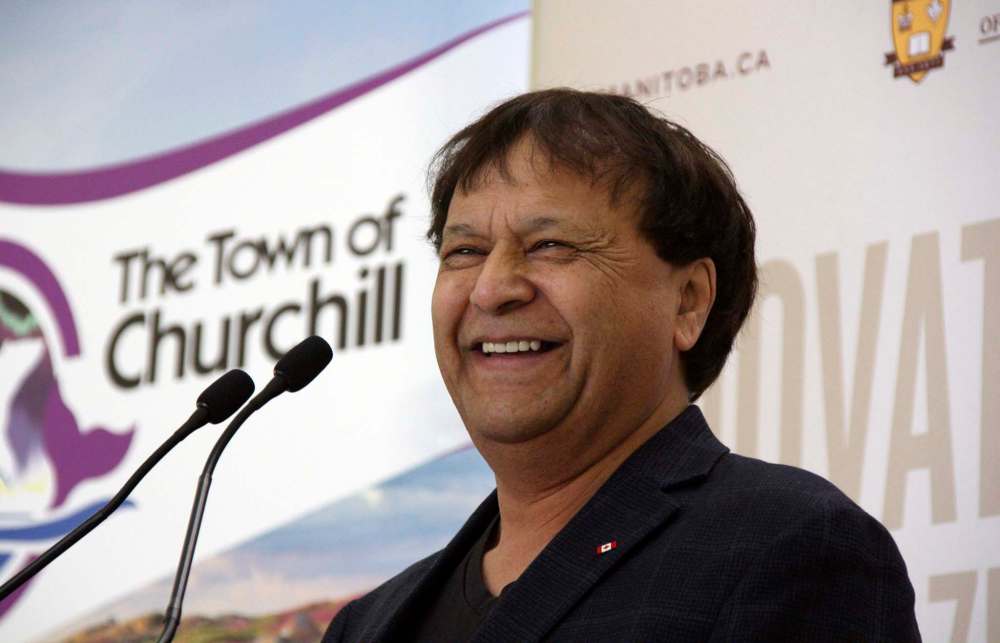
Mike Spence, the longtime mayor of Churchill and one of the architects of the ownership consortium called One North that co-owns the rail road, said the CRED funding did an “excellent job of laying the groundwork for a very successful future.”
The last round of funding supported projects including: $55,000 additional funds for a project called Rocket Greens, a hydroponic vegetable operation producing in-demand green leafy vegetables in the North; $35,000 for further business plan development for One North; and $75,000 for strategic development at the Churchill Airport.
Terry Duguid, the parliamentary secretary to the minister responsible for Western Economic Development, where the CRED fund originated, said he believes the project was a success and that a follow-on fund should be considered, but gave no assurances that would be the case.
While the fund was set up specifically to provide economic support because of a unique failure in the transportation infrastructure there are some who continue to be concerned about its sustainability.

Earlier this summer some of the members of the Arctic Gateway Group expressed concern that the Hudson Bay Railway would need additional capital to maintain operations throughout this year when business has been hampered by the pandemic restrictions.
Spence said, “That process continues. We are making progress. It’s a matter of ‘Let’s see how it goes.’ Stay tuned.”
In 2019 Churchill made it onto Lonely Planet’s coveted top 10 regions in the world to visit which was expected to significantly increase tourist interest in the beluga whale and polar bear watching excursions, but the pandemic has snuffed out what was expected to be a very busy year in Churchill.
“COVID really knocked us down and we’re trying to pick up the pieces,” Spence said. “The (tourism) operators continue to have dialogue with Travel Manitoba. Everyone is chomping at the bit so we can have a successful 2021. We all know it is going to take time.
martin.cash@freepress.mb.ca