

Seattle goes electric
New Flyer sells 40 battery-powered buses, with plans to sell 80 more
Advertisement
Read this article for free:
or
Already have an account? Log in here »
To continue reading, please subscribe:

Digital Subscription
One year of digital access for only $205*
- Enjoy unlimited reading on winnipegfreepress.com
- Read the E-Edition, our digital replica newspaper
- Access News Break, our award-winning app
- Play interactive puzzles
*First annual payment billed as $205.00 + GST for one year. This annual subscription will automatically renew at $233.00 + GST every 52 weeks (10% off the regular annual price of $259.35). Offer available to new and qualified returning subscribers only. Cancel any time.
To continue reading, please subscribe:
Add Free Press access to your Brandon Sun subscription for only an additional
$1 for the first 4 weeks*
- Enjoy unlimited reading on winnipegfreepress.com
- Read the E-Edition, our digital replica newspaper
- Access News Break, our award-winning app
- Play interactive puzzles
*Your next Brandon Sun subscription payment will increase by $1.00 and you will be charged $17.95 plus GST for four weeks. After four weeks, your payment will increase to $24.95 plus GST every four weeks.
Read unlimited articles for free today:
or
Already have an account? Log in here »
Hey there, time traveller!
This article was published 31/01/2020 (2434 days ago), so information in it may no longer be current.
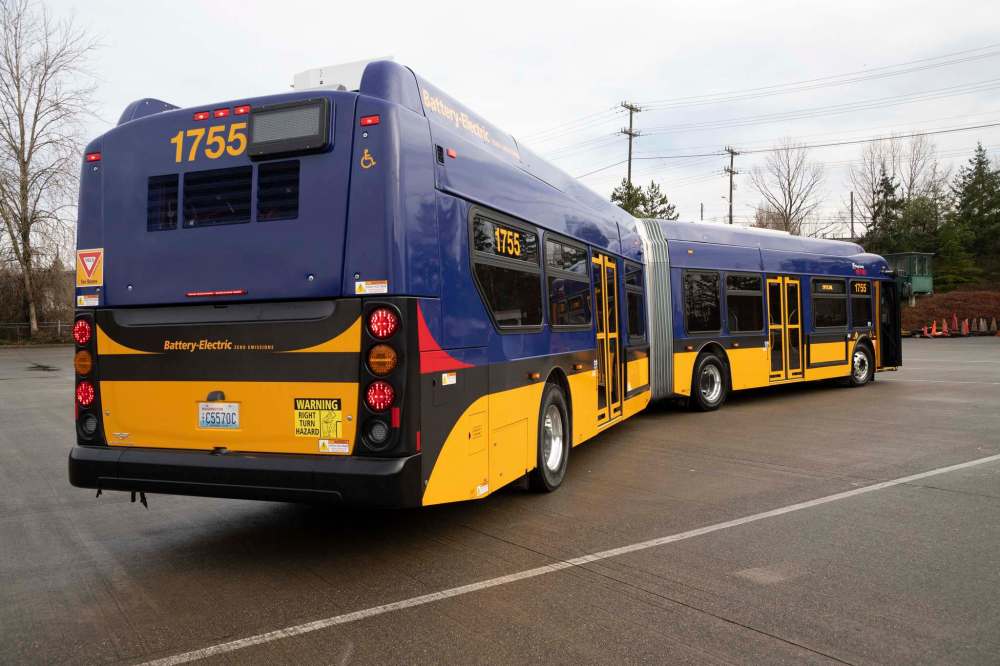
NFI Group is about to finalize its largest order for battery-electric buses to the Seattle-area transit agency, signalling broader market readiness for zero-emission buses.
King County Metro, the transit authority for Seattle and the surrounding region, has agreed to purchase 40 sixty-foot zero-emission, battery-electric Xcelsior heavy-duty transit buses from New Flyer. It plans to order an additional 80 battery-electric buses in the coming year.
With a sticker price of about $1.3 million each, the sale in and of itself is a significant win for NFI Group (formerly New Flyer Industries).
It is also likely a prelude to a number of new all-electric bus orders in the coming years as many of the largest transit authorities in Canada and the U.S. have said they intend to convert their transit fleets to battery-electric propulsion this decade.
For instance, last summer, the Los Angeles County Metropolitan Transportation Authority took delivery of the first of 40 electric buses from New Flyer that will be arriving over the next year.
In December, New York City Transit deployed the first of 15 New Flyer electric Xcelsior buses. That transit authority has said it plans to buy 500 all-electric buses between now and 2024.
That’s not to say NFI Group will win the contract to supply all or any of them, but the company is well-situated to be able to capitalize on the all-electric trend.
In a note to investors this week, Chris Murray, an analyst with AltaCorp Capital, said, “While many projects are still in the trial phase, with transit authorities learning about vehicle operation and maintenance, charging strategy and understanding the required infrastructure, we believe the award of this order is a major milestone, being the largest fleet order to date for all electric buses.”
Seattle, for one, has now got past that trial period that New Flyer was intimately involved in.
In 2017, King Country Metro’s spec sheet on what it needed from an all-electric bus included the creation of buses that could travel farther and handle the varying terrain requirements of the region.
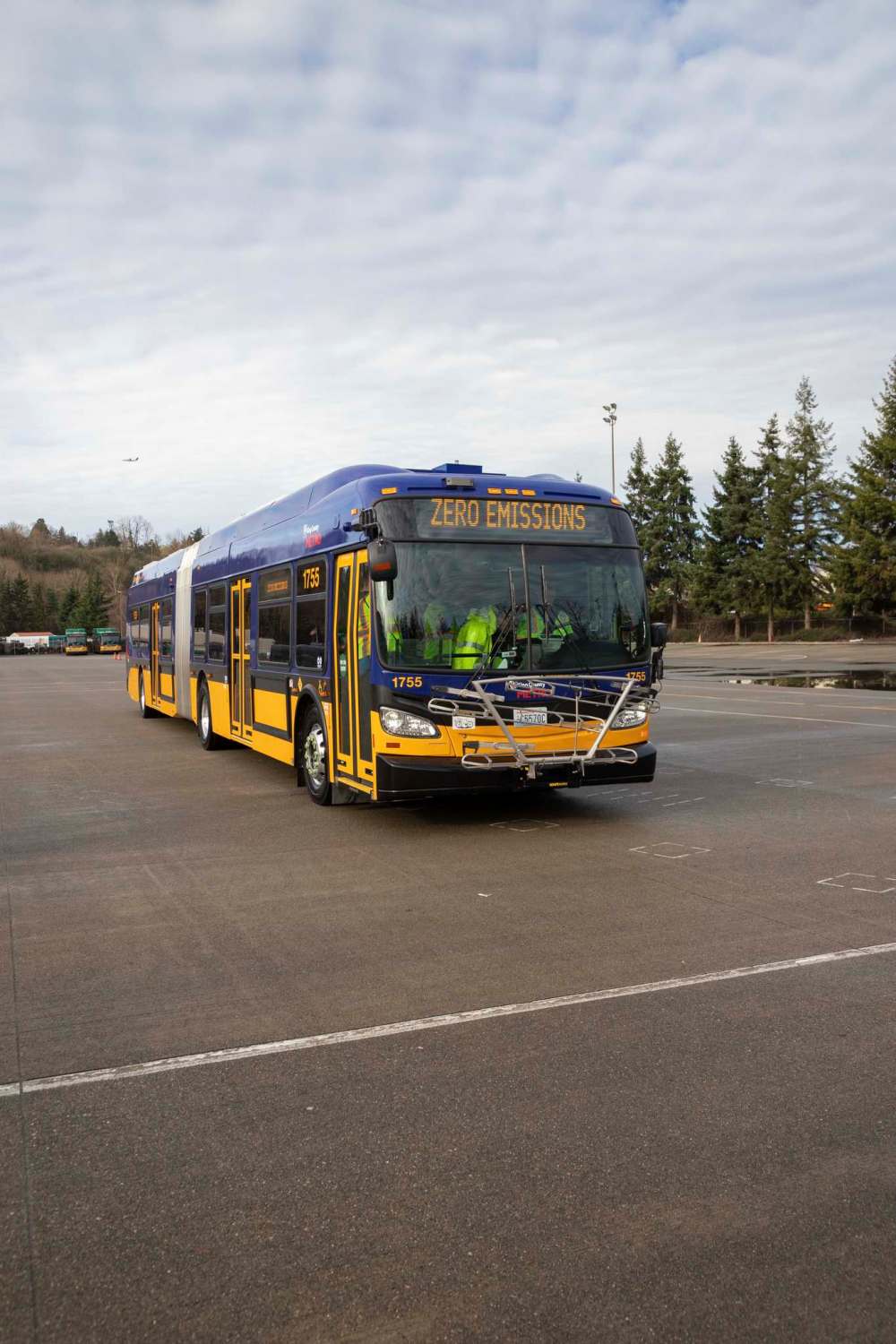
The Winnipeg bus maker, which has U.S. manufacturing sites in Minnesota and Alabama, has delivered more than 1,800 buses to the Seattle-area transit authority since 1979.
Jennifer McNeill, New Flyer’s vice-president sales and marketing, said, “It is not an inconsequential task to design how you are going to deploy electric buses into your fleet.
King County is one of the first cities to come out of that evaluation process and actually start to deploy smaller sub-fleets of electric vehicles. We’re really excited to support them with that.”
While North American cities are in the middle of that planning, most battery-electric orders to date have been in the range of 10 to 15, but Cameron Doerksen, an analyst with National Bank Financial, said there will be more large-scale orders to come.
“From that perspective, for sure it is a positive development for NFI. They had a trial in Seattle and they decided to go with NFI for the larger order. It probably bodes well for NFI to maintain its significant market share in the transit agencies in North America,” he said.

One of the major hurdles transit authorities have to overcome in order to add electric buses to their fleet is the development of charging infrastructure. In the case of King County, McNeill said there will be a separate request for proposals for charging stations.
“The challenge for these transit agencies, especially in the U.S. where there are specific mechanisms for (federal) funding for bus orders, is that they have to figure out a way to fund all the infrastructure that’s required for electrification,” Doerksen said
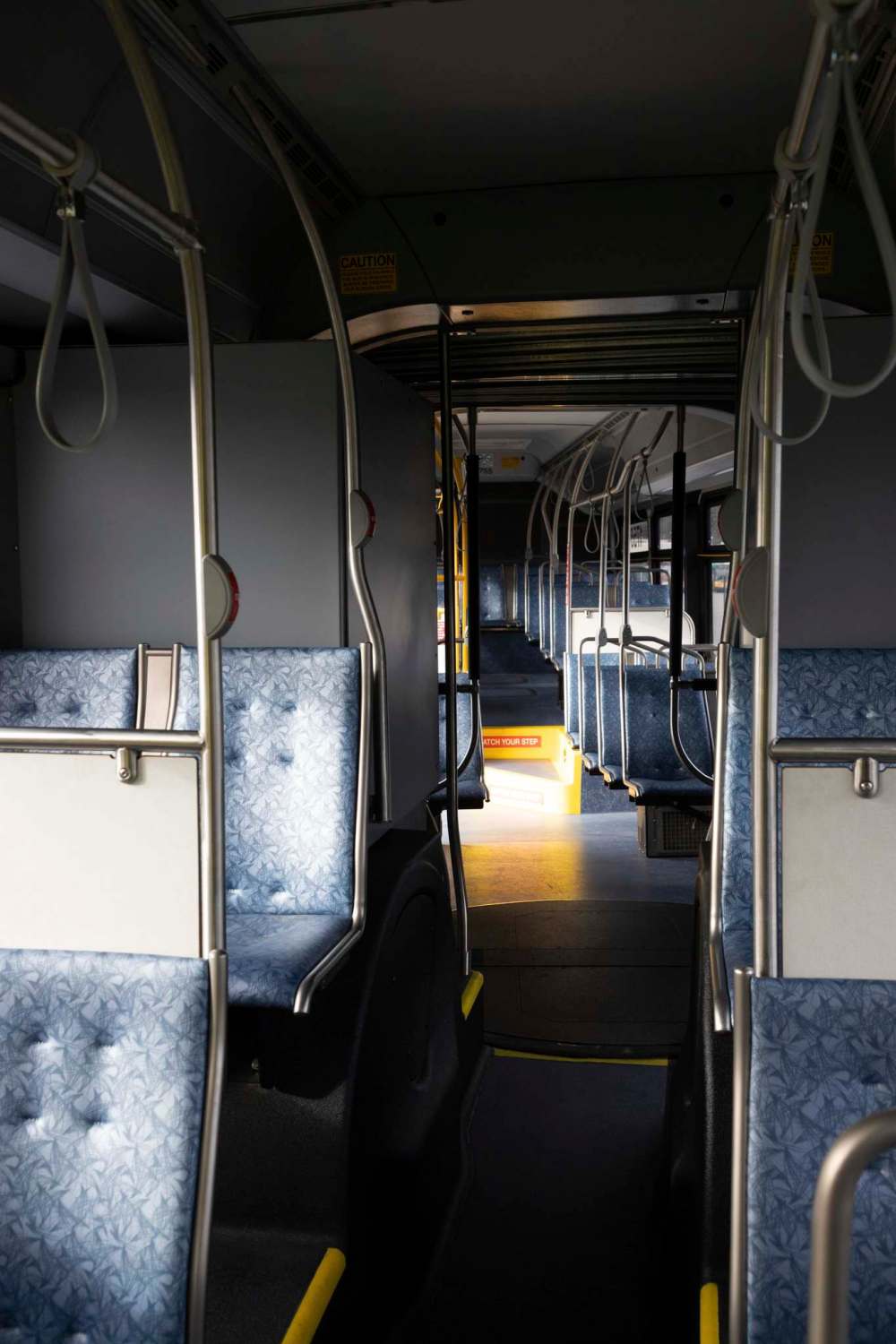
The U.S. federal funding bill, as it stands, does not provide specific means of accessing funding for the construction of charging stations or renovating existing depots.
“That will probably change,” Doerksen said. “But it’s a challenge for transit agencies. There is a significant investment in things beyond just the bus.”
martin.cash@freepress.mb.ca
History
Updated on Friday, January 31, 2020 6:37 PM CST: Adds photos
Updated on Friday, January 31, 2020 6:40 PM CST: Edits photos captions