Technologies, Topics and Trends
Please review each article prior to use: grade-level applicability and curricular alignment might not be obvious from the headline alone.

News publishers launch copyright suit against AI company Anthropic in Ontario
3 minute read Preview Updated: Yesterday at 2:32 PM CDT
Salvation Army calls on Winnipeggers to donate merchandise as sales soar
4 minute read Preview Monday, Oct. 19, 2026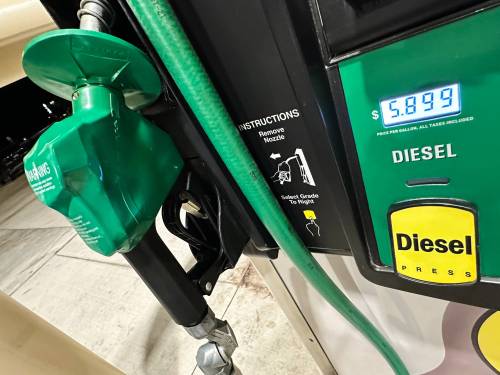
Diesel bill adds to cost-price squeeze on farm
4 minute read Preview Saturday, Oct. 17, 2026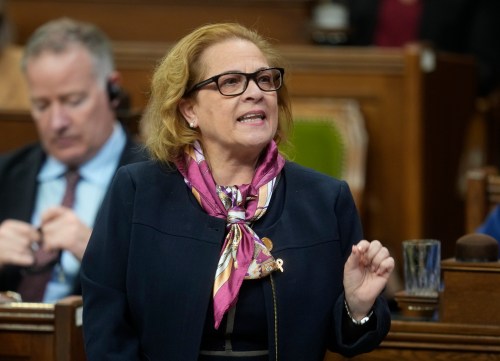
Ottawa adding new express entry points for immigrants in ‘high-wage’ jobs
2 minute read Preview Sunday, Oct. 18, 2026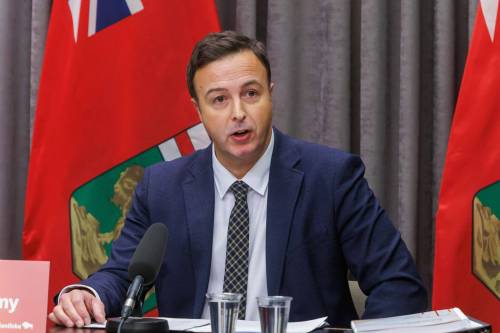
NDP expects crypto, data centre electricity levy to shave about $50 annually off residential Hydro bills
5 minute read Preview Friday, Oct. 16, 2026
Jets-linked biometrical hockey skills platform launches
5 minute read Preview Wednesday, Oct. 14, 2026
More damaging AI hacking incidents to come unless changes are made, scientists warn
3 minute read Preview Friday, Oct. 16, 2026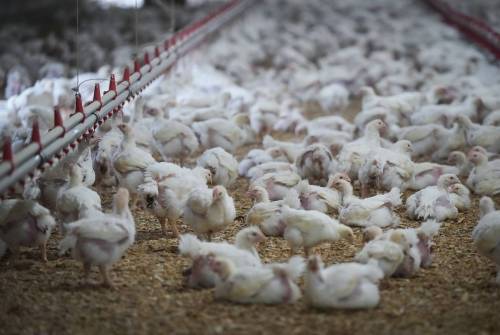
Protein crests current appetite wave
4 minute read Preview Saturday, Oct. 10, 2026
Phoneless concert a beautiful chance to bask in moment
5 minute read Preview Saturday, Oct. 10, 2026
Heated hiring debate over iced coffee
7 minute read Preview Saturday, Oct. 10, 2026Manitoba last province requiring physical stakes on mineral claims
5 minute read Friday, Oct. 9, 2026Potential Manitoba mine sites bear decor not seen in other provinces: GPS-enabled claim markers.
All other provinces permitting mining have dropped requirements for prospectors to physically stake land claims.
They’ve all moved to digital systems.
As Manitoba politicians trumpet plans to triple mining production, exploration companies and the local prospectors association warn outdated staking methods will slow progress.
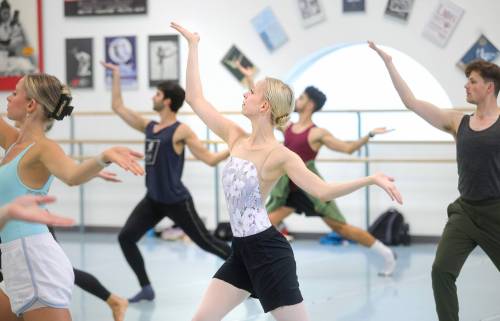
Royal Winnipeg Ballet workers unionize with MGEU
3 minute read Preview Friday, Oct. 9, 2026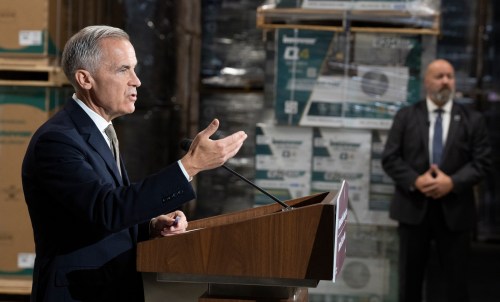
Special House committee votes to push forward major projects bill
4 minute read Preview Saturday, Oct. 10, 2026
Diesel-fuelled price hikes could stoke food inflation this fall, experts warn
5 minute read Preview Saturday, Oct. 10, 2026AI governance: Canada’s next structural test
4 minute read Wednesday, Oct. 7, 2026Artificial intelligence is accelerating faster than the governance structures meant to contain it. Canada now faces a structural test — whether our institutions can protect autonomy, dignity, and continuity in an era when decision-making is increasingly mediated by systems we did not design, cannot fully audit, and do not yet constitutionally constrain.
This is not a technological problem. It is a governance problem.
AI systems influence how information flows, how institutions behave, and how decisions are made. They shape the conditions under which harm becomes predictable. They amplify both the strengths and weaknesses of the systems into which they are deployed. And they do all of this at a scale and speed that outpaces traditional regulatory tools.
Canada’s current approach to AI governance relies heavily on policy, guidelines, and sector-specific regulation. These are important, but they are not sufficient. What is missing is structural clarity — a constitutional-grade framework that defines authority, responsibility, accountability, and the minimum conditions under which AI systems may operate without undermining human dignity or institutional credibility.
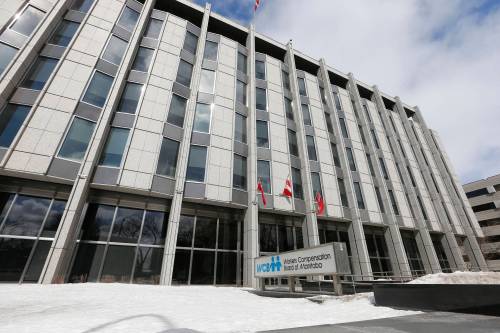
Manitoba Federation of Labour calls for independent review of Workers Compensation Board
5 minute read Preview Tuesday, Oct. 6, 2026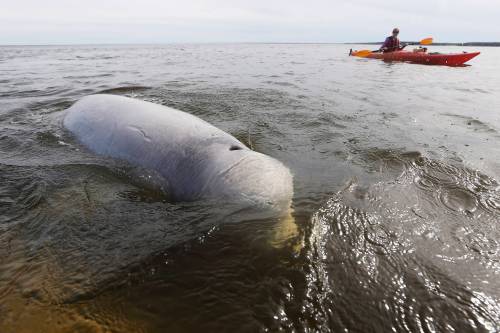
Manitoba tourism reached new heights in 2025
4 minute read Preview Wednesday, Oct. 7, 2026
Amazon in the weeds over damage to tall grass reserve
7 minute read Preview Tuesday, Oct. 6, 2026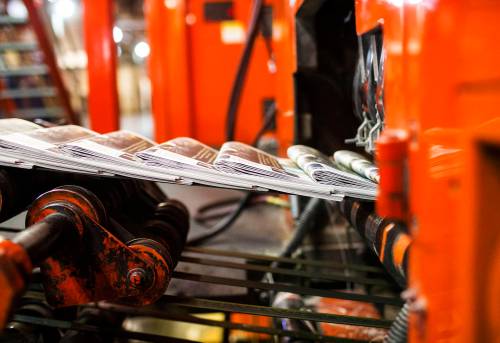
Real journalists matter in an AI world
4 minute read Preview Tuesday, Oct. 6, 2026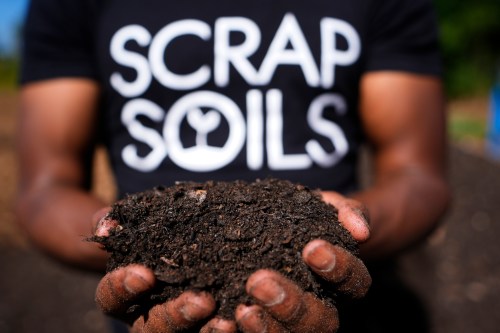
Budding food scrap pickup services across the US want your coffee grounds and eggshells
6 minute read Preview Tuesday, Oct. 6, 2026
Broadening prediction-market gambling a bad idea
4 minute read Preview Saturday, Oct. 3, 2026
Manitoba marks end of sending simple workplace problems to doctor’s office
7 minute read Preview Saturday, Oct. 3, 2026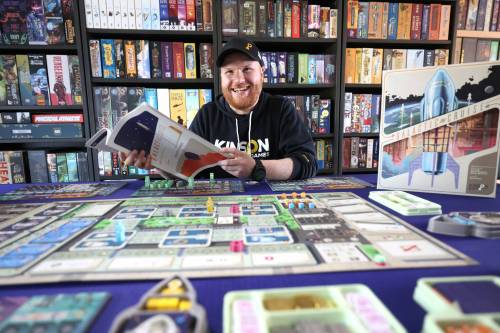
Winnipeg board game company charts winning path
5 minute read Preview Friday, Oct. 2, 2026