Human Ecology
Please review each article prior to use: grade-level applicability and curricular alignment might not be obvious from the headline alone.

International Women’s Day spotlight on invisible work
6 minute read Preview Saturday, Mar. 7, 2026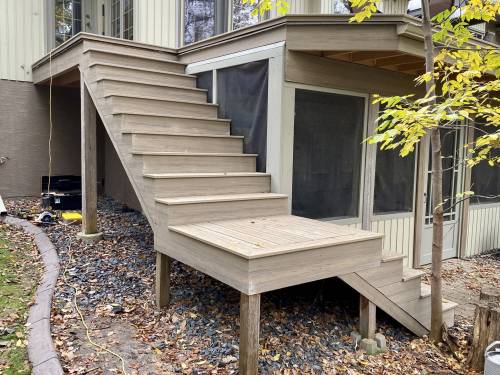
Never too early to start planning a new backyard hub
5 minute read Preview Saturday, Mar. 7, 2026

Sacred red thread around devotee’s wrist a source of protection for Hindus
5 minute read Preview Saturday, Mar. 7, 2026
Children’s book on Ramadan put back on school shelves
3 minute read Preview Friday, Mar. 6, 2026
Listen to what kids are saying; their lives may depend on it
5 minute read Preview Friday, Mar. 6, 2026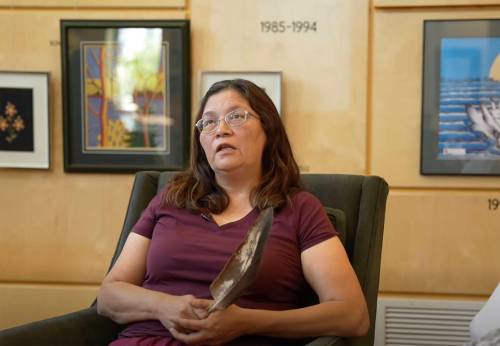
Wounded wombs: Indigenous women who were involuntarily sterilized still grieving their losses
9 minute read Preview Wednesday, Mar. 11, 2026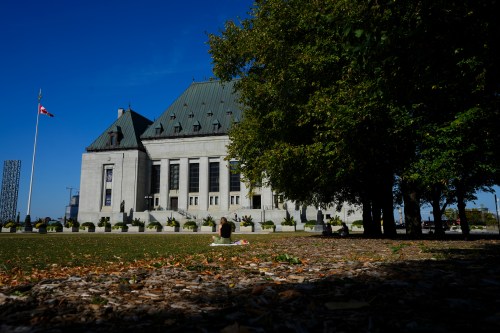
Supreme Court says asylum seekers entitled to subsidized Quebec daycare
4 minute read Preview Saturday, Mar. 7, 2026
Spin Master sees loss, lower revenue in holiday quarter
4 minute read Preview Friday, Apr. 24, 2026Making infant sleep environments as safe as possible
5 minute read Thursday, Mar. 5, 2026Every year in Canada and around the world, families are devastated by the loss of an infant sleeping peacefully yet never waking. These heartbreaking tragedies, known as sleep-related infant deaths, encompass SIDS (sudden infant death syndrome), accidental suffocation, and other unexplained causes.
In 2024, the Manitoba Advocate for Children and Youth (MACY) released Shifting the Lens, reporting that between 2019 and 2021, Manitoba experienced 48 such deaths — each one a life cut short, a dream shattered, and a family and community forever changed. Although overall rates initially declined over previous decades, progress has stalled, and inequities persist. As we approach Safe Sleep Week 2026, let’s reimagine our collective approach — from policy to public messaging — to make infant sleep environments as safe as possible for all.
Families facing poverty, housing instability, histories of colonization and systemic inequities are disproportionately affected by sleep-related infant deaths. Addressing these deaths requires shifting the focus from blame and fear to structural solutions and opportunity.
Sleep-related infant deaths are often framed as matters of parental choice or individual behaviours, yet social determinants of health play a decisive role in shaping the conditions in which families care for infants. Factors such as income, housing stability, education, access to culturally safe health care, and systemic inequities influence whether families can consistently follow safe sleep recommendations. For example, overcrowded or unstable housing may limit access to a separate, safe sleep surface. Financial strain can make it difficult to obtain cribs or bassinets. Colonialism, racism and geographic isolation further compound risk. Experiences of racism create barriers to accessing prenatal and postnatal care as well as reduce opportunities for culturally relevant guidance about safe sleep. Systemic racism also takes the form of unfairly judging parents as being unable to properly care for their children, resulting in families being involved with the child welfare system and children being apprehended.
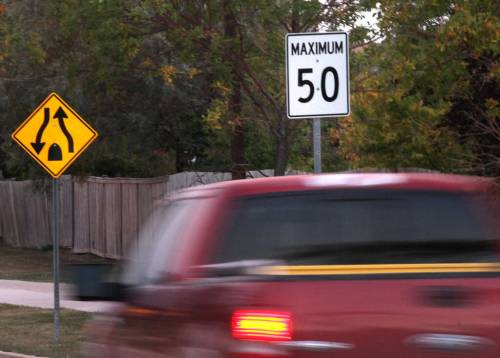
Proposal to reduce Winnipeg’s default 50 km/h speed limit advances
5 minute read Preview Wednesday, Mar. 4, 2026
Councillors back permanent bike lane for Wellington Crescent next year
4 minute read Preview Wednesday, Mar. 4, 2026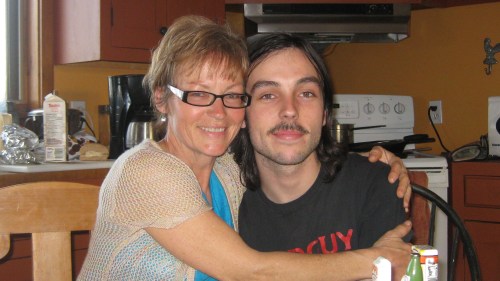
Moms describe being trapped in a cycle of anguish when a loved one faces mental health crises
12 minute read Preview Friday, Apr. 24, 2026Portage la Prairie School Division holds firm to religious exemption refusal
4 minute read Wednesday, Mar. 4, 2026The Portage la Prairie School Division is upholding a decision to reject a family’s request for a religious exemption from activities related to Indigenous spirituality.
Sharon Sanders Zettler and Vince Zettler have spent the better part of the academic year seeking accommodations for their children at Yellowquill School.
“I have raised my kids in the Catholic faith from Day 1 and I am just looking for respect for that,” said Sanders Zettler, a mother of students enrolled in Grades 5 and 7 in Portage la Prairie.
Her husband echoed those comments while noting they are not interested in policing what other children learn.

Trial against Meta in New Mexico highlights video depositions by top executives
4 minute read Preview Friday, Apr. 24, 2026
Councillor raises concern about community garden homeless encampment
4 minute read Preview Tuesday, Mar. 3, 2026
Survey results crystal-clear: transit system overhaul a disaster
5 minute read Preview Tuesday, Mar. 3, 2026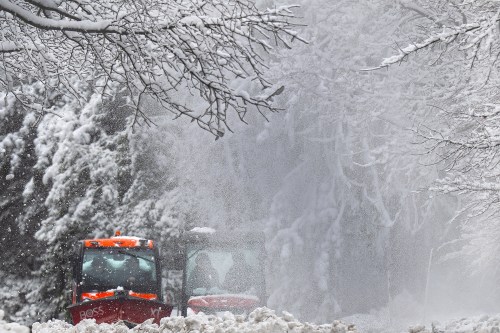
High-tech snowplows and AI help cities clean up from big storms
5 minute read Preview Friday, Apr. 24, 2026Debt levels a worry for Prairie residents
4 minute read Tuesday, Mar. 3, 2026Nearly half of Manitobans have debt on their mind.
New data compiled by Ipsos on behalf of MNP Ltd. shows that 46 per cent of Manitoba and Saskatchewan residents say they are concerned about their current level of debt, a figure that went up six points between 2020 and 2025. More than two in five (44 per cent) regret the amount of debt they have taken on over their lifetime.
MNP, the largest insolvency practice in Canada, released the data Monday as it promotes Debt Literacy Month throughout March.
A debt literacy gap persists, the organization said in a news release. Borrowing has become more common amid cost-of-living pressures, and many Manitoba and Saskatchewan residents are unclear on how interest works in practice or how rate changes affect their own financial position.

Last spring forward for B.C. as it moves to permanent daylight time
6 minute read Preview Tuesday, Mar. 24, 2026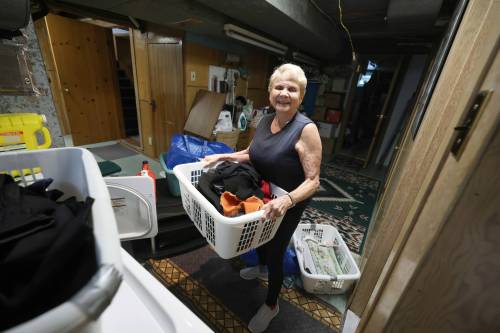
Retired nurse doesn’t mind doing laundry to help raise money for Children’s Hospital Foundation
9 minute read Preview Monday, Mar. 2, 2026Grandparents and grandchildren can grow together
5 minute read Monday, Mar. 2, 2026When my now five-year-old grandson was younger, we enjoyed an easygoing relationship, the kind often represented as idyllic in popular media culture — harmonious, reciprocal, restorative.
We would walk the woods together, gather berries, cavort. He ran towards me when I appeared at his door, asked me to sit beside him at meals. We shared bowls of purple grapes while we built garages out of magnet tiles, “assisted” one another in the garden, drew pictures, consulted about the weather and planned possible treats.
Over the last several months, however, our relationship has changed as his personality and behaviour develop. He is less favourably inclined towards me and more unforgiving if I misstep or mistake boundaries that are important to him.
I had picked him up for years from his daycare, for example, but when he moved to a new school this fall, he became increasingly upset if I, rather than his mother or father, came to get him.
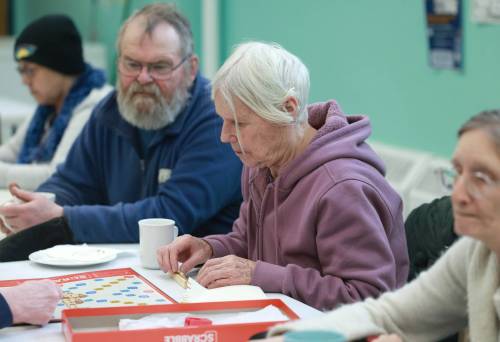
Three determined church members join forces to build thriving social community for seniors in the West End
5 minute read Preview Saturday, Feb. 28, 2026