Human Ecology
Please review each article prior to use: grade-level applicability and curricular alignment might not be obvious from the headline alone.

Processing potential long way from reality
5 minute read Preview Yesterday at 2:02 AM CDTMPI must evolve to ‘best-in-class’
5 minute read Yesterday at 2:02 AM CDTAs a Manitoban, you pay the lowest auto insurance rates in Canada in 2026. (That’s the analysis shared in the Saskatchewan Auto Fund’s 2026 Rate Proposal, in case having your good fortune envied by your neighbours sweetens the news.)
You deal directly with one insurance company — your own — after your vehicle gets hit, rather than chasing the other driver’s company. When it comes to fair and transparent customer service, your insurer has a higher bar to jump than in many other provinces. A private insurance company could just hike your rates; before making rate changes, Manitoba Public Insurance must go through an open and transparent public hearing at the Public Utilities Board, a neutral third party.
It’s worth remembering these points as MPI is slammed in opinion columns, social media posts and water-cooler talk. We have rates and an ease of navigating claims that other Canadians envy. We have a crown corporation that is a crown jewel — or could be.
But the criticism is warranted.
How the city fills its coffers
4 minute read Yesterday at 2:00 AM CDTWinnipeg has a serious revenue problem. There is no single solution, and the city operates with fewer revenue tools than provincial or federal governments. But how city hall raises money is a growing concern, alongside the fact that the city faces a structural deficit.
Municipalities have an uphill battle given the technicalities of how property taxes are calculated. Unlike income and sales taxes collected by the province, property tax revenues do not automatically grow with inflation in the economy. To keep up with rising costs and maintain public services at status quo levels, the city needs to increase tax rates each year.
For years, Winnipeg failed to raise property tax rates in line with inflation and population growth, while relying more heavily on frontage levies, user fees and utility revenues. The long property-tax freeze from 1998 through 2011 weakened the city’s revenue base and contributed to underinvestment in services and infrastructure. The 2026 alternative municipal budget by the Manitoba chapter of the Canadian Centre for Policy Alternatives estimates that, after inflation and population growth, city revenue per person in 2025 remained 1.9 per cent below its 2001 level.
This city has partially compensated over the last 15 years by increasing water-and-sewer rates, frontage levies, recreation fees and fines. This increasing reliance on utilities, levies, fees and fines has important equity considerations. One particularly problematic practice is transferring money from the water and sewer utilities into the city’s general revenues.

Addressing poverty best way to reduce crime, majority of city residents say in survey
5 minute read Preview Friday, Oct. 23, 2026
Manitoba to focus on children — and adults — in revamped autism plan
4 minute read Preview Friday, Oct. 23, 2026
Ottawa must parlay sports gambling boom into addiction supports
5 minute read Preview Friday, Oct. 23, 2026
First Crumbl cookie shop opens in Winnipeg
3 minute read Preview Friday, Oct. 23, 2026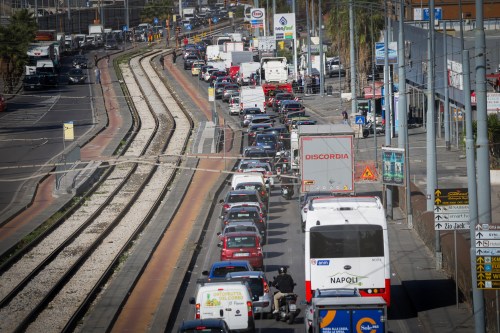
Millions in cheese revenue lost as protest torpedoes Italy’s buffalo mozzarella output
4 minute read Preview Friday, Oct. 23, 2026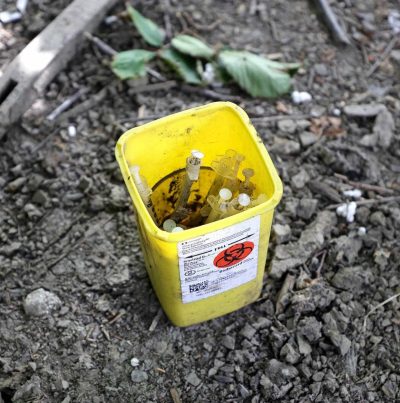
Addressing homelessness and toxic drug use
5 minute read Preview Tuesday, Oct. 20, 2026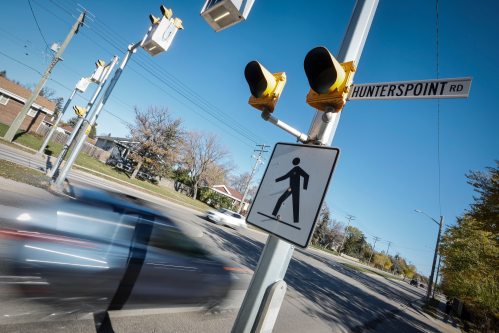
‘Make eye contact’: police urge extra caution amid spate of vehicle-pedestrian collisions
5 minute read Preview Wednesday, Oct. 21, 2026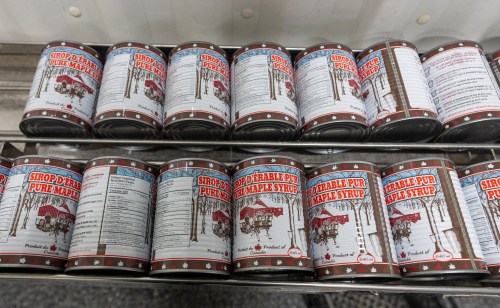
Quebec’s strategic maple syrup reserve running dry amid high demand
4 minute read Preview Wednesday, Oct. 21, 2026
Salvation Army calls on Winnipeggers to donate merchandise as sales soar
4 minute read Preview Monday, Oct. 19, 2026
Red Cross volunteer honoured for years of service
4 minute read Preview Monday, Oct. 19, 2026
Oseredok's centrepiece mosaic is a testament to Ukrainian heritage
6 minute read Preview Monday, Oct. 19, 2026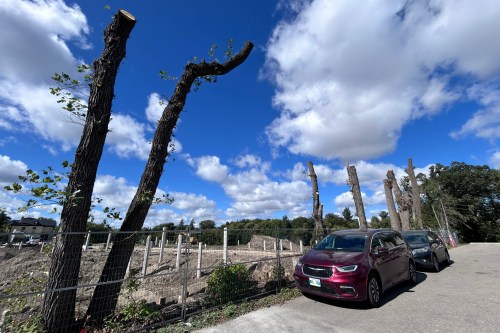
Advocates planting the seed of a tree protection law in Winnipeg’s election
6 minute read Preview Wednesday, Oct. 21, 2026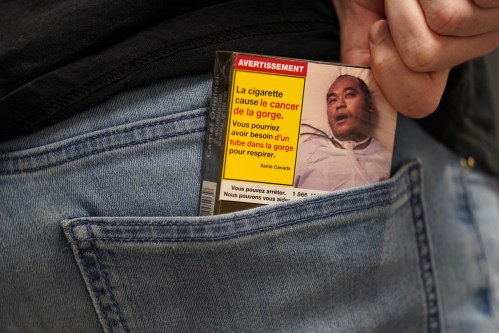
Behind the push to make smoking and vaping illegal for a generation of Canadians
5 minute read Preview Wednesday, Oct. 21, 2026
Célébrer ‘la base de notre communauté’
5 minute read Preview Saturday, Oct. 17, 2026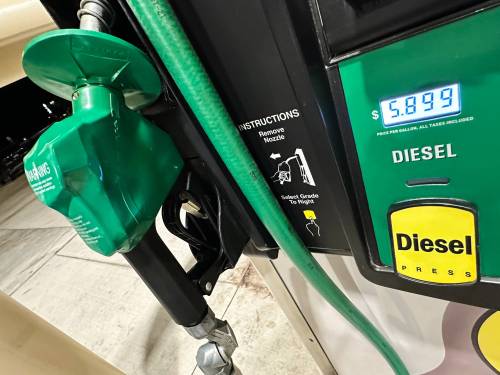
Diesel bill adds to cost-price squeeze on farm
4 minute read Preview Saturday, Oct. 17, 2026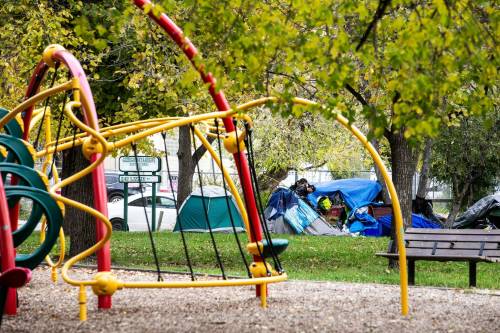
If every child matters, why no public inquiry?
6 minute read Preview Saturday, Oct. 17, 2026
Increasingly cited financial term, ‘nut,’ is worth knowing, says best-selling author
5 minute read Preview Saturday, Oct. 17, 2026Stocking up on food matter of course for LDS members
5 minute read Saturday, Oct. 17, 2026Last month, the British government issued a warning that hasn’t been heard in that country since the Second World War: stock up on food.
As reported by columnist Gwynne Dyer in this newspaper, the warning came from environment minister Angela Eagle when she was talking about the impact this year’s El Niño could have on food supplies in the United Kingdom.
“We’re about to experience probably the largest El that has ever been seen, and that will lead to drier summers, wetter winters, with more extreme storms in this country,” she said.
That could lead to food shortages, Eagle said, adding: “If you’ve got a store of a bit of food that can keep you going for a while before the emergency services can get to you, you’re going to be a lot better off than if you haven’t.”

A kitchen is transformed with beautiful tiles and new countertops
5 minute read Preview Saturday, Oct. 17, 2026
Nurses call for national strategy on seniors’ health care
4 minute read Preview Friday, Oct. 16, 2026