Patterns and Relations
Please review each article prior to use: grade-level applicability and curricular alignment might not be obvious from the headline alone.
Canada’s first Ukrainian pioneers
4 minute read Yesterday at 2:00 AM CDTOn Aug. 24, Canadians of Ukrainian descent and Ukrainians throughout the diaspora celebrated the 35th anniversary of the restoration of Ukraine’s independence. This jubilant occasion identified Ukraine’s sovereignty within the international community.
Another milestone event will soon be addressed by Ukrainians. On Sept. 7, 1891 — 135 years ago — the first wave of Ukrainians arrived in our country.
Two adventurous individuals, Ivan Pylypiw and Wasyl Elyniak, were the first two officially recorded Ukrainian immigrants in Canada. They arrived in Montreal, on the steamship Oregon, and are considered the pioneers of the dynamic Ukrainian Canadian community that settled in Manitoba, Saskatchewan, and Alberta. Pylypiw and Elyniak were directly responsible for the first settlements on the Prairies by eventually bringing their own families and inspiring other households to come.
No one leaves their country unless inspired by some selfless ideal or compelled to do so by reasons of an imperative nature, such as politics and economics — as with the mass Ukrainian migration of 2022, after the Russian invasion, when millions of Ukrainians fled their homes and settled throughout Canada and the world.
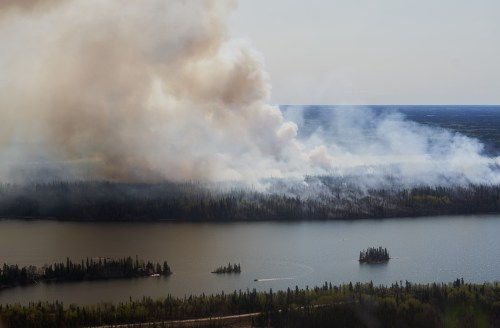
Changes to Canada’s climate now ‘irreversible,’ federal report says
4 minute read Preview Updated: 10:08 AM CDT
Manitoba expanding rent control threshold to $2,000 a month
1 minute read Preview Updated: Yesterday at 8:32 AM CDTIndigenous enrolment up 12.5% at Brandon U
3 minute read Wednesday, Sep. 2, 2026Brandon University has recorded a 12.5 per cent increase in enrolment by Indigenous students from last year.

Recognizing the value of phys-ed for kids
5 minute read Preview Tuesday, Sep. 1, 2026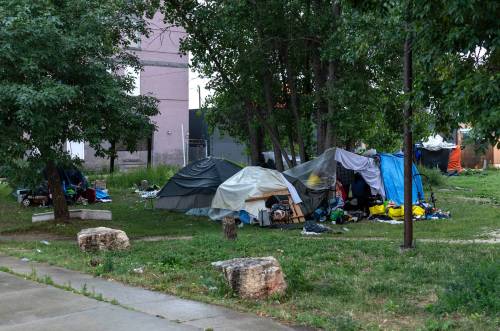
City advised 275 people in 72 camps as of July
4 minute read Preview Friday, Aug. 28, 2026
NDP trying to solve health-care problems from every angle — except the one likely to have the biggest impact
5 minute read Preview Friday, Aug. 28, 2026
Manitoba Hydro’s strategy: Deny, deny, deny
4 minute read Preview Friday, Aug. 28, 2026Treating symptoms, not the disease
4 minute read Friday, Aug. 28, 2026The backlog in emergency rooms in Manitoba stems from problems before and after the ER, not in the ER.
In Tom Brodbeck’s piece on the chronic and rising emergency room crisis in Winnipeg (Condition critical, Aug. 21) he quoted several experts who alluded to the backlog of accessible beds, beds needed so that acutely ill people can be moved out of the ER onto hospital wards.
This is a problem of an acute-care bed shortage in the acute-care hospitals and a long-term care bed shortage outside of the acute-care hospitals, where patients who no longer need acute care should be.
One major problem not addressed in Brodbeck’s article is the care required to reduce patients’ perceived or real need to come to the ER.

Middle East war, oil prices expected to push Alberta’s budget back into the black
4 minute read Preview Saturday, Aug. 29, 2026
Researchers tracking Manitoba monarchs migrating to Mexico
4 minute read Preview Wednesday, Aug. 26, 2026
Buy Canadian: Purchasing patriotism sees renewed push amid rising tariffs
3 minute read Preview Saturday, Aug. 29, 2026
Earth is simmering in its hottest water temps on record, and that’s bad for fish and us
5 minute read Preview Tuesday, Aug. 25, 2026
Small businesses at front lines of tariff war, as many lose sales
5 minute read Preview Tuesday, Aug. 25, 2026
‘Absolutely stoked’: Quiet hobby gets dose of adrenalin as speed puzzling grows
5 minute read Preview Monday, Aug. 24, 2026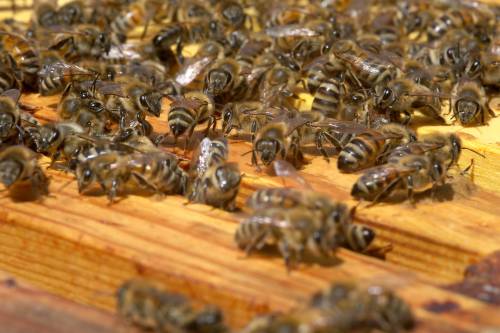
Manitoba honey industry buzzing as U.S. tariff clock ticks
5 minute read Preview Monday, Aug. 17, 2026
Trustees call for e-scooter safety education
3 minute read Preview Monday, Aug. 17, 2026
City emergency crews to administer drug that stops opioid withdrawal symptoms
5 minute read Preview Monday, Aug. 10, 2026First Nations need co-ordinated health care
5 minute read Monday, Aug. 10, 2026In November 2025, Garden Hill Anisininew Nation declared a state of emergency. The threat was not wildfire or flood. The reason was hepatitis A, a vaccine-preventable liver infection spread through contaminated water, food and close contact.

Rise of computer program Lean has changed the field of mathematics — and how we assess the truth
5 minute read Preview Saturday, Aug. 8, 2026
Survey of Jewish university students finds widespread antisemitism on campuses
4 minute read Preview Thursday, Aug. 6, 2026
Shopify’s AI tools triple traffic, lift Q2 profits and revenue
3 minute read Preview Saturday, Aug. 29, 2026
Climate change threatens events we wait for all year
4 minute read Preview Saturday, Aug. 1, 2026