Keystone moments For Manitoba Day, a timeline of significant historical events
Read this article for free:
or
Already have an account? Log in here »
To continue reading, please subscribe:

Digital Subscription
One year of digital access for only $205*
- Enjoy unlimited reading on winnipegfreepress.com
- Read the E-Edition, our digital replica newspaper
- Access News Break, our award-winning app
- Play interactive puzzles
*First annual payment billed as $205.00 + GST for one year. This annual subscription will automatically renew at $233.00 + GST every 52 weeks (10% off the regular annual price of $259.35). Offer available to new and qualified returning subscribers only. Cancel any time.
To continue reading, please subscribe:
Add Free Press access to your Brandon Sun subscription for only an additional
$1 for the first 4 weeks*
- Enjoy unlimited reading on winnipegfreepress.com
- Read the E-Edition, our digital replica newspaper
- Access News Break, our award-winning app
- Play interactive puzzles
*Your next Brandon Sun subscription payment will increase by $1.00 and you will be charged $17.95 plus GST for four weeks. After four weeks, your payment will increase to $24.95 plus GST every four weeks.
Read unlimited articles for free today:
or
Already have an account? Log in here »
Hey there, time traveller!
This article was published 07/05/2021 (1978 days ago), so information in it may no longer be current.
In recognition of Manitoba Day (May 12), the Manitoba Historical Society has compiled the following timeline of notable events from the province’s past.
Circa 1285: A huge meeting of First Nations peoples at the forks of the Red and Assiniboine rivers leads to a peace treaty covering lands across most of western Canada.
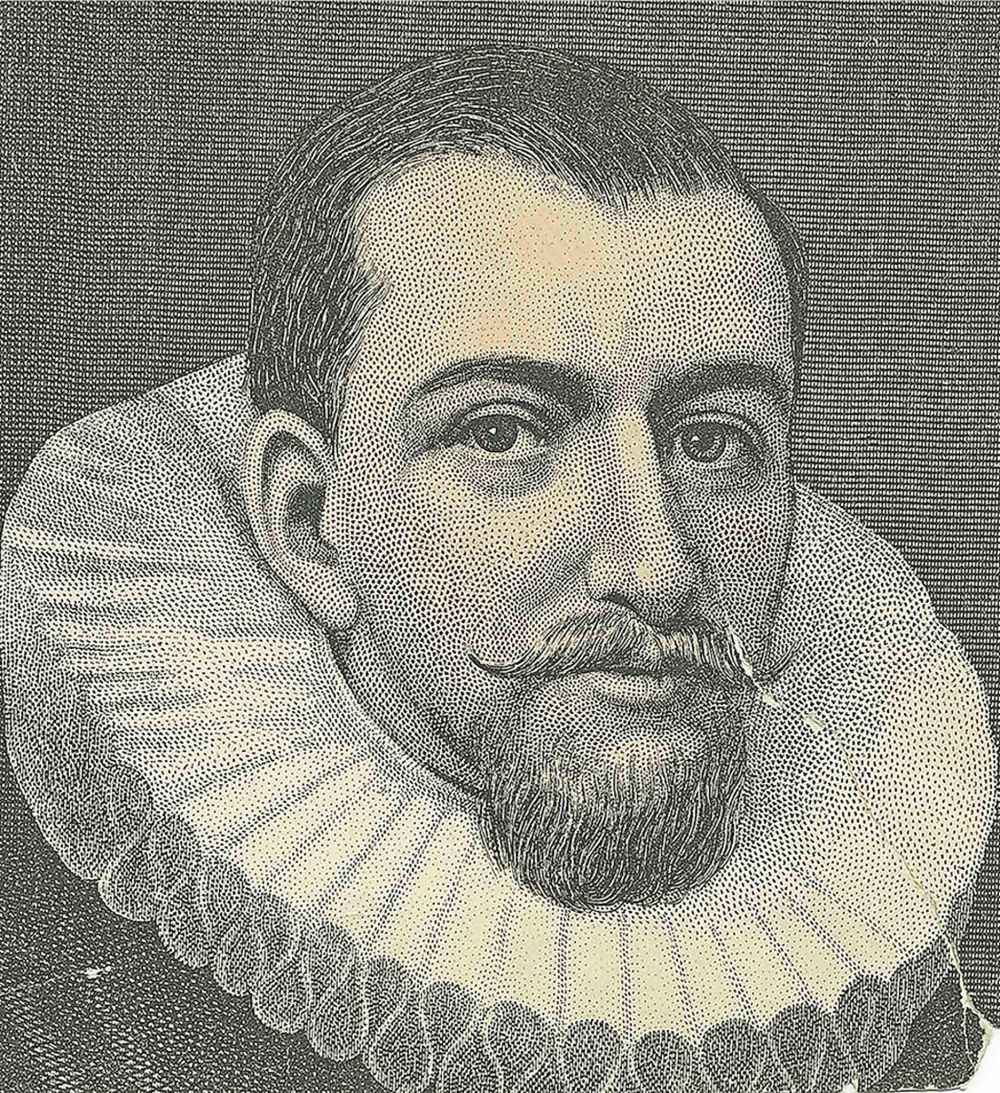
1610: Henry Hudson arrives in Hudson Bay.
1612: Thomas Button arrives at the mouth of the Nelson River where he overwinters before heading north in search of the Northwest Passage.
1619: Jens Munck enters Churchill Harbour, overwintering there and losing 39 of 42 crew to scurvy.
1631: Luke Fox explores the west coast of Hudson Bay.
1668: Radisson and des Groseilliers sail for Hudson Bay on advice of First Nations partners about promising trade opportunities there, but only Groseilliers on the Nonsuch reaches the bay to spend one winter; with the assistance of local Ininíwak, all crew members survive.
1670: Hudson’s Bay Co. (HBC) is incorporated, and its Charter is granted by Charles II.
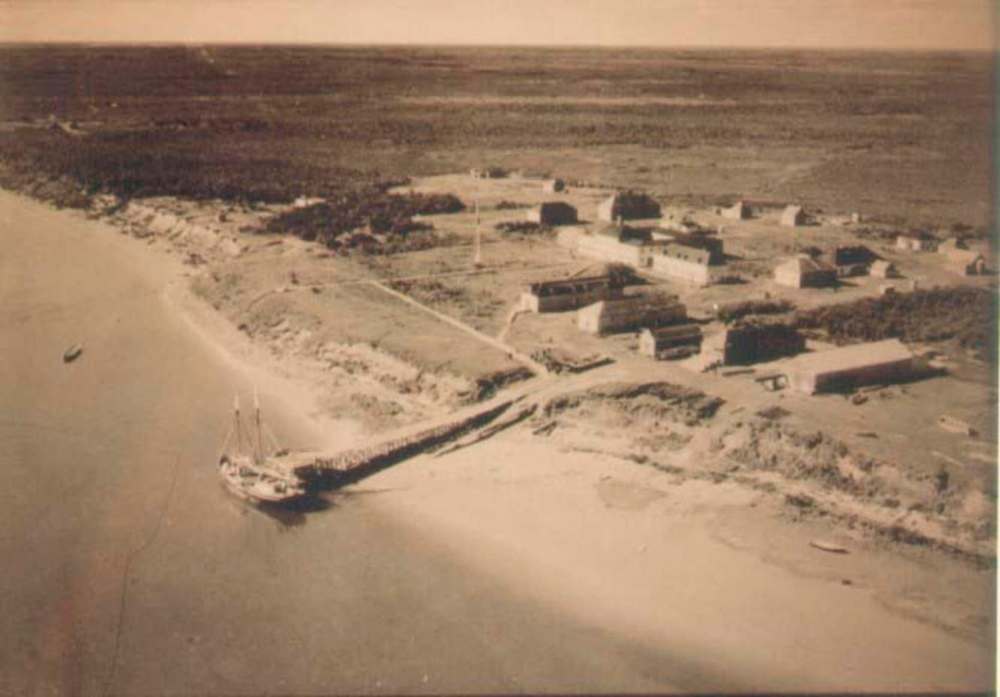
1684: York Factory is founded at the mouth of the Nelson River.
1690: Sixteen-year-old Henry Kelsey joins a First Nations trading family bound for the Prairies and, the following year, is the first European to see vast herds of North American bison.
1697: HBC loses all posts except Fort Albany to the French.
1713: HBC posts returned by Treaty of Utrecht.
1715: Thanadelthur, a Dene Chipewyan woman, negotiates a peace treaty between Dene and Cree peoples in the lands northwest of Hudson Bay. When she dies two years later, at York Fort, governor James Knight writes: “She was … of the Firmest Resolution that I ever see in any Body in my Days and of great Courage.”
1731: La Verendrye sets out for his first journey west, guided by First Nations people.
1738: La Verendrye with the help of his First Nations guides reaches the forks of the Red and Assiniboine rivers.
1741: Founding of Fort Dauphin by eldest surviving son of La Verendrye.
1754: Anthony Henday sets out to explore the interior with help from Cree guides.
1765-66: After the British conquest of New France, Montreal-based traders arrive in the western interior.
1770-72: Dene leader Matonabbee leads an overland expedition, which includes explorer Samuel Hearne from Prince of Wales Fort to the mouth of the Coppermine River on the Arctic Ocean.
1774: Samuel Hearne builds Cumberland House on the Saskatchewan River, the first inland HBC post established to compete with Montreal-based traders.
1780-82: Smallpox epidemic originating in Mexico City in 1779 decimates First Nations populations.
1782: Prince of Wales Fort at the mouth of the Churchill River, under the command of Samuel Hearne, is captured and partially destroyed by a French fleet commanded by Jean François de Galaup, comte de la Pérouse.
1783-84: Montreal fur trade partnerships developed in the 1770s lead to consolidation of the North West Company.
1793: Cuthbert Grant Senior founds a trading post for the North West Company on the Assiniboine River three miles above the Souris River mouth.
● HBC penetrates as far south as the Red and Assiniboine rivers — Brandon House is founded on the Assiniboine three miles above the North West Company’s post.
1797: David Thompson reaches the Souris River.
1797-98: First post established at Pembina by Chaboillez for the North West Company.
1801: Alexander Henry the younger, travelling with Anishinaabe guides on behalf of the North West Company, reaches the forks of the Red and Assiniboine rivers.
1810: Fort Gibraltar established for the North West Company at the forks of the Red and Assiniboine rivers.
1811: HBC grants Assiniboia to Lord Selkirk to establish a colony of displaced Scots.
1812: First Selkirk settlers arrive at Point Douglas, overwinter at Fort Daer.
1814: Pressure on food supplies causes governor Miles Macdonell to issue the “Pemmican Proclamation.”
1815: The explosion of Mount Tambora in Indonesia causes crop failures and bitter weather on the Prairies for two years; Selkirk Settlers overwinter at Pembina, fed by the Métis there, and then return to start again.
1816: Pemmican shortages in Red River cause severe conflict between HBC and Métis free traders at Seven Oaks; one Métis teenager and 21 HBC men die in the conflict.
● Miles Macdonell and half the Selkirk Settlers leave for Ontario with the North West Company while the other half overwinters at Norway House.
1817: Lord Selkirk’s hired Swiss soldiers, the De Meuron regiment, recapture Fort Douglas.
● Lord Selkirk visits Red River and signs a land-sharing treaty with five Indigenous leaders, including Chief Peguis.
1818: Lord Selkirk helps to bring the first Roman Catholic missionaries, including Father Provencher, to the Selkirk settlement and their church is established at St. Boniface.
1820: First Anglican missionary, John West, arrives at Selkirk settlement and establishes the first school in Red River.
1821: Amalgamation of the North West Company and HBC brings the fur trade war to an end.
● Population of Red River begins to grow exponentially after retired fur traders and their families move to the area.
1822: Fort Gibraltar renamed Fort Garry honouring Nicholas Garry who came from London to supervise the reorganization of the new company.
1823: Much of the Pembina Métis community relocates to the White Horse Plains and St. Boniface.
1824: St. John’s, the first Anglican church, built.
Métis leader Cuthbert Grant founds Grantown (now St. Francois Xavier) on the White Horse Plain.
1826: Great flood almost destroys the Selkirk Settlement, causing many settlers to leave.
● George Simpson appointed acting governor-in-chief of Rupert’s Land.
● First St. Andrew’s Anglican Church near Lockport is erected.
1826-27: Exodus of De Meuron, among them artist Peter Rindisbacher, from Red River following the flood.
1832: Depot Building at York Factory is constructed, at the time one of the largest buildings in North America, being today the province’s oldest surviving wooden building.
1834: HBC purchases and takes over the colony in Assiniboia, Selkirk settlement, from the heirs of Lord Selkirk.
1835: First meeting of reorganized Council of Assiniboia.
● Peguis and William Cockran agree to develop a First Nation agricultural settlement at St. Peters.
1835-37: Upper Fort Garry is constructed.
1839: George Simpson appointed Governor of Rupert’s Land.
● First “Recorder” (jurist) appointed for Assiniboia.
1840: Reverend James Evans, first Methodist missionary to the West, arrives at Norway House.
1844: Louis Riel is born at St. Boniface.
● Trade with St. Paul, Minn., opens.
● First contingent of Grey Nuns arrives at St. Boniface.
● Kittson’s trading post at Pembina threatens the HBC monopoly.
1845: Archbishop Taché arrives at St. Boniface.
1846: Arrival of British troops who were to be stationed in the colony.
● Construction of Lower Fort Garry is completed.
● Construction of a residence for the Grey Nuns, the first oak house built in Western Canada, begins (it is still standing today, the oldest building in the city).
1849: Louis Riel Sr. organizes to secure the acquittal of Pierre Sayer for trading against the HBC monopoly, effectively confirming the inhabitants’ right to free trade.
1850: Métis bison hunters from Red River gain control of hunting from the Dakota at the Battle of Grand Coteau on the Souris plains not far from Turtle Mountain.
● First editorial in George Brown’s Toronto Globe calls for Canadian annexation of HBC territories.
1851: John Black, the settlement’s first Presbyterian minister, arrives in the West.
● William Cockran begins the settlement at Portage la Prairie.
1852: The Red River Settlement is severely affected by one of the largest Red River floods in recorded history.
● Kildonan Presbyterian Church is built.
1855: First post office in the West is opened with William Ross as postmaster.
1856: Alexander Ross publishes his history The Red River Settlement.
1857: Great Britain’s Select Committee of Inquiry instigates the first step in the Canadian takeover of Rupert’s Land.
1857-58: Expeditions by Henry Youle Hind and John Palliser survey the land and resources of the West.
1857-61: Royal Canadian Rifles are sent to Red River to protect it from potential American incursions while Métis lawyer Alexander K. Isbister campaigns in the United Kingdom against HBC control of the residents at Red River.
1858: A two-storey stone building overlooking the Red River north of Winnipeg is constructed as a private school run by Matilda Davis for the daughters of fur traders.
1859: First steamboat, the Anson Northup, arrives at Upper Fort Garry, one of its passengers being Henry McKenney who establishes the Royal Hotel, the first hostelry in Manitoba.

● First issue of the Nor’Wester newspaper is published at Winnipeg.
1860: John C. Schultz, falsely claiming to be a doctor, arrives in Red River to campaign for the West’s absorption into the province of the Canadas.
1863: A large number of Dakota peoples arrive in Assiniboia fleeing the Sioux Wars, a conflict between the Dakota and the US Army in Minnesota and Wisconsin.
1867: The British North America Act specifically mentions Canada’s intention to acquire the Northwest.
1868: A plague of large grasshoppers in Red River leads to famine in the settlement.
● Construction of the Dawson Road, to link Canada and Red River, begins.
1869: Without Indigenous consultation or consent, Canada, Great Britain and the HBC agree to the transfer of Rupert’s Land and the Northwest to Canada for £300,000 and one twentieth of the arable land in the fertile belt, plus land around existing posts and a few other lesser concessions.
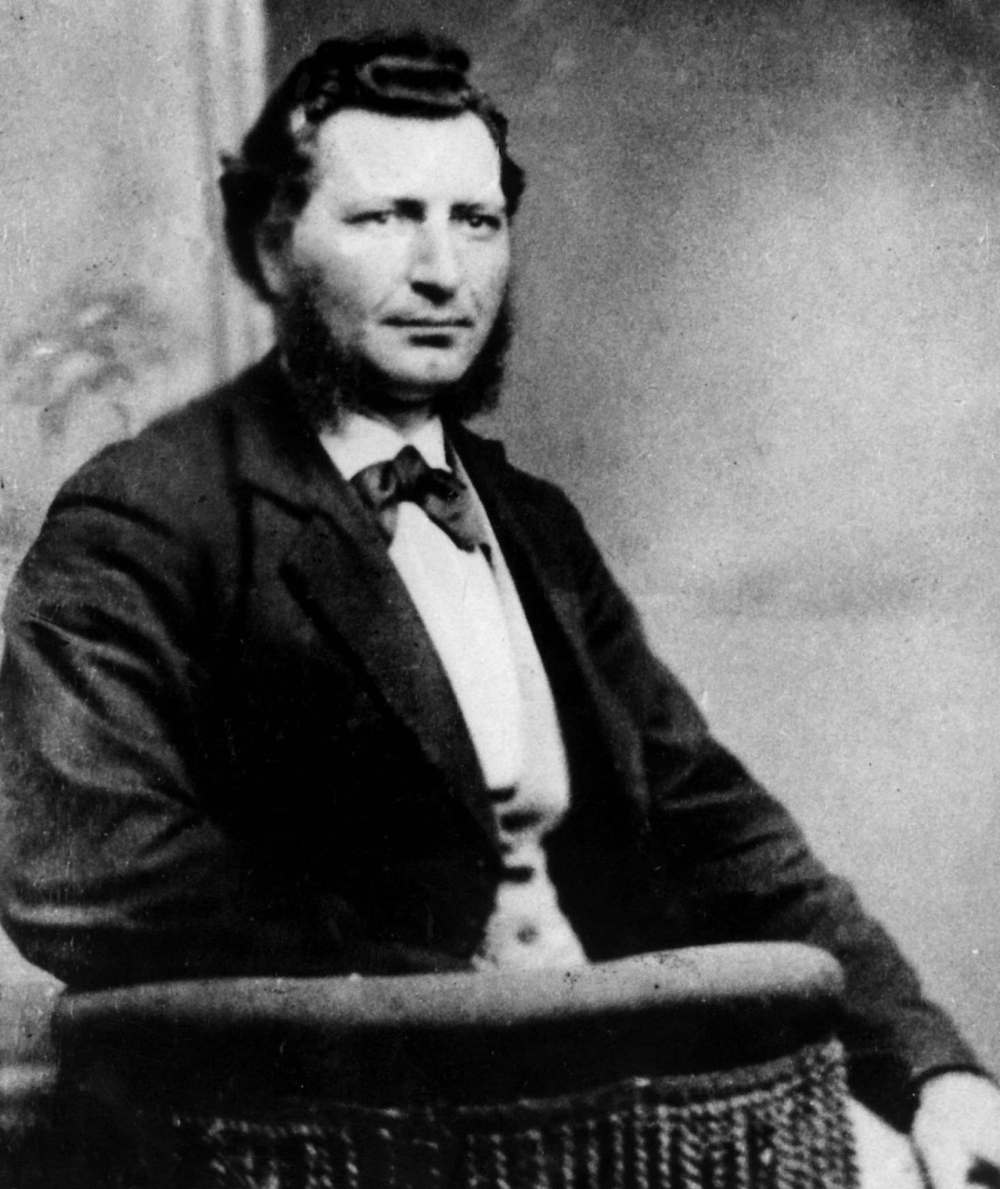
1869-70: Resisting Ottawa’s attempt to unilaterally annex Red River, Louis Riel seizes Upper Fort Garry and declares a Provisional Government.
1870: Manitoba becomes the first new province in the Dominion of Canada with the passage of legislation in the Canadian parliament and acceptance of these terms by the Legislative Assembly of Assiniboia.
● Canadian forces under Garnet Wolseley chase Louis Riel out of Red River and instigate a two-year reign of terror in which much of the pre-1870 Métis community flees.
● The first lieutenant-governor, Adams George Archibald, arrives.
● Election for the first Legislature of Manitoba, which passes legislation establishing French language and school rights in the province.
1871: Treaty 1 is signed at Lower Fort Garry between the Crown and the Anishinaabe and Swampy Cree peoples of southern Manitoba.
● Treaty 2 is signed at Manitoba House by the Crown and Anishanaabe peoples.
● First session of the first Manitoba Legislature opens.
● Attempted Fenian raid at Fort Daer.
● First public school opens in Winnipeg.
● First telegram sent from Manitoba.
● Grey Nuns open the first St. Boniface Hospital, a modest building with four beds.
1872: First issue of the Manitoba Free Press, predecessor of today’s Winnipeg Free Press, appears.
A lumber planing mill is established at Point Douglas by Brown & Rutherford (the business is still operating there today).
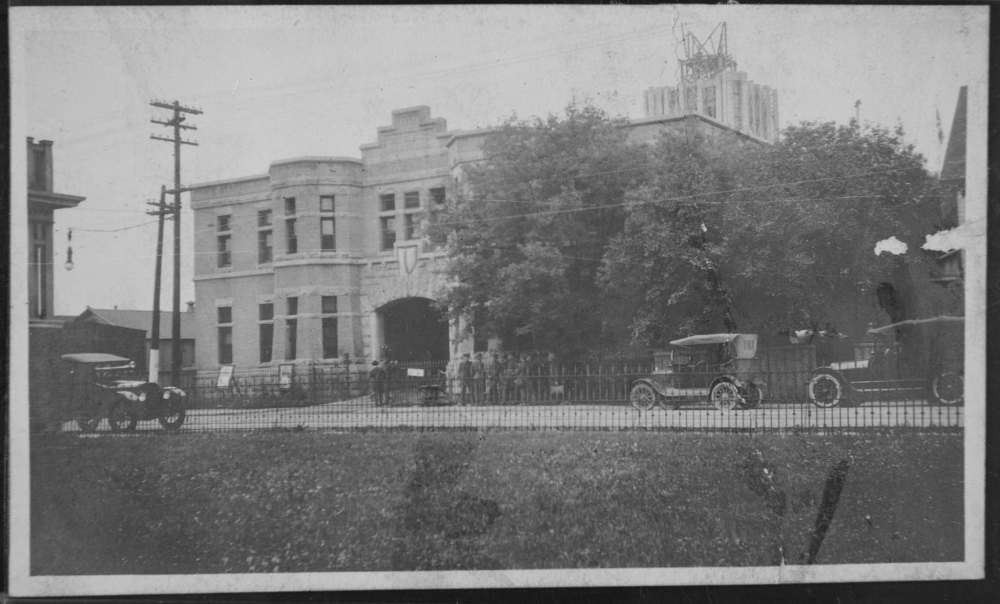
● Fort Osborne Barracks are built at the site of the present Legislative Building.
1873: First gas-fuelled streetlight in Winnipeg.
Act establishing the North West Mounted Police, predecessor of the Royal Canadian Mounted Police, is passed.
● City of Winnipeg is incorporated.
● The province’s first rural municipality, Springfield and Sunnyside, is incorporated.
1874: First party of Mennonites arrives from Russia (now Ukraine).
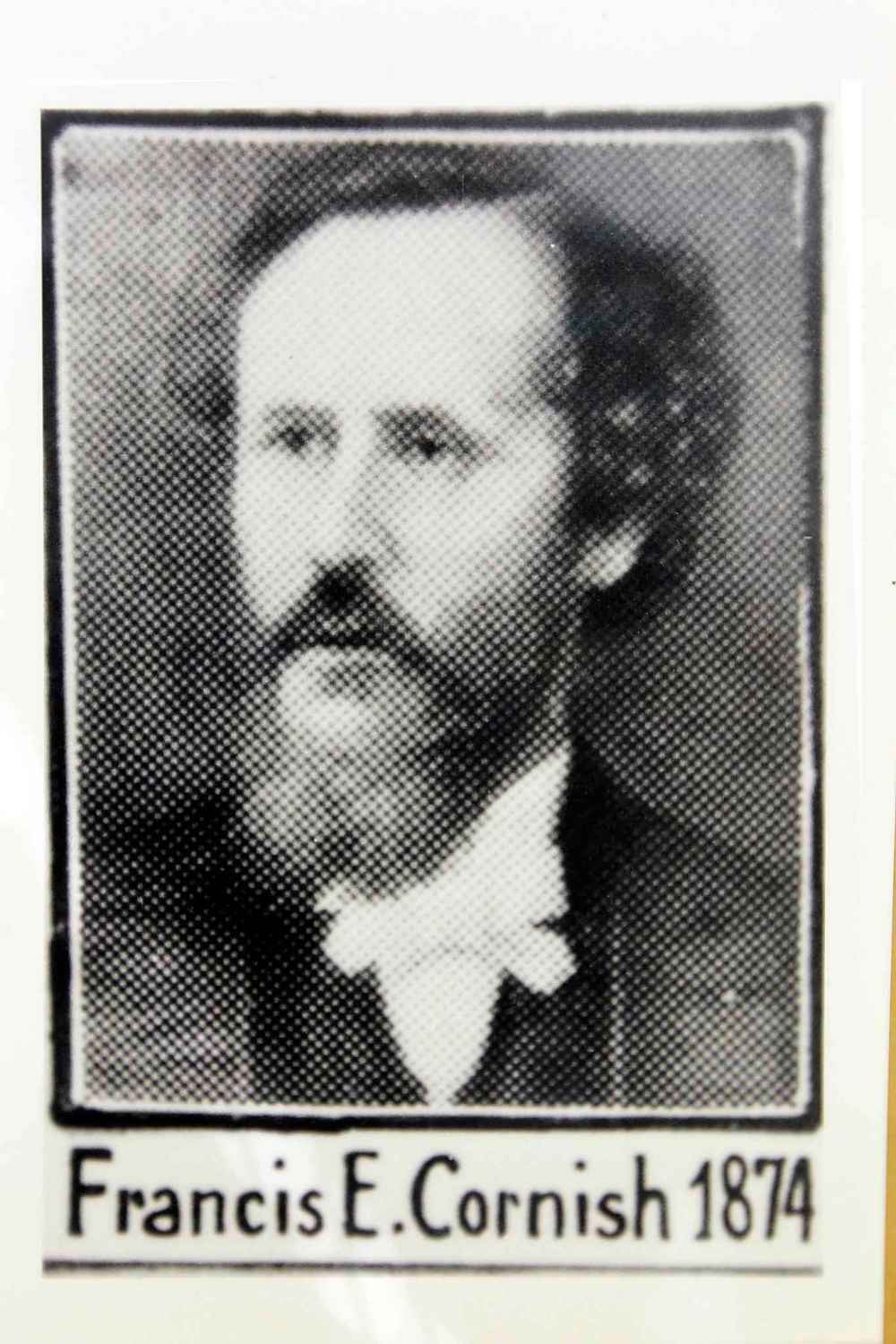
● At a civic election, Francis Cornish is proclaimed first mayor of Winnipeg.
● Lake St. Martin Indian Residential School, first such facility in Manitoba, opens.
1875: First Icelandic party of settlers arrives, inadvertently bringing a smallpox epidemic to residents on the west side of Lake Winnipeg.
1876: Legislative Council of Manitoba, the second chamber in Manitoba’s parliament, is abolished for financial reasons.
● First commercial export of wheat from Manitoba to a mill at Toronto.
● Manitoba Curling Club is formed.
1877: University of Manitoba receives its Charter.
Law Society of Manitoba is formed.
● First steam locomotive, the Countess of Dufferin, arrives at St. Boniface aboard a barge towed up the Red River.
● First shipment of wheat to an Ontario branch of the Ogilvie Milling Company, which establishes its own large-scale milling operation at Winnipeg in 1881.
● First Jewish immigrants settle permanently in Manitoba.
1878: Completion of a railway between St. Boniface and St. Paul, Minn., establishes the first rail outlet between the Canadian Prairies and eastern North America.
● John Norquay becomes Manitoba’s first Métis premier.
● First telephone exchange installed in Winnipeg by telegraph operator Horace McDougall.
1879: First mail to travel by train leaves Winnipeg.
● Historical and Scientific Society of Manitoba is founded.
● Manitoba’s oldest law firm that eventually becomes MLT Aikins is founded.
● Town of Emerson is incorporated.
1880: The Canadian Pacific Railway syndicate is formed and a deal is struck with John A. Macdonald’s government to build Canada’s first transcontinental railway.
1881: Boundaries of Manitoba are extended westward and northward.
● Contract for building the Canadian Pacific Railway is signed.
● First CPR train crosses the Louise Bridge; Winnipeg outbids Selkirk for the railway crossing of the Red River, making it the centre of all future railway development in Manitoba and western Canada.
● Charlotte Ross, Manitoba’s first female doctor, begins practising at Whitemouth.
● The first union local is formed in Winnipeg: the Amalgamated Society of Carpenters and Joiners.
1881-82: Great land boom in Winnipeg and Manitoba.
1882: City of Brandon is incorporated, and the Brandon Agricultural Society is formed, leading to the first of what would become the Manitoba Summer Fair and eventually the Manitoba Winter Fair in 1912.
● First electric light appears on Main Street in Winnipeg.
● The walls of Upper Fort Garry are demolished.
● The arrival of 340 Jewish refugees from Tsarist Russia lays the foundation for Winnipeg’s Jewish community.
1883: Winnipeg General Hospital, forerunner of today’s Health Sciences Centre, gets a permanent site.
● Standard time is adopted throughout the province.
● First Assembly of the Knights of Labour is established in Winnipeg leading to establishment of the Winnipeg Trades and Labour Council the following year.
● Farmers’ Protective Union of Manitoba is formed.
1884: First block of pavement laid in Winnipeg.
Children’s Home of Winnipeg is established by the Christian Woman’s Union.
● Manitoba loses the Manitoba-Ontario border dispute and the present-day boundary at Lake of the Woods is established.
● Journalist John P. Robertson is appointed the first Legislative Librarian of Manitoba.
1885: North-West Rebellion.
● Louis Riel is executed at Regina and buried in the St. Boniface Cathedral Cemetery.
● Women are first allowed to vote in municipal elections.
● Commercial fishers ship more than 154,000 kilograms of Manitoba fish to markets as far away as New York and Chicago.
● The first charter to build a railway to Hudson Bay is issued.
1887: Winnipeg Press Club is formed, now the oldest media club in Canada.

● Winnipeg Grain and Produce Exchange, which later became the Winnipeg Grain Exchange, is formed.
● Premier Norquay is forced to resign over railway matters.
1888: The CPR’s monopoly clause is abandoned, opening the way for some railway competition.
● The Brandon Experimental Farm is established to research new agricultural methods and products for the Prairies.
1889: First curling bonspiel is held in Winnipeg.
● First golf course in Manitoba opens at Stony Mountain.
● Beginning of the Manitoba Schools Question; agitation begins to end the dual Catholic and Protestant education system called for in the Manitoba Schools Act of 1871.
1890: Manitoba Legislature abolishes French as an official language in the province.
● With the contentious Manitoba Schools Question, the dual system of publicly-funded Roman Catholic and Protestant schools established under the Manitoba Act of 1870 is abolished.
1892: First party of Ukrainian settlers reaches Winnipeg.
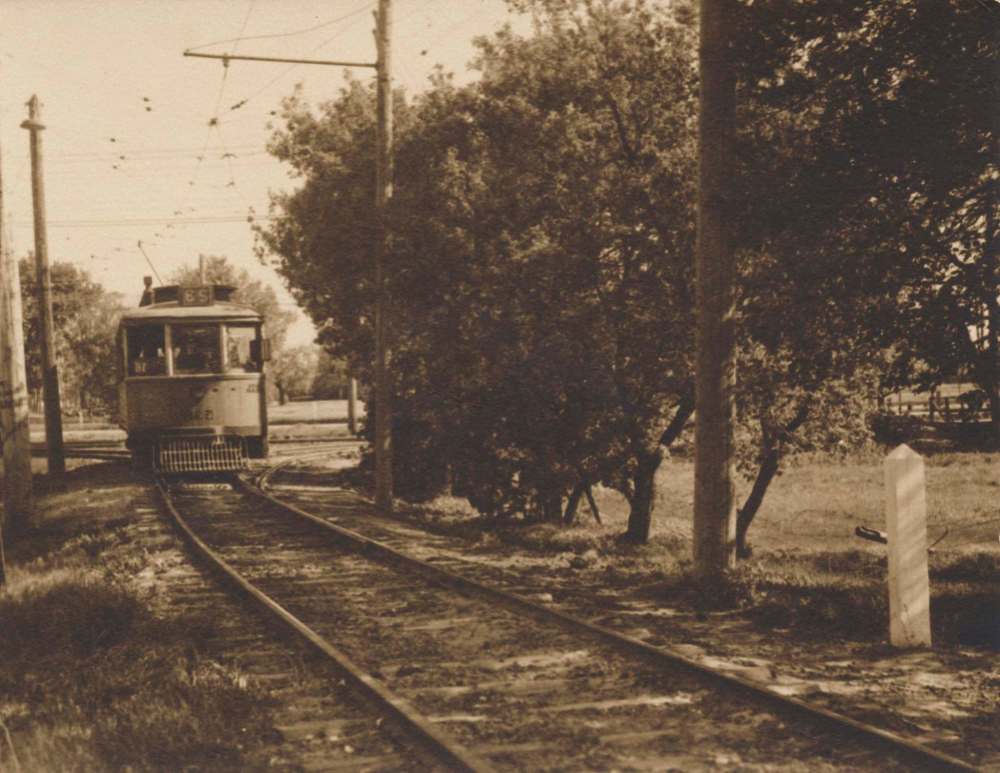
● First electric street cars in Winnipeg.
● The first of three referendums on Prohibition is held in Manitoba, with overwhelming support for it, but no action is taken.
● The original All People’s Mission is established in the North End of Winnipeg to assist new immigrants.
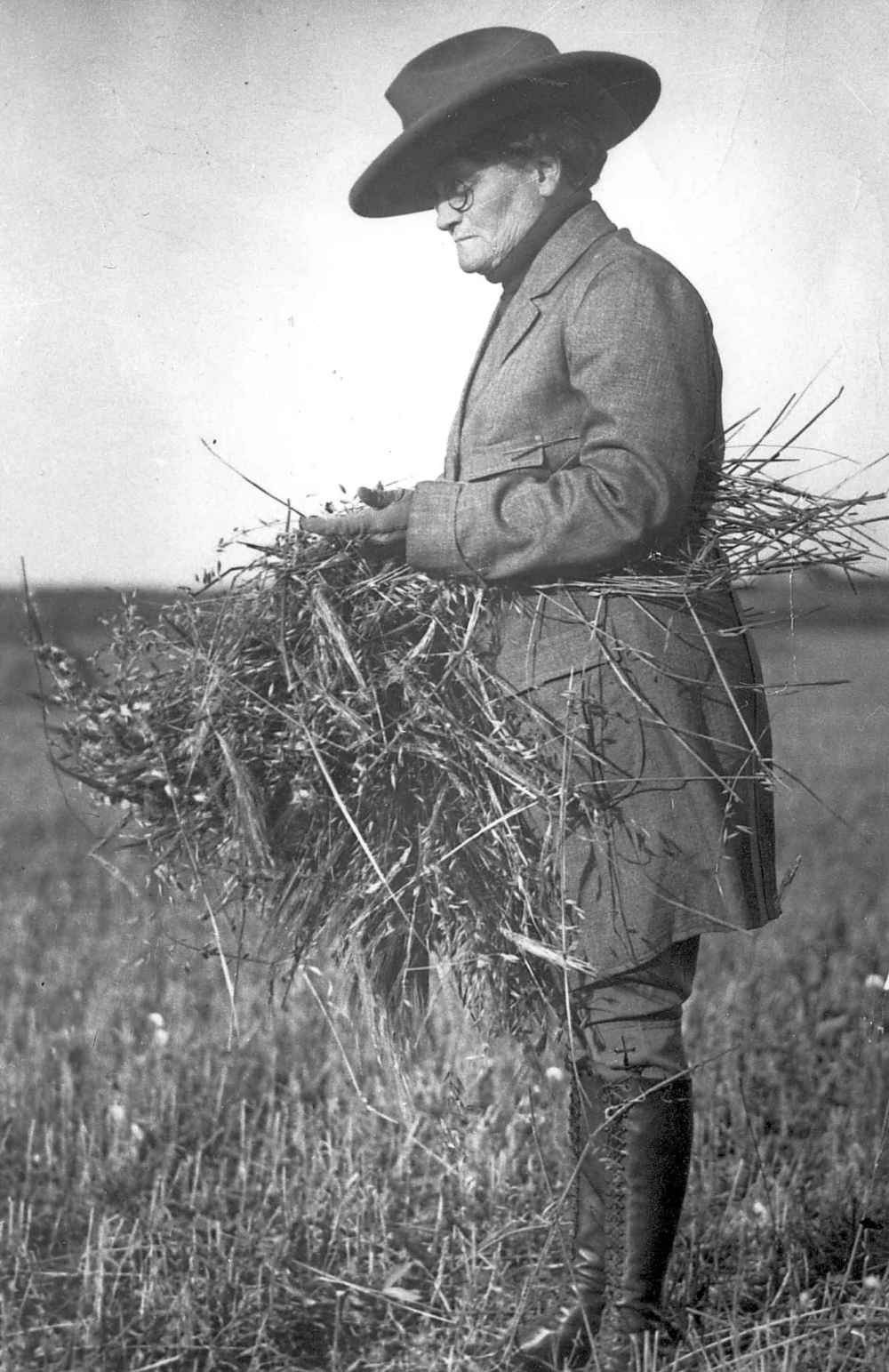
1893: E. Cora Hind publishes her first pieces in the Manitoba Free Press, starting a journalistic career that would see her become the most influential agricultural reporter in Canada.
1894: Women’s Musical Club of Winnipeg is formed.
● Manitoba Equal Franchise Club, predecessor to the Political Equality League, is founded to lobby for female suffrage.
1896: Twenty farmers at Wawanesa invest $20 each and the Wawanesa Mutual Insurance Company is formed.
● Charles Hislop, first Labour member of the Winnipeg city council is elected.
● Winnipeg Victorias capture the Stanley Cup.
● William Mackenzie and Donald Mann begin work on the first section of what would become the Canadian Northern Railway, from Gladstone to Dauphin.
1897: A compromise is reached between prime minister Wilfrid Laurier and premier Thomas Greenway that partially resolves the contentious issue of religious schooling in Manitoba and opens another source of conflict, bilingual and multilingual instruction in schools.
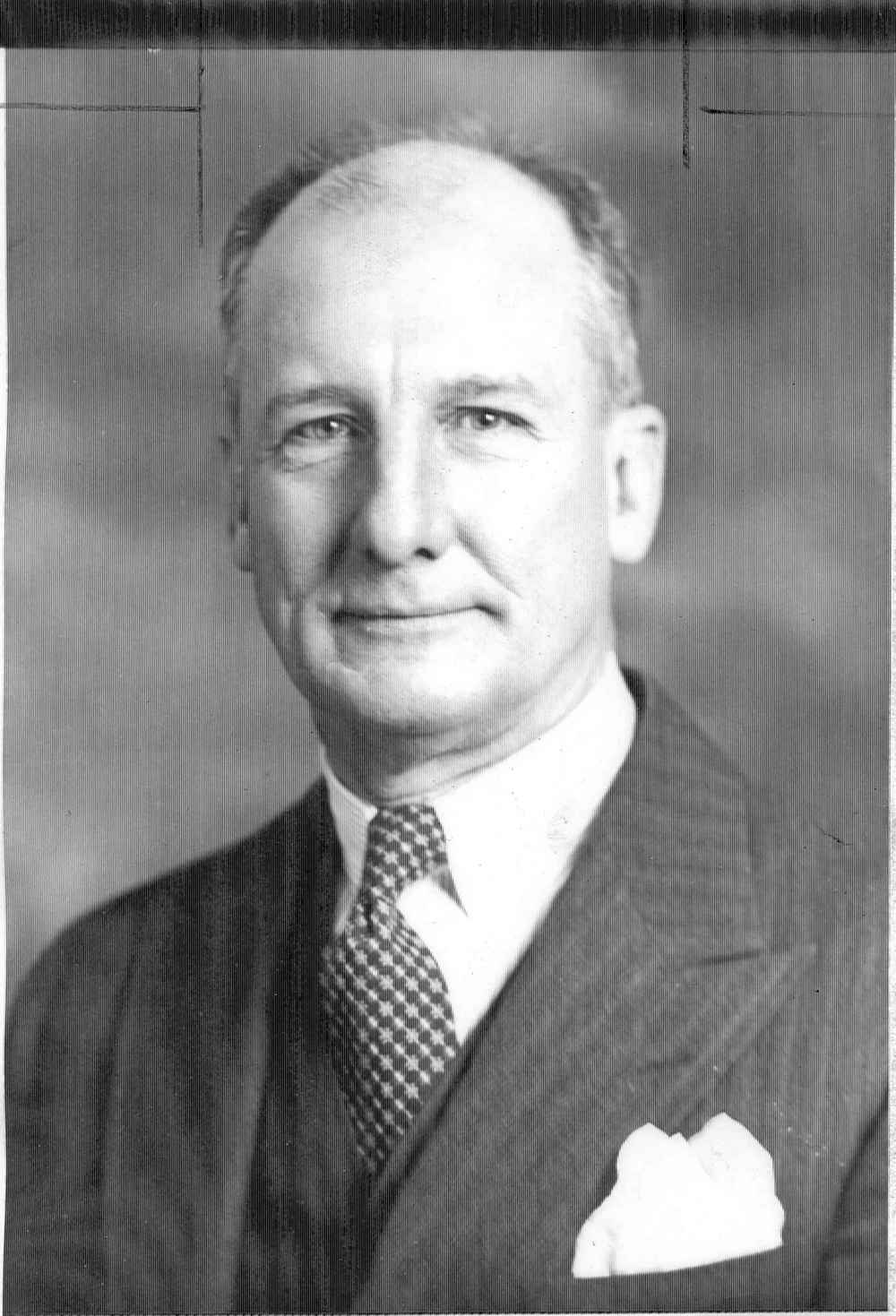
● Immigration policy of Clifford Sifton opens up Manitoba and the West to eastern and central European immigrants.
1898: Neepawa becomes the first municipality in North America to own its telephone system.
● Margaret Scott begins her work as an urban missionary in Winnipeg, leading to establishment of the Margaret Scott Nursing Mission.
1899: Brandon College, predecessor of Brandon University, is established and chartered two years later.
● First school for bilingual (French and English) teachers is established at St. Boniface to meet the requirements of the Laurier/Greenway Compromise.
1900: Winnipeg Philatelic Society, the oldest in western Canada, is formed.
Brandon becomes the first municipality in Manitoba to generate hydroelectric power.
● Hundreds of Manitobans enlist in the Strathcona Horse, a volunteer unit in the Second Boer War.
● Rodmond P. Roblin becomes premier of Manitoba.
● In a federal by-election, Arthur Puttee, editor of the paper the Voice, is elected to Parliament on a Labour platform.
1901: First motor car, owned by Edgar Boteler Kenrick, appears on the streets of Winnipeg.
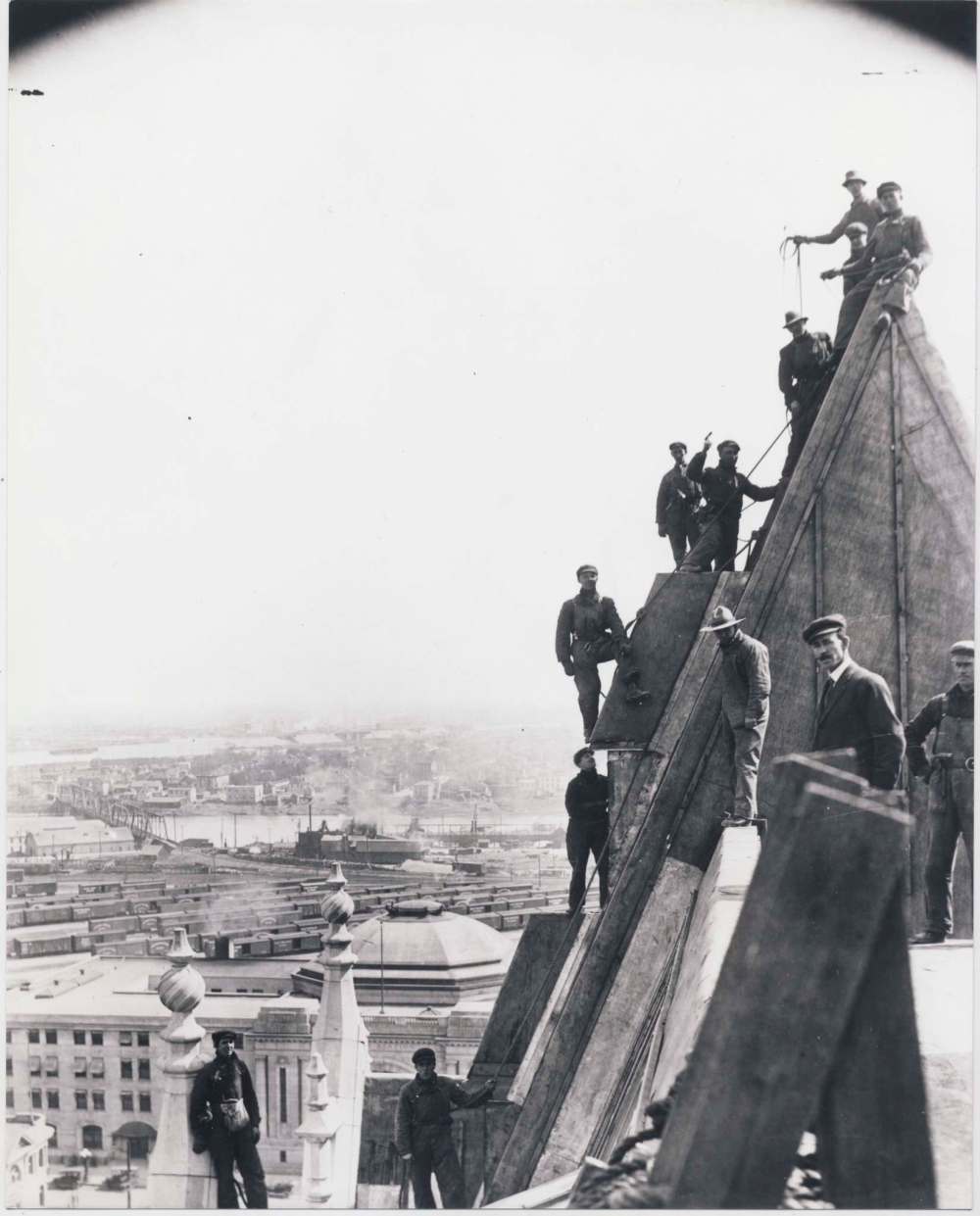
1902: Photographer Lewis B. Foote arrives in Winnipeg and goes on to take numerous iconic views of the city.
1903: Farmers meet at Virden to form the Manitoba Grain Growers Association.
1904: Construction of the Union Bank Building, the first skyscraper in western Canada, is completed.
● First group of science professors is hired to teach at the University of Manitoba.
1905: Winnipeg’s first public library opens on William Avenue.
Union of Manitoba Municipalities, predecessor of today’s Association of Manitoba Municipalities, is formed at a meeting in Brandon.
● Overfishing of Lake Manitoba prompts the federal government to close it to summer commercial fishing, a prohibition that continues today.
1906: Winnipeg street cars begin to run on Sunday.
● Department store of Timothy Eaton Company opens in Winnipeg.
● Alpine Club of Canada is founded at Winnipeg.
● Grain Growers Grain Company (predecessor of United Grain Growers) is incorporated and, the following year, it attempts to get a seat on the Winnipeg Grain Exchange.
● A strike against the Winnipeg Street Railway Company draws massive public support.
● The first hydroelectricity from Pinawa reaches Winnipeg.
1907: The telephone system is purchased by the Manitoba government.
● Members of the St. Peter’s Band (today’s Peguis First Nation) suffer the illegal surrender of their reserve along the Red River and are forced to move 160 kilometres north to a new reserve in the northern Interlake.
● Alexandre Ayotte arranges for 750 bison to be moved from Montana to Alberta and from there across the West, including to Manitoba.
● J.S. Woodsworth is appointed superintendent of the All People’s Mission.
● The Lord’s Day Act that aimed to make Sunday a “day of rest” in which no performance, event, or public meeting in which admission is charged, comes into effect. Following a legal challenge, it is repealed in 1985.
● Winnipeg Stock Exchange is incorporated.

● Walker Theatre, home to many of Winnipeg’s most important theatrical productions and mass political meetings, formally opens its doors.
● Knowles Home for Boys is founded.
● First schools for bilingual teachers (Ukrainian-English and Polish-English) are established in Brandon and Winnipeg.
● Representatives of the three main Winnipeg newspapers meet and establish what is later known as the Canadian Press.
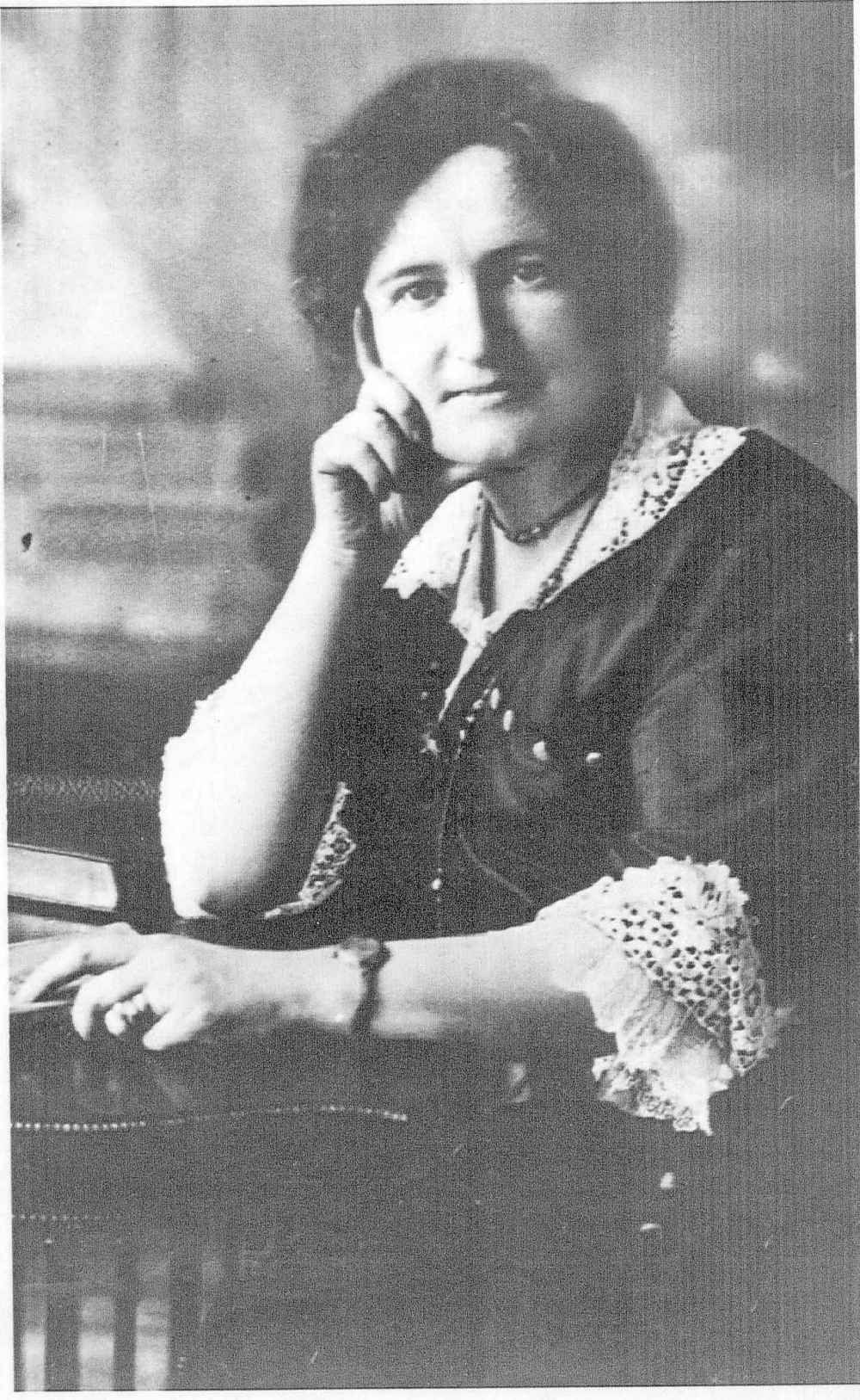
1908: Feminist Nellie McClung comes to prominence with the publication of her best-selling novel Sowing Seeds in Danny.
● Mackenzie and Mann’s Canadian Northern Railway reaches The Pas.
1909: Official opening of Assiniboine Park in Winnipeg after the first land acquisition in 1904.
● Charles Gordon, minister of St. Stephen’s Presbyterian Church, publishes the novel The Foreigner supposedly based on the Slavic peoples living in Winnipeg’s North End.
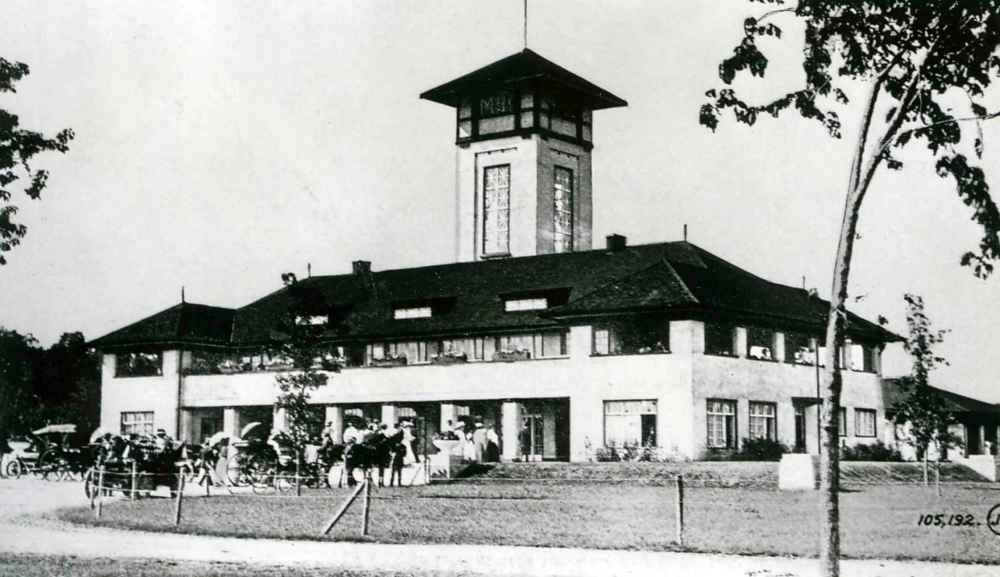
1910: First boat passes through the St. Andrew’s Lock near Lockport.
Construction begins of two technical high schools in Winnipeg: Kelvin and St. John’s.
● First Women’s Institute is formed, at Morris.
● Manitoba Government Elevators is created by the Roblin administration as a means to help farmers market their grain.
● First tuberculosis patient is admitted to the Ninette Sanatorium.
● Passage of Manitoba’s first Workman’s Compensation Act.
1911: First publicly-owned hydroelectric development comes from Pointe du Bois, challenging the monopoly of the Winnipeg Electric Street Railway Company.
● The federal government announces it will continue construction of the Hudson Bay Railway from The Pas in 1912 and a boom commences.
● Scottish machinist R.B. Russell arrives in Winnipeg and will emerge as a leader of the Winnipeg General Strike and the One Big Union movement.
1912: New boundaries of Manitoba are announced, extending to their present extent.
● Winnipeg Art Gallery is established.
● Political Equality League is founded to fight for female suffrage.
1913: Construction begins on an aqueduct from Shoal Lake to supply Winnipeg with a pure source of water, on land taken from the Anishanaabe people of Shoal Lake 40.
● Fort Garry Hotel opens its doors.
● First Boys and Girls Club (later known as 4H) in Canada is formed at Roland.
● Construction of the new Legislative Building commences.
● Economic recession sets in, wheat market drops, real estate prices fall, construction slows, causing widespread unemployment in most of Manitoba.
● Richard Rigg becomes Winnipeg’s first socialist city councillor and, the following year, Manitoba’s first socialist MLA.
1914: Contracts are signed to construct the entire Hudson Bay Railway.
● Maude Bissett becomes the first woman to teach at the University of Manitoba, instructing in Greek and Latin until 1920.
● Nellie McClung and the Political Equality League stage a mock parliament satirizing premier Roblin and his Conservatives for their position on female suffrage.

● The British Empire goes to war and thousands of Manitobans volunteer to serve in the Canadian Expeditionary Force.
1915: Melrose Sissons of Portage la Prairie is called to the Bar, becoming the province’s first woman lawyer.
● Copper-zinc deposits that would become the core of Hudson Bay Mining and Smelting Company operations at Flin Flon are claimed by Tom Creighton and his prospecting partners.
● The Roblin administration falls over the Legislative Building scandal and T. C. Norris becomes premier.
● A tree nursery is established at the future site of the Morden Experimental Farm.
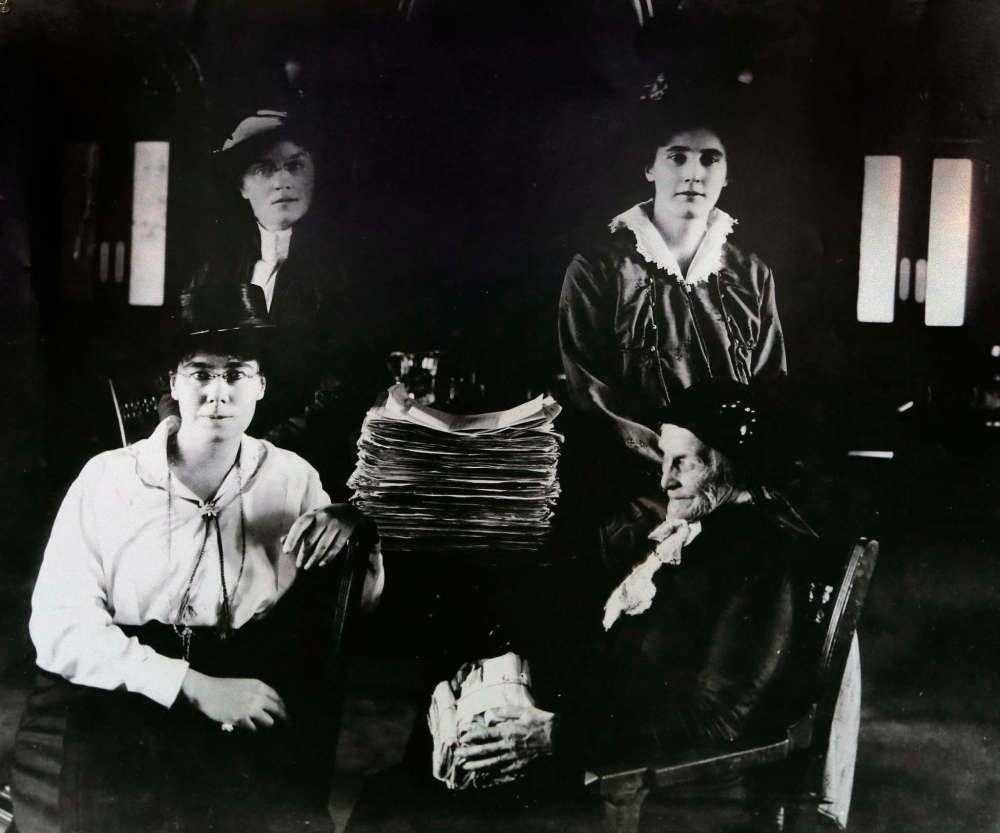
1916: Women’s Suffrage Bill is given third reading in the Manitoba Legislature, leading to the right of some Manitoba women to vote, a Canadian first.
Compulsory Education Act comes into force.
● Mandy Mine at Schist Lake, Manitoba’s first copper mine, begins sending its high-grade ore to British Columbia for processing.
● Manitoba Temperance Act is passed and Prohibition begins.
● Changes to the School Act bring an end to bilingual education in Manitoba.
1918: Ban on public meetings owing to a world-wide flu epidemic.
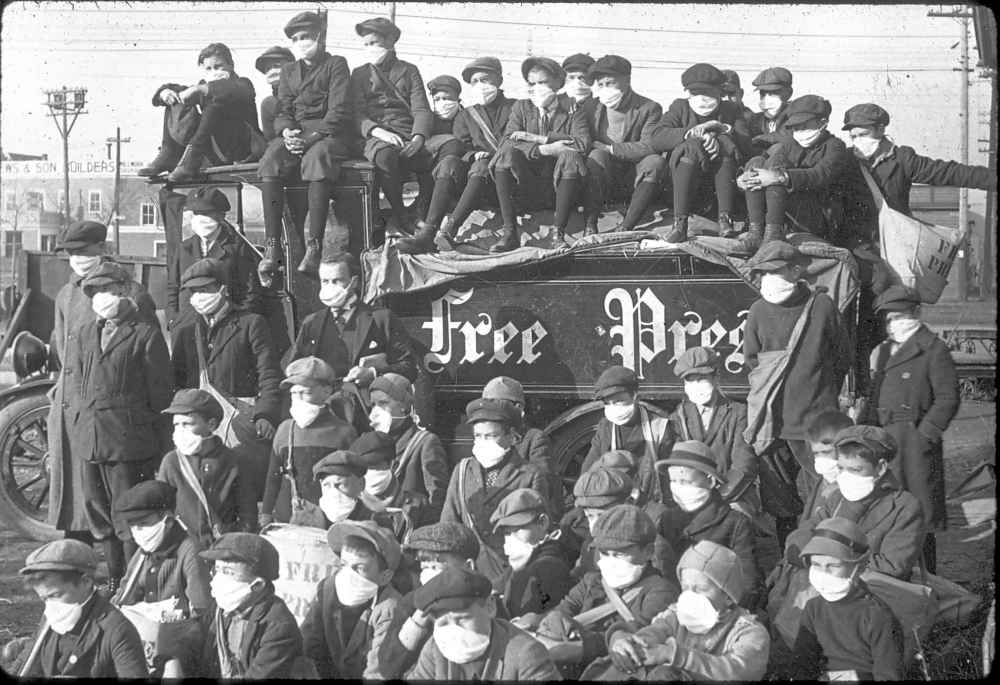
Armistice Day concludes the First World War.
● Broad public sympathy for a strike by civic workers contributes to formation of the Citizens Committee of 100 to oppose the strike.
● First permanent Hutterite colony in Manitoba is founded in the Rural Municipality of Cartier.
1919: Opening of the first Manitoba Musical Festival.
● Winnipeg General Strike — the largest and longest (six weeks) general strike in North American history.
● Returned veterans and assorted hooligans rampage through Winnipeg’s North End looking for “foreigners, socialists and aliens” to attack and force to kiss the Union Jack.
● Ukrainian Labour Temple opens and is promptly raided by the RCMP.
● Aqueduct bringing Shoal Lake water to Winnipeg is completed.
1920: Manitoba Grain Growers Association is reorganized as the United Farmers of Manitoba, an important step towards direct political action by farmers.
● Manitoba’s new scandal-plagued legislature building opens.
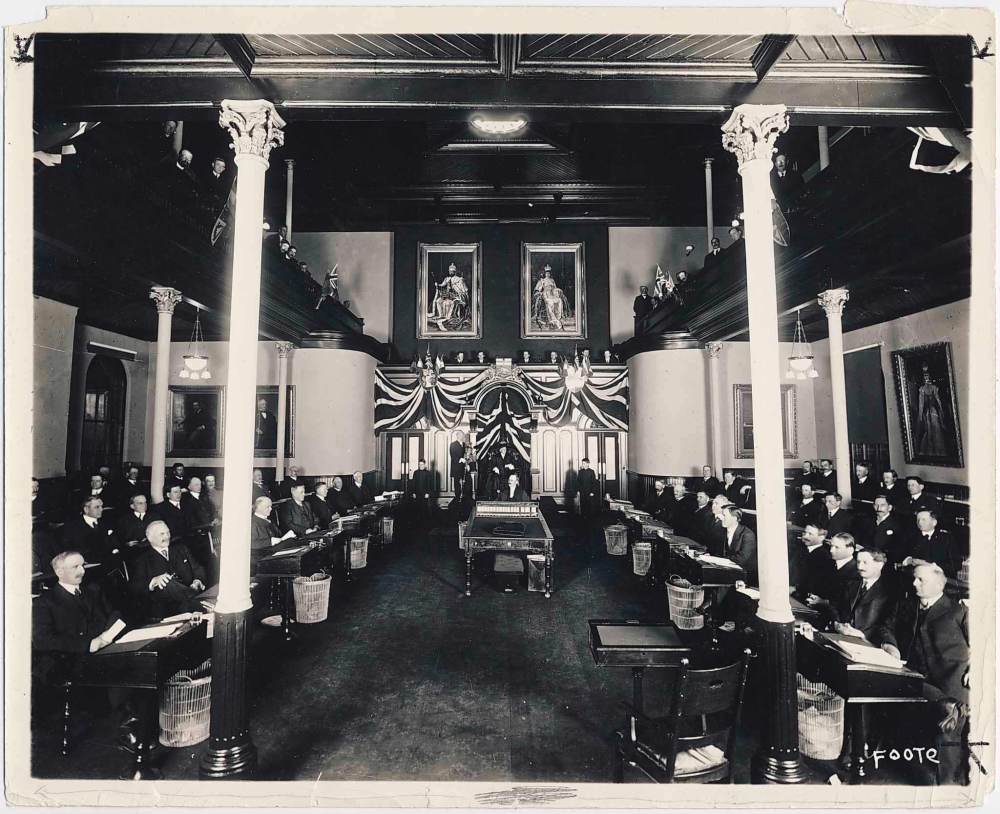
● First provincial general election where proportional voting is used to select 10 members for the Winnipeg constituency.
● Edith Rogers becomes the first woman, and the first of Métis heritage, to be elected to the Manitoba Legislature.
● A 100-kilometre transmission line from Winnipeg to Portage la Prairie is powered up to begin bringing electricity from the Winnipeg River to towns in southern Manitoba.
1921: The Winnipeg Foundation is established.
● Jessie Kirk becomes the first woman elected to the Winnipeg city council.
● Three newly-elected Labour MLAs — William Ivens, John Queen and George Armstrong — cannot immediately take their seats in the Manitoba Legislature because they are in jail for their roles in the Winnipeg General Strike.
● Price of wheat drops dramatically causing economic distress for Manitoba farmers, a situation that persists until 1924-25.
● J.S. Woodsworth is elected to Parliament.
1922: Formation of a United Farmers of Manitoba government under the leadership of John Bracken.
● Winnipeggers elect a socialist, Seymour James Farmer, as mayor.
● The as-yet leaderless United Farmers of Manitoba win the provincial election and eventually ask John Bracken to become their leader and premier.
1923: First broadcast by CKY Radio operated by the Manitoba Telephone System.
● Prohibition Act of 1916 is repealed and the sale of beer and light wine resumes.
● Former University of Manitoba English professor Douglas Durkin publishes The Magpie based on events of the Winnipeg General Strike.
1924: Decorated war hero Ralph H. Webb is elected to the first of several terms as mayor of Winnipeg.
1925: Manitoba Pool Elevators is incorporated.
● Martha Ostenso publishes the Manitoba-set novel Wild Geese.
1926: James A. Richardson establishes Western Canadian Airways, a pioneer in northern and western aviation.
● Manitoba’s first pulp and paper mill opens at Pine Falls.
● HBC’s landmark downtown department store opens.
1927: Federal government of Mackenzie King passes the Old Age Pensions Act thanks to efforts by two Manitoba politicians, J.S. Woodsworth and Abram Heaps.
1928: Construction commences on the final stage of the Hudson Bay Railway, now to Churchill rather than Port Nelson.
● The New Canadian Folk Song and Handicraft Festival celebrates 15 ethnic minorities in Winnipeg.
1929: Hudson Bay Railway to Churchill is completed.
● Manitoba Chambers of Commerce is established.
● Wall Street crash signals the beginning of a decade of financial devastation for Manitoba; construction of James A. Richardson’s proposed skyscraper at the corner of Portage and Main in Winnipeg is halted in the wake of the economic crash with the site occupied for many years by a simple gas station.
1930: Winnipeg Football Club is founded.
● The federal government, after controlling all land and resources in the Prairie provinces (but in no other province) for 60 years, transfers ownership of public lands and the resources associated with them to provincial control.
● Hudson Bay Mining & Smelting at Flin Flon and Sherritt-Gordon at Sherridon go into full production after years of development.
● Work begins on the Grassmere Ditch project, one of the largest work relief programs in Depression-struck Manitoba, under which unpaid workers are provided room and board and a small tobacco ration.
1931: John A. Machray is discovered to have embezzled all of the University of Manitoba’s endowment plus $800,000 from the Church of England, resulting in Manitoba’s greatest public scandal since the 1915 legislative building fiasco.
1932: A portion of the Trans-Canada Highway between Winnipeg and Kenora opens to vehicle traffic.
● The price of No. 1 Northern Wheat drops to 34 cents per bushel, one third of its price in 1929.
● The Provincial Savings Office (bank) is forced to close.
● 250 Winnipeggers who are on Relief “go on strike” to protest the city’s 50 per cent reduction in benefits, and win.
● Work commences on the Winnipeg Civic Auditorium, a public work project designed to provide work for unemployed Winnipeg workers.
● Arborg Tax Protest, where approximately 500 poor farmers break into the municipal offices and scatter land assessment records to protest farm foreclosures at the height of the Depression.
● The Manitoba Provincial Police, formed in 1870 as the “Mounted Constabulary Force,” is absorbed into the Royal Canadian Mounted Police.
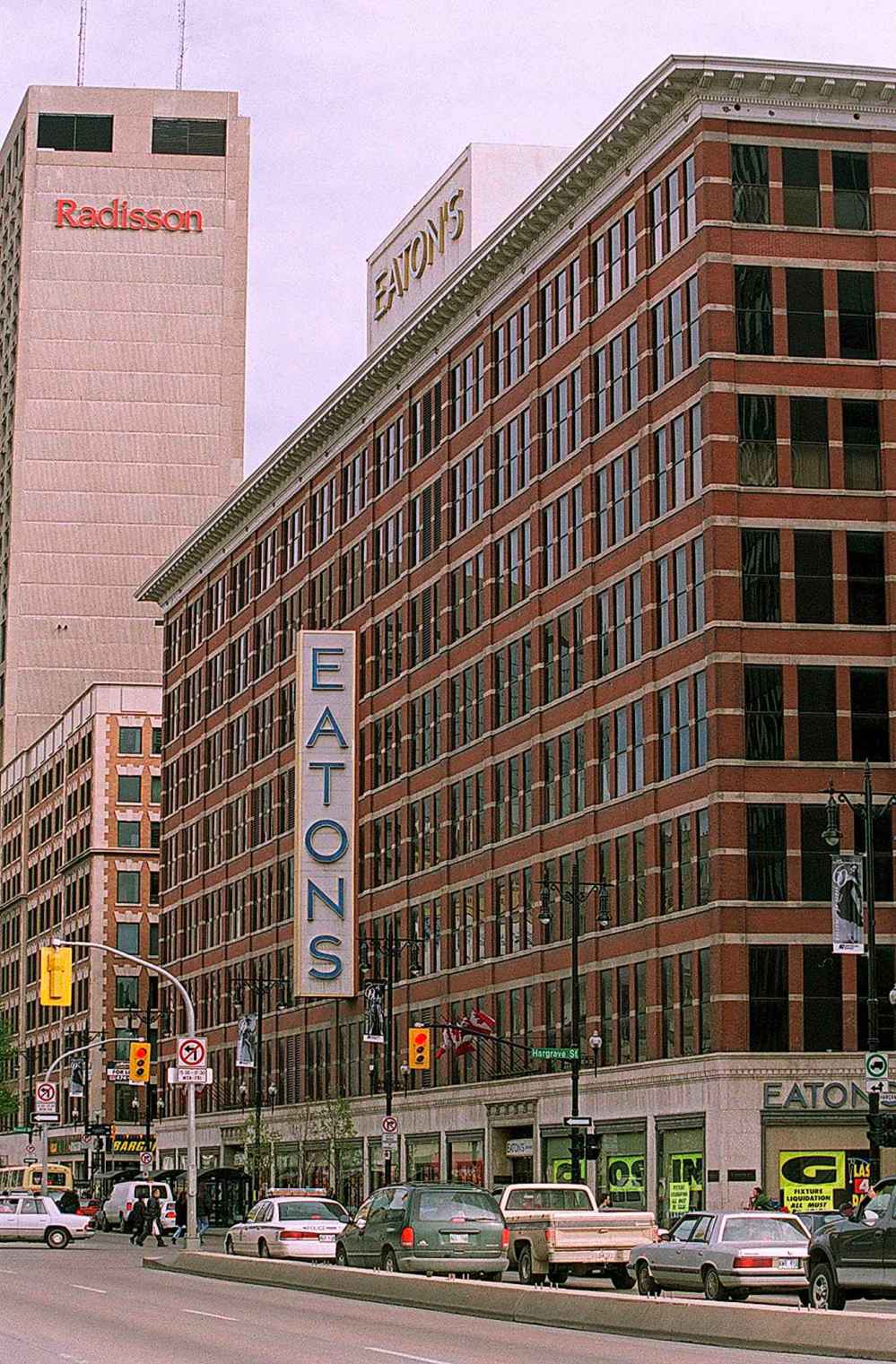
1933: First television broadcast from the Eaton’s department store in downtown Winnipeg.
● Riding Mountain National Park, Manitoba’s first, opens officially.
● John Bracken’s coalition government introduces a two per cent wage tax, the highest in North America, in an attempt to balance the budget.
1934: Mining operations at Flin Flon are shut down for several weeks by a strike of 1,300 workers led by the new Mine Workers Union of Canada.
1935: Canadian Wheat Board is established with headquarters at Winnipeg.
1,000 unemployed men come in from the federal government’s relief work camps to take part in the “On-to-Ottawa” Trek. Fearing unrest, Winnipeg officials allow them to gather at the Old Exhibition Grounds.
1936: Two new political parties win seats in the provincial election, the Co-operative Commonwealth Federation and the Social Credit Party.
1937: Winnipeg becomes the home base of the newly-organized Trans-Canada Airlines, forerunner of Air Canada.
Winnipeg becomes the first Canadian city of more than 100,000 people to treat its sewage.
The Rowell-Sirois Commission is appointed to investigate the Depression-related financial crisis, particularly in Saskatchewan and Manitoba.
The slowly recovering agricultural economy is laid low again by a new wave of drought.
1938: Incorporated in Winnipeg the previous year, Ducks Unlimited Canada holds its first public meeting at the Fort Garry Hotel.
Manitoba’s first sugar beet factory is established in rural Fort Garry.
1939: Royal Winnipeg Ballet is founded by Gweneth Lloyd and Betty Farrally.
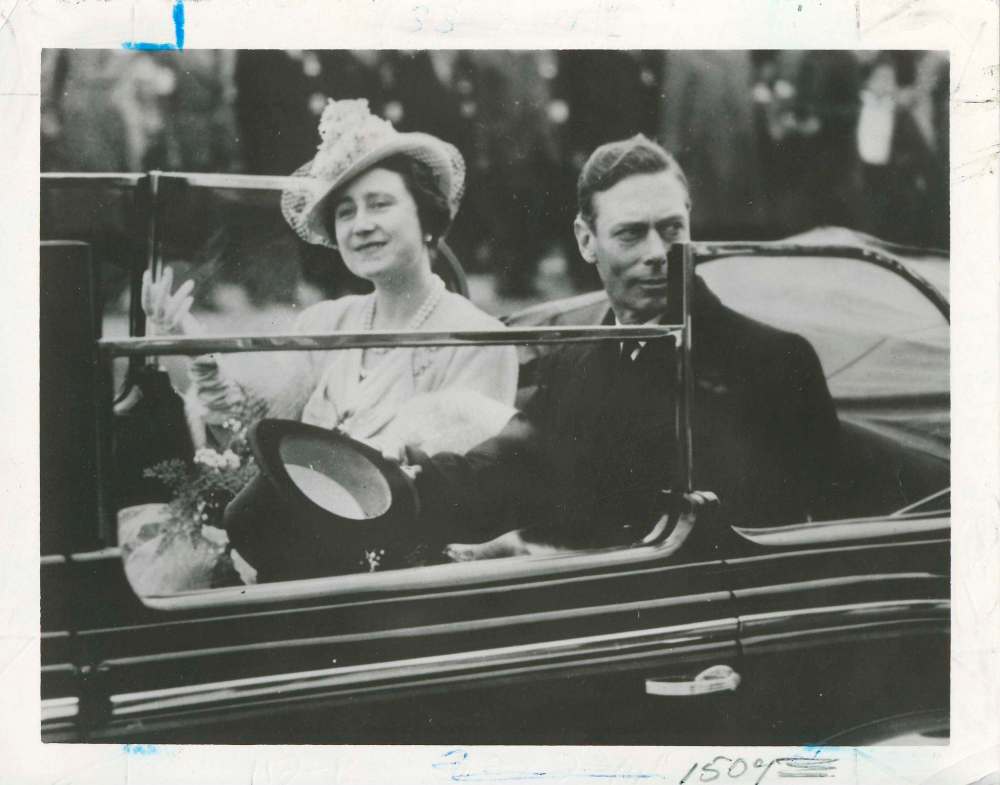
Royal visit by King George VI and Queen Elizabeth.
The United Kingdom goes to war against Germany, joined one week later by Canada. Manitobans will make substantial contributions to the war effort both at home and abroad.
1942: Rural electrification program of the Manitoba Power Commission begins.
● DiCosimo’s Chicken Inn, one of city’s first fast-food restaurants, is opened.
If Day: Winnipeg is “invaded” by actors in Nazi uniforms as a measure to raise funds for the war effort.
1944: Canadian Cooperative Implements opens a farm equipment manufacturing plant.
1947: First use of weed-killing 2,4-D by Manitoba farmers and treated acreage increases rapidly over the next few years.
1948: Japanese-Canadians forcibly relocated to Manitoba during the Second World War regain the right to vote as a result of federal action.
1949: Provincial legislation allows margarine to be dyed a “pale yellow colour” resembling butter.
● Union of Manitoba Municipalities divides into two organizations, one representing rural municipalities retaining the original name and the other becoming the Manitoba Urban Association (later renamed the Manitoba Association of Urban Municipalities).
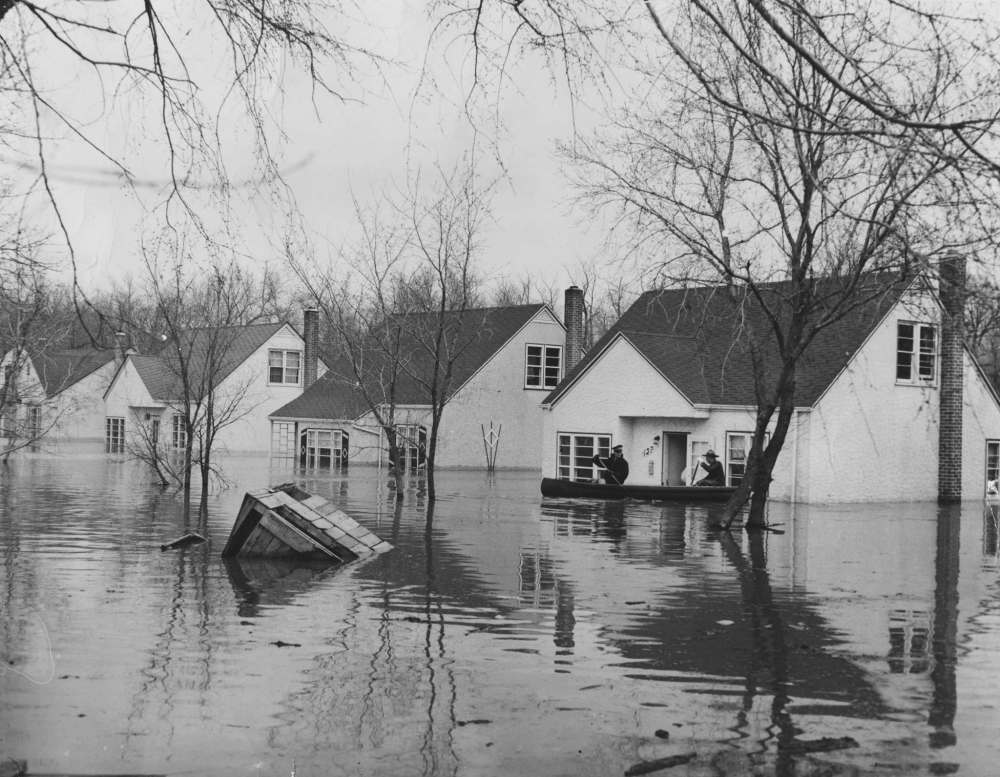
1950: Severe flooding occurs throughout the Red River Valley in which 10,000 homes are destroyed and 5,000 other buildings are damaged, including the downtown area of Winnipeg, at a cost of about $1 billion in today’s dollars, leading to construction of the Red River Floodway.
1951: First commercial production of oil in the Virden area.
Royal visit of Princess Elizabeth and the Duke of Edinburgh.
1952: Indigenous people on reserves win back the right to vote in Manitoba, having possessed the franchise in the first provincial election of 1870 but having it denied for three-quarters of a century.
● Hartwell Bowsfield is hired as the first full-time Provincial Archivist of Manitoba.
1954: First television broadcast by CBC Winnipeg.
First automobile parkade on the Canadian Prairies opens at the HBC store.
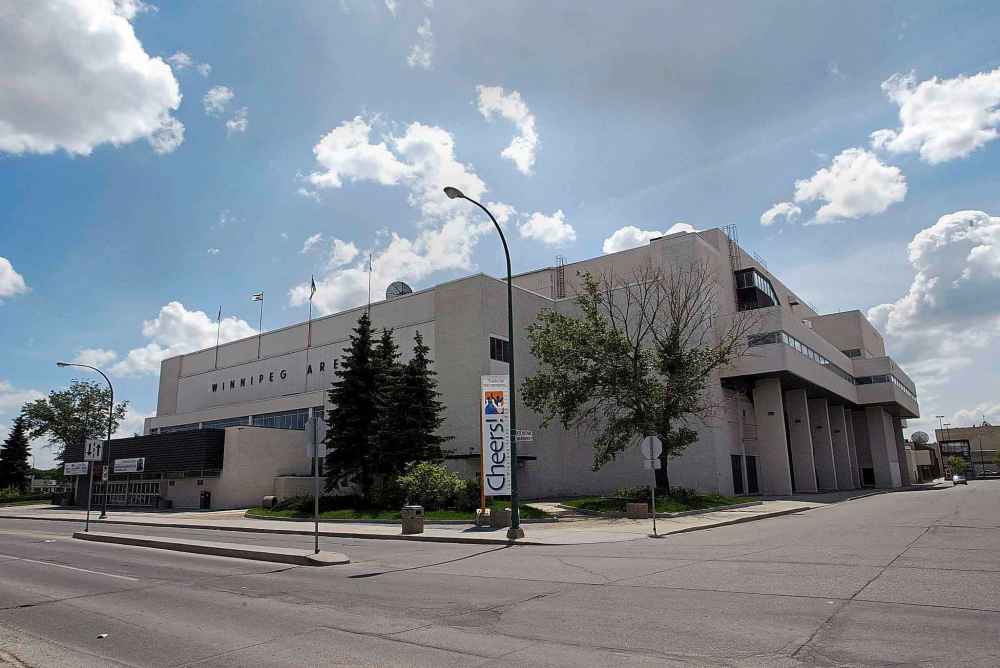
1955: Opening of Winnipeg Arena.
1956: Massive nickel ore body discovered in northern Manitoba, leading to establishment of Thompson.
● Steve Juba is elected the first non-Anglo-Saxon mayor of Winnipeg.
● According to census data, urbanites outnumber people in rural areas for the first time in provincial history.
● Forced relocation of Sayisi Dene from Duck Lake to Churchill (they would move back home in 1981).
1957: The Order of the Buffalo Hunt, precursor to the Order of Manitoba, is inaugurated with Queen Elizabeth II as its first recipient.
● York Factory is closed after 270 years of almost continuous use.
1958: Conservative provincial government under premier Duff Roblin is formed.
● Construction of the Kelsey Generating Station begins, the first such station on the Nelson River. It is completed three years later.
1959: Construction of Polo Park, the province’s first major shopping mall.
● Surgeons at the St. Boniface Hospital perform the province’s first open-heart surgery.
● Manitoba Municipal Board is established with authority to act as an impartial tribunal for appeals of municipal property assessments.
1960: A new Bill of Rights confirms First Nations people have the right to vote in federal elections without loss of treaty status.
1961: Manitoba Power Commission merges with Manitoba Hydro Electric Board to form Manitoba Hydro.

1962: Winnipeg Blue Bombers win the “Fog Bowl” to capture the Grey Cup.

1963: Thelma Forbes is elected the first female speaker of the Manitoba Legislature.
● Margaret Konantz is elected the first female Member of Parliament from Manitoba.
● Official Time Act is passed, mandating the entire province to adopt daylight saving time.
1964: Versatile Manufacturing Company is founded by brothers-in-law Peter Pakosh and Roy Robinson.
1965: A modestly successful Winnipeg rock band changes its name and goes on to international fame as the Guess Who.
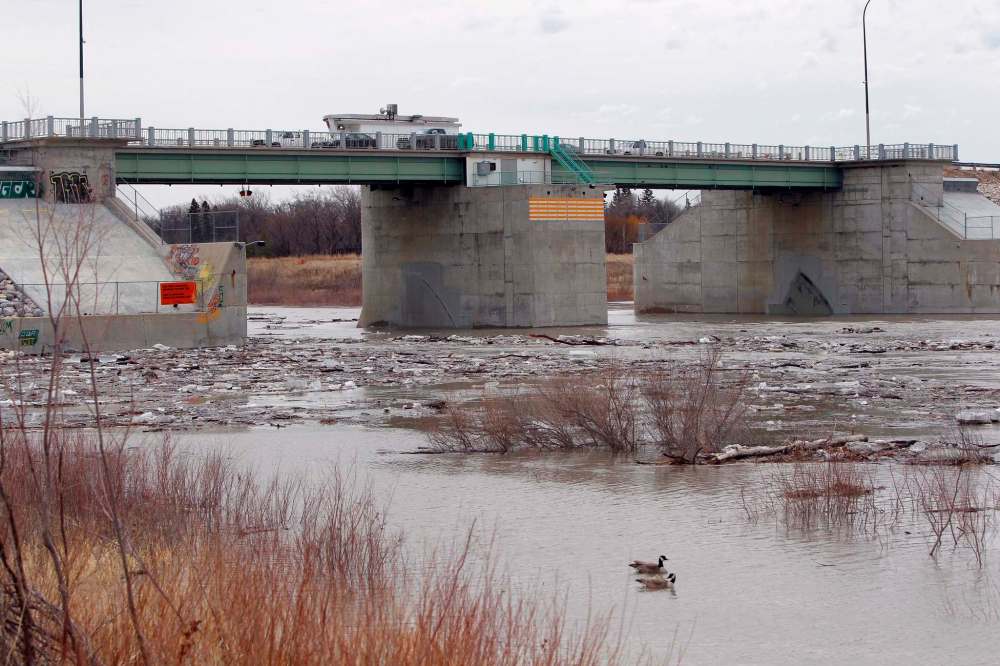
1966: Official opening of the Red River Floodway.
1967: Provincial sales tax of five per cent is introduced.
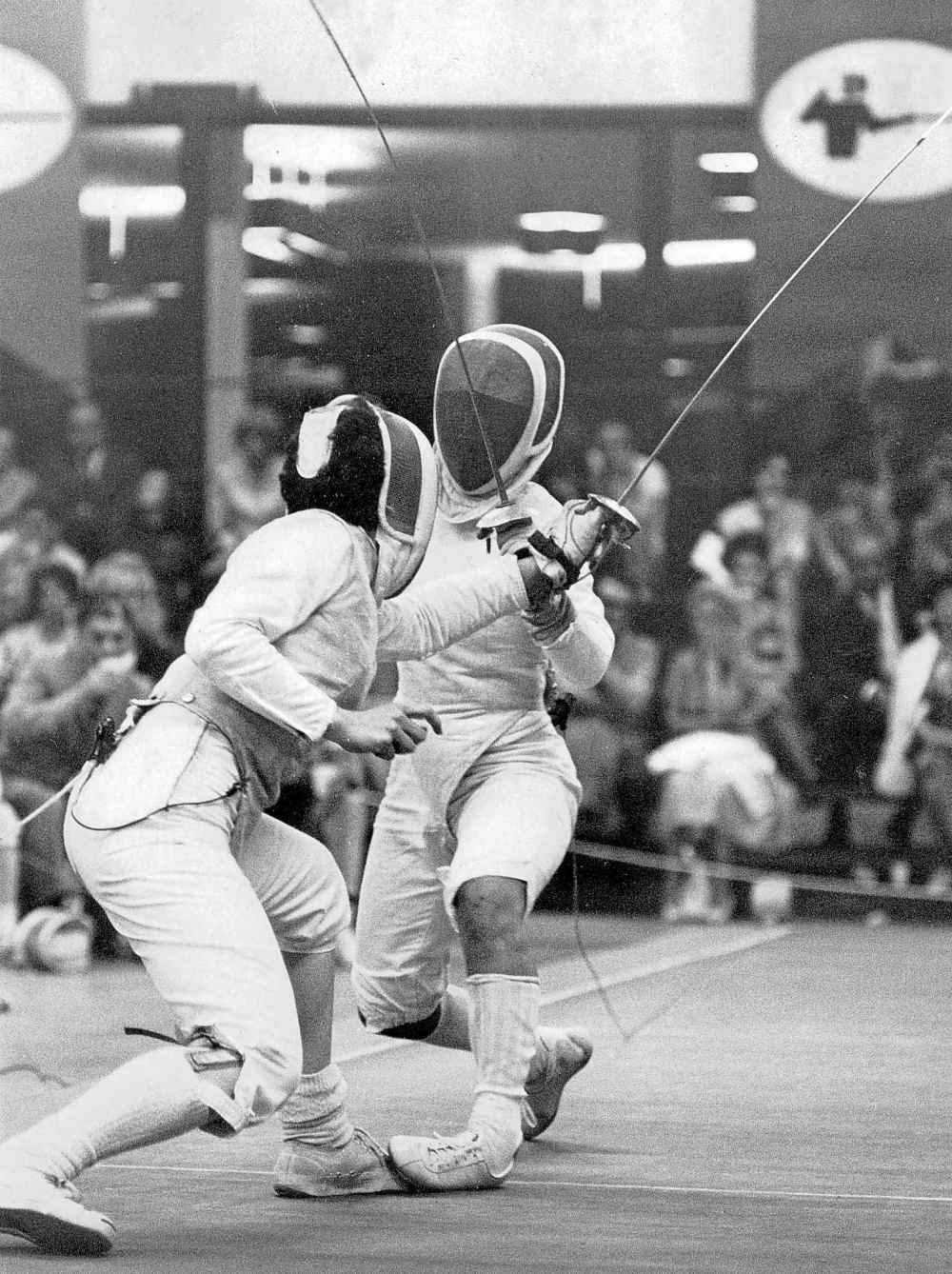
● Pan American Games are hosted in Winnipeg.
● Brandon College becomes Brandon University and United College becomes the University of Winnipeg.
● Manitoba Indian Brotherhood and Manitoba Métis Federation are formed.
1968: St. Boniface Basilica is destroyed by fire.
1969: Edward Schreyer forms Manitoba’s first NDP government.
● Judith Weiszmann becomes the first woman to be a registered professional engineer in Manitoba.
1970: Manitoba centenary is commemorated by a Royal visit by Queen Elizabeth II and the Duke of Edinburgh.
● First Folklorama is celebrated after being held under other names from 1967 to 1969.
● Manitoba Museum opens.
● Manitobans begin the process to convert from imperial to metric units of measurement.
1971: Inter-Universities North begins as a collaboration between the three Manitoba universities to deliver courses and programs to the people of northern Manitoba.
● Legal Aid Manitoba is established to provide affordable legal services to low-income people and public interest groups.
● Samuel Freedman, the first Jewish judge in Manitoba, is named chief justice.
1972: Several urban and rural municipalities unite to form the modern-day City of Winnipeg.
● Manitoba Public Insurance Corporation begins providing automobile insurance to replace private insurance.
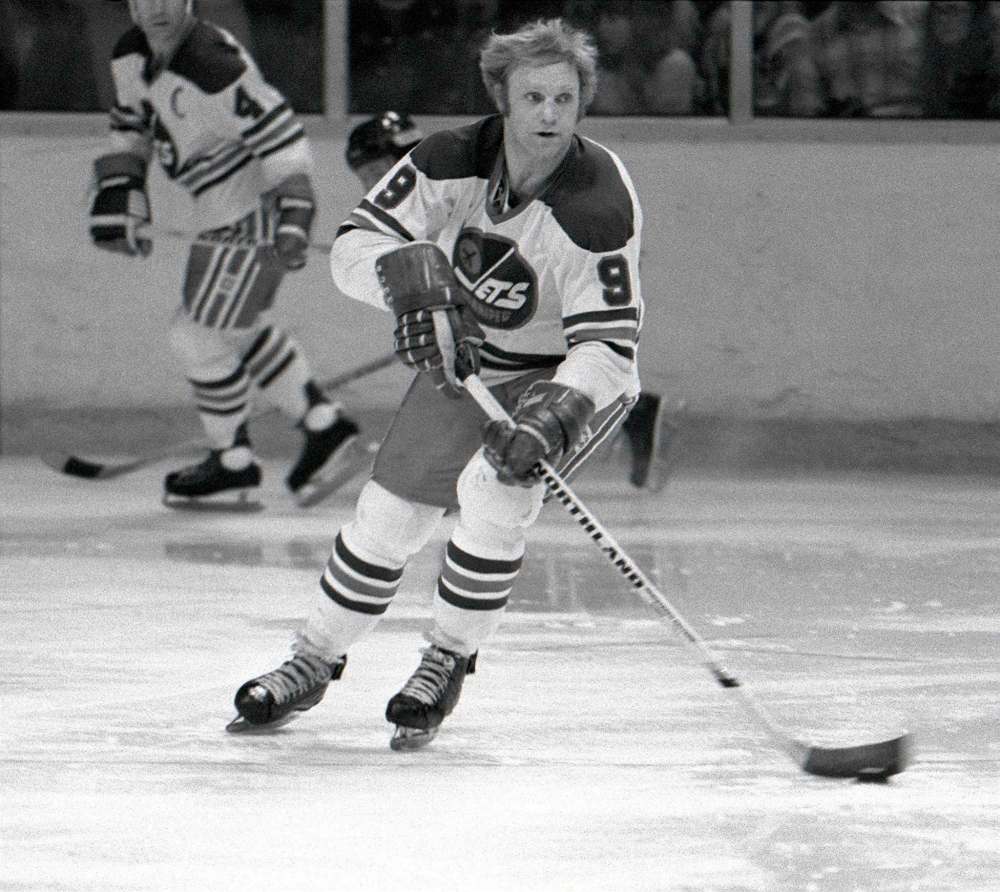
● The Winnipeg Jets led by Bobby Hull play their first season in the World Hockey Association.
● The Manitoba Club, a meeting place for Manitoba’s business and political elite founded in 1874, accepts its first Jewish member. Women would have to wait until 1991 to be eligible for membership.
1974: First Winnipeg Folk Festival held at Birds Hill Park.
● A group led by Israel Asper buys the assets of a small television station at Pembina, North Dakota and turns them into media giant Canwest Global.
1976: Royal Canadian Mint opens.
1977: Following the flooding of South Indian Lake and diversion of the Churchill River into the Nelson River and the flooding of Cree communities to generate hydroelectric power, the Northern Flood Agreement is signed with five First Nations.
1979: Edward Schreyer becomes Canada’s 22nd governor general.
● Supreme Court of Canada declares Manitoba’s Official Languages Act invalid, resulting in the restoration of French language service.
● Winnipeg Jets win the final World Hockey Association championship.
● Lawsuit by Franco-Manitoban activist Georges Forest leads to the restoration of French language rights in Manitoba.
1980: Winnipeg Tribune closes.
1981: Pearl McGonigal becomes Manitoba’s first female lieutenant-governor.

● Mayor Bill Norrie announces the 10-year Winnipeg Core Area Initiative to reinvigorate the city’s downtown.
1983: Owing to confusion in metric conversion, an Air Canada aircraft runs out of fuel and makes an emergency landing near Gimli.
1984: Royal visit by Queen Elizabeth II and the Duke of Edinburgh.
Sharon Carstairs becomes leader of the provincial Liberal party.
1988: First Nations leader J.J. Harper is killed by Winnipeg police.
● Murray Sinclair is appointed associate chief judge of the Provincial Court of Manitoba, the first Indigenous judge in the province.
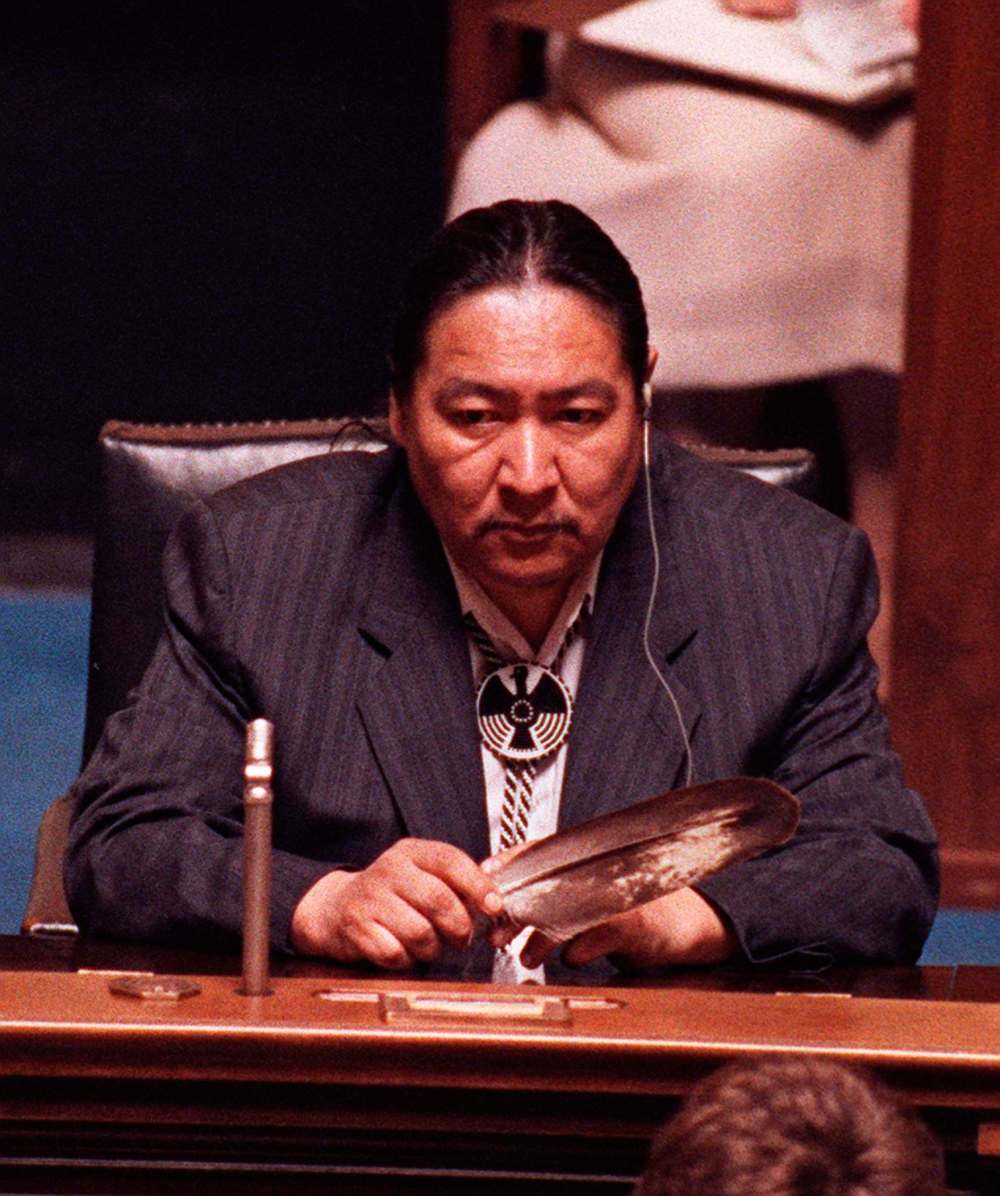
1990: MLA Elijah Harper’s refusal to allow debate on the Meech Lake Accord in the Manitoba Legislature contributes to the demise of the proposed constitutional amendments.
1991: Manitoba Aboriginal Justice Inquiry submits its final report.
1992: Susan Thompson becomes the first female mayor of Winnipeg.
● Headingley secedes from the City of Winnipeg and forms its own municipality.
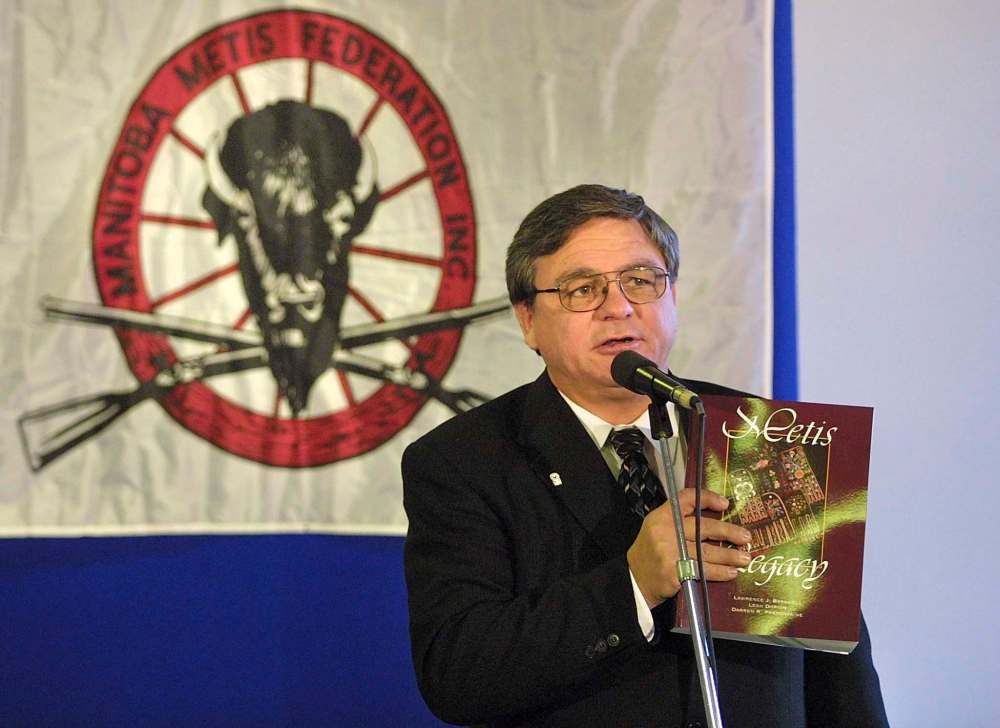
1993: Yvon Dumont becomes Manitoba’s first Métis lieutenant-governor.
1996: Winnipeg Jets move to Arizona.
1997: “Flood of the Century” in the Red River Valley.
● Civic addressing in rural Manitoba is introduced as a way to improve deployment of emergency services.
● Canada, Manitoba and 20 First Nations enter into a Treaty Land Entitlement Framework Agreement to fulfil long-standing treaty obligations.
1998: Winnipeggers elect Glen Murray as Canada’s first openly gay mayor.
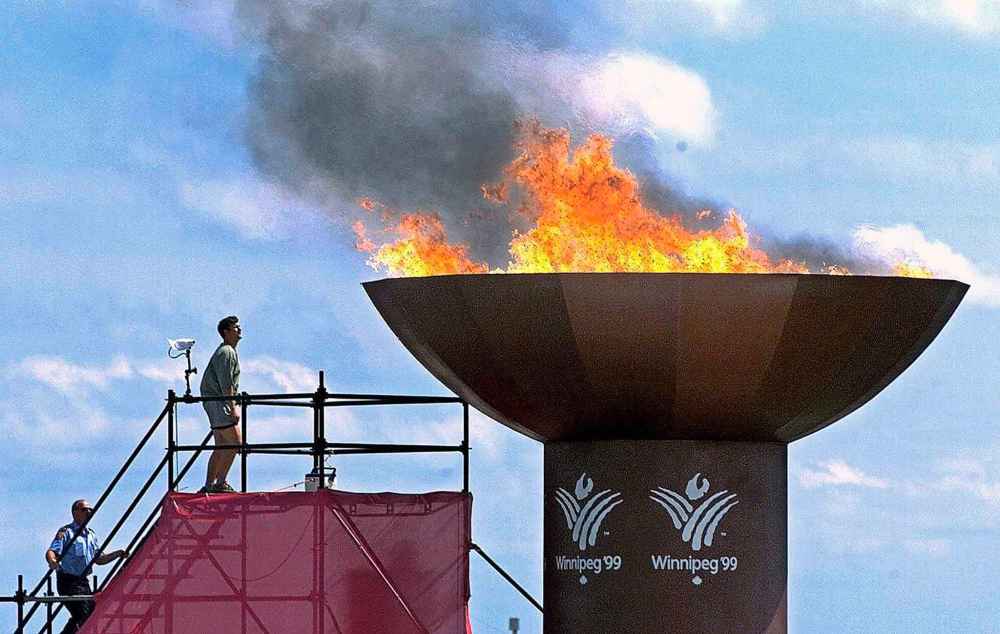
1999: Pan American Games are hosted in Winnipeg for the second time.
● The Union of Manitoba Municipalities merges with the Manitoba Association of Urban Municipalities to form the Association of Manitoba Municipalities.
2002: Eaton’s department store building in downtown Winnipeg is demolished to make way for a sports arena.
● Winnipeg Hydro, created as the Winnipeg Hydro-Electric System by the City of Winnipeg in 1911, merges with Manitoba Hydro.
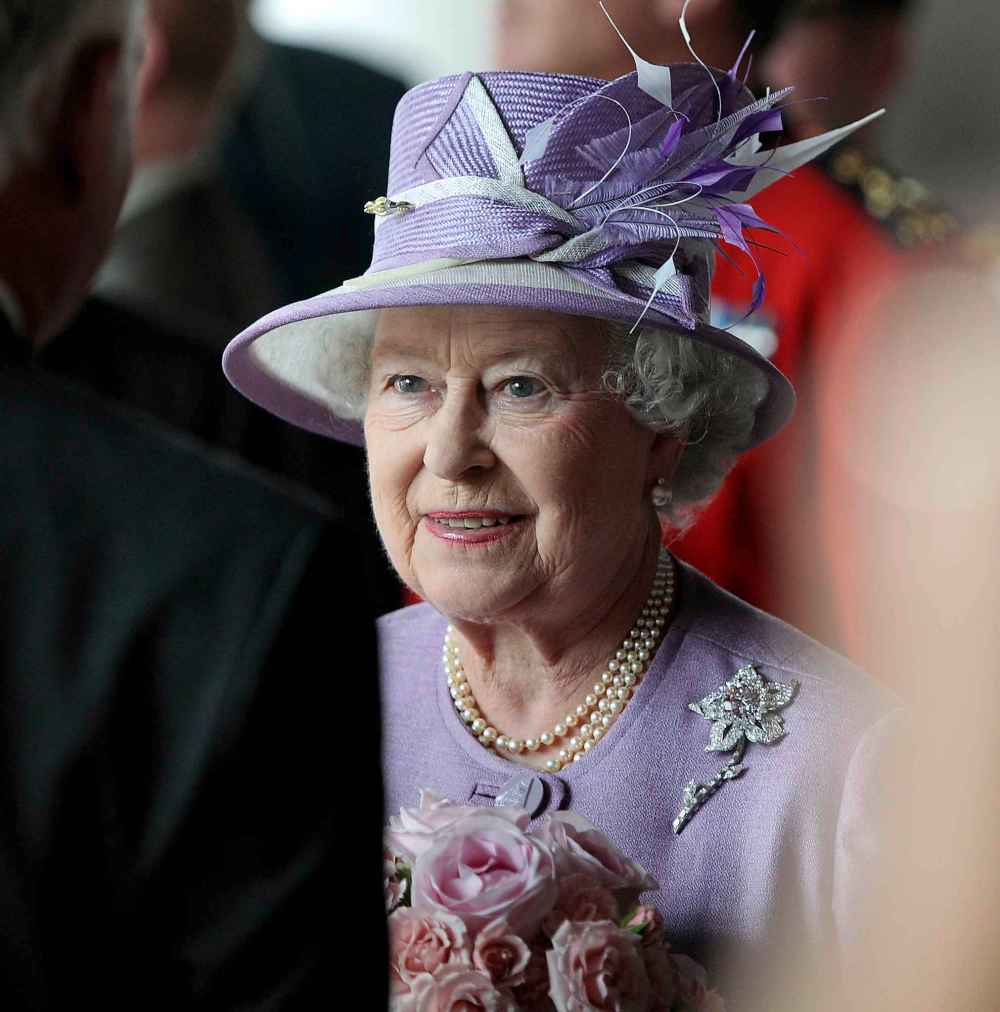
● Royal visit by Queen Elizabeth II and the Duke of Edinburgh.
2011: Catastrophic flooding around Lake Manitoba.
● NHL hockey returns to Winnipeg with the purchase of a franchise by the Chipman family.
2012: Ten-digit telephone numbers are required in Manitoba.
2014: Canadian Museum for Human Rights officially opens.
2015: Smaller municipalities around Manitoba are amalgamated, reducing the total number from 198 to 137.
● Truth and Reconciliation Commission of Canada submits its final report.

2019: Blue Bombers win the Grey Cup.
● Uzoma Asagwara, Audrey Gordon and Jamie Moses become the first Black Canadians elected to the Manitoba Legislature.



2020: A coronavirus pandemic causes more than 900 deaths in Manitoba.
● The downtown flagship store of the Hudson’s Bay Co. closes.

History
Updated on Tuesday, May 11, 2021 2:01 PM CDT: Corrects year of Glen Murray's election.