

The true costs of your pet — for everyone
Advertisement
Read this article for free:
or
Already have an account? Log in here »
To continue reading, please subscribe:

Digital Subscription
One year of digital access for only $205*
- Enjoy unlimited reading on winnipegfreepress.com
- Read the E-Edition, our digital replica newspaper
- Access News Break, our award-winning app
- Play interactive puzzles
*First annual payment billed as $205.00 + GST for one year. This annual subscription will automatically renew at $233.00 + GST every 52 weeks (10% off the regular annual price of $259.35). Offer available to new and qualified returning subscribers only. Cancel any time.
To continue reading, please subscribe:
Add Free Press access to your Brandon Sun subscription for only an additional
$1 for the first 4 weeks*
- Enjoy unlimited reading on winnipegfreepress.com
- Read the E-Edition, our digital replica newspaper
- Access News Break, our award-winning app
- Play interactive puzzles
*Your next Brandon Sun subscription payment will increase by $1.00 and you will be charged $17.95 plus GST for four weeks. After four weeks, your payment will increase to $24.95 plus GST every four weeks.
Read unlimited articles for free today:
or
Already have an account? Log in here »
People love their pets, and most pet owners are responsible, caring and benevolent wards of their pets. And it is true that some research shows that owning a pet can have some mental and physical health benefits. Research shows that owning a pet can reduce your blood pressure or reduce anxiety or feelings of loneliness.
These are all good things. But is owning a pet really as good for you as volunteering, joining a yoga class or a choir, or helping a friend in your neighbourhood? Surely pets are not the only lifestyle option available that can produce mental and physical health benefits.
Owning a pet is a choice, and brings responsibility. The decision to get a pet is a personal one. Owning a pet doesn’t seem to be an essential part of the social contract that binds us together as citizens or community members. Owning a pet isn’t about us being responsible for each other.
Owning a pet is about the owner.
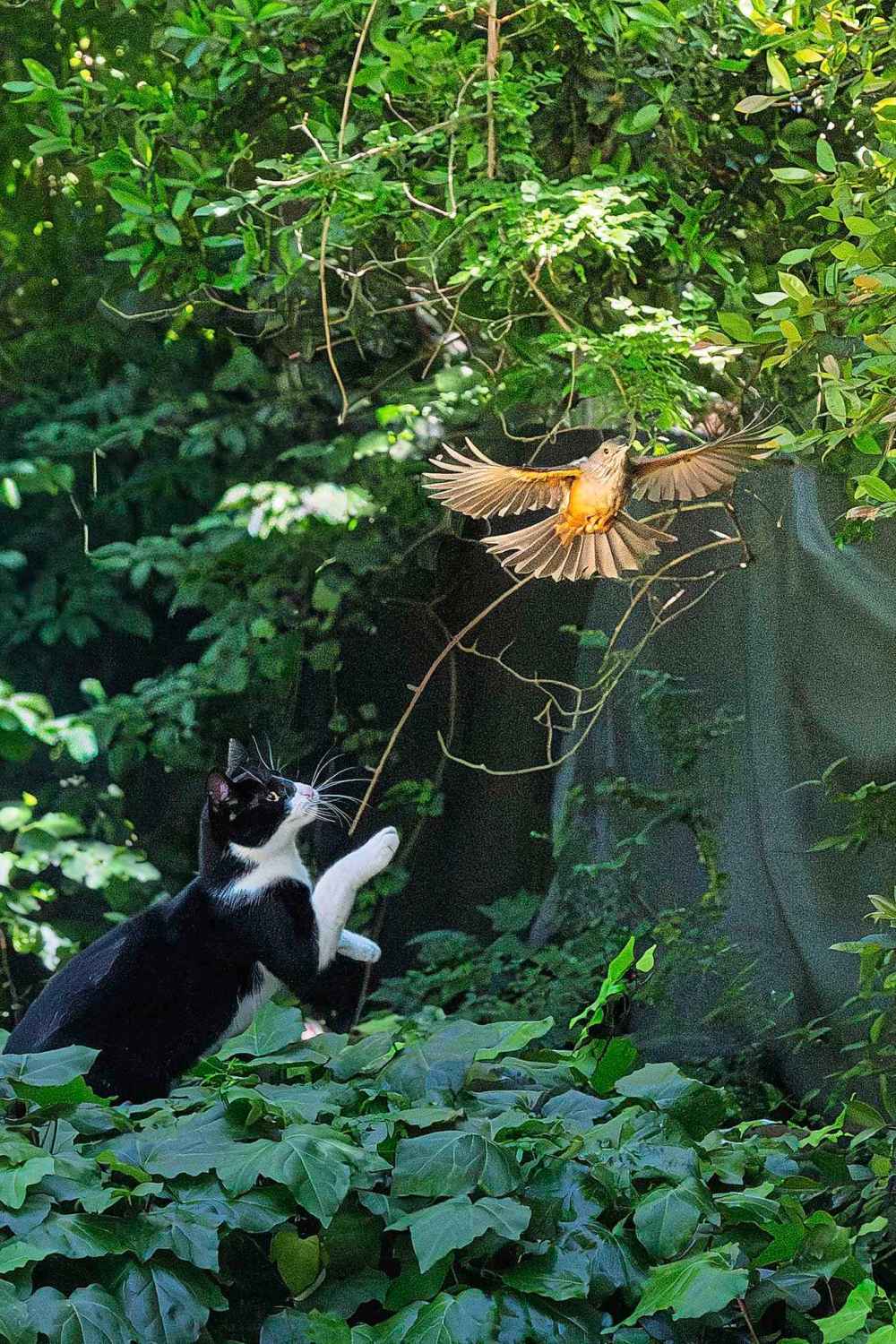
Although talked about less frequently than pet dogs, pet cats are notorious killers. Some sources claim cats kill billions of birds and small animals annually, and not necessarily for food.
Pets are a problem, but few will discuss the downsides of pet ownership.
So, before someone suggests (Advocates call for action on dog attacks, July 30) that the government must do something about the impact of pets on our health or safety — let’s remember that pet owners aren’t the only ones paying the price when an individual chooses to own a pet.
And the costs are about more than just money.
Let’s start with the city of Winnipeg.
Winnipeg’s Animal Services agency allocates $3,559,262 toward essential animal welfare operations. This covers such things as services provided to enforce the responsible pet ownership bylaw.
Meanwhile, the province has provided more than $1 million for spaying and neutering across the province in an effort to reduce the dog and cat populations.
Municipal and provincially committed budgets for animal welfare do not cover the very real cost of hospital visits after a dog bite, or a host of other incidental but related costs.
Managing pet populations across the province is a substantial cost for municipalities and the province. But the real public costs don’t end there.
Here are some other facts that should unsettle everyone. In Canada over the last 25 years, as many as 40 people have been killed by dogs, and most of those killed were children.
Manitoba has had more than its share of fatalities from dog attacks. To appreciate how significant this figure is, it is worth considering that there have been fewer deaths resulting from black and grizzly bear attacks over the same period across Canada.
It is estimated that as many as 500,000 Canadians are bitten by dogs each year. Five hundred postal workers are injured by dog bites each year, some with injuries that are disabling.
Municipalities across the country are dealing with the environmental and health impacts of dog waste. A 2018 Municipal World article dealing with the dog waste problems in our cities claims that on average, “dogs create about 124 kilograms of waste per individual animal annually … and produce an estimated 924 million kilograms (over 920,000 tonnes) of waste per year … pet waste makes up about eight per cent to 12 per cent of the total weight of residential waste sent to landfills.”
While most dog owners pick up their dog’s waste, some don’t.
We all know, because we have stepped in it. Getting it off our shoes is the least of our worries.
Dog waste leaches into our ground water or runs off into our sewer system to pollute rivers and lakes. According to the U.S. Environmental Protection Agency, dog waste is a dangerous pollutant, as toxic as some industrial and mine waste.
Apparently, because of their diet, dog waste carries almost double the bacterial concentration of human waste. A single gram of dog waste may contain an estimated 23 million fecal coliform bacteria. In fact, EPA research suggests that “20 per cent to 30 per cent of all bacteria found in urban watersheds originates directly from dogs.”
And the same EPA assessment of the problem says that dog waste carries some serious pathogens like, “E. coli, salmonella, giardia, and roundworms — that can contaminate soil and remain infectious to humans and wildlife for years.”
Even the Suzuki Foundation has commented on the environmental cost of pet ownership, reporting that cats and dogs may be responsible for as much as 25-30 per cent of the environmental impacts of food production that ends up being eaten by our pets. The report notes that pet food production may be responsible for more than 50 million tons of greenhouse gas emissions annually.
People choose to have pets for their own reasons, and that is how it should be.
But spending ever-increasing amounts of public money for the comfort of pets, such as dedicated dog parks, or more money to protect people from other people’s pets, is probably compounding the problem.
No one really needs a pet.
My guess is that most people would say that if you want to have a pet, you should be prepared to accept full responsibility for owning one.
Jerry Storie lives pet-free and writes from Winnipeg.