Selling California dreams Trump spurs Winnipeg snowbirds to put U.S. condo on market; North Dakota tourism sector braces for Manitoba boycott
Read this article for free:
or
Already have an account? Log in here »
To continue reading, please subscribe:

Digital Subscription
One year of digital access for only $205*
- Enjoy unlimited reading on winnipegfreepress.com
- Read the E-Edition, our digital replica newspaper
- Access News Break, our award-winning app
- Play interactive puzzles
*First annual payment billed as $205.00 + GST for one year. This annual subscription will automatically renew at $233.00 + GST every 52 weeks (10% off the regular annual price of $259.35). Offer available to new and qualified returning subscribers only. Cancel any time.
To continue reading, please subscribe:
Add Free Press access to your Brandon Sun subscription for only an additional
$1 for the first 4 weeks*
- Enjoy unlimited reading on winnipegfreepress.com
- Read the E-Edition, our digital replica newspaper
- Access News Break, our award-winning app
- Play interactive puzzles
*Your next Brandon Sun subscription payment will increase by $1.00 and you will be charged $17.95 plus GST for four weeks. After four weeks, your payment will increase to $24.95 plus GST every four weeks.
Read unlimited articles for free today:
or
Already have an account? Log in here »
Hey there, time traveller!
This article was published 04/02/2025 (601 days ago), so information in it may no longer be current.
For 14 years, Winnipeg retiree Tom Pearson and his wife have called California home for five months out of the year.
They’ve made close friends and built a tight-knit community, but U.S. President Donald Trump has spurred the couple to sell their beloved condominium.
“The fact is that Trump and his supporters are deliberately doing damage to our economy, and by extension, the day-to-day lives of Canadians,” Pearson, 73, told the Free Press on a phone call from California Tuesday. “(My wife) and I were just not up for the idea of spending money in a country that’s doing that.”
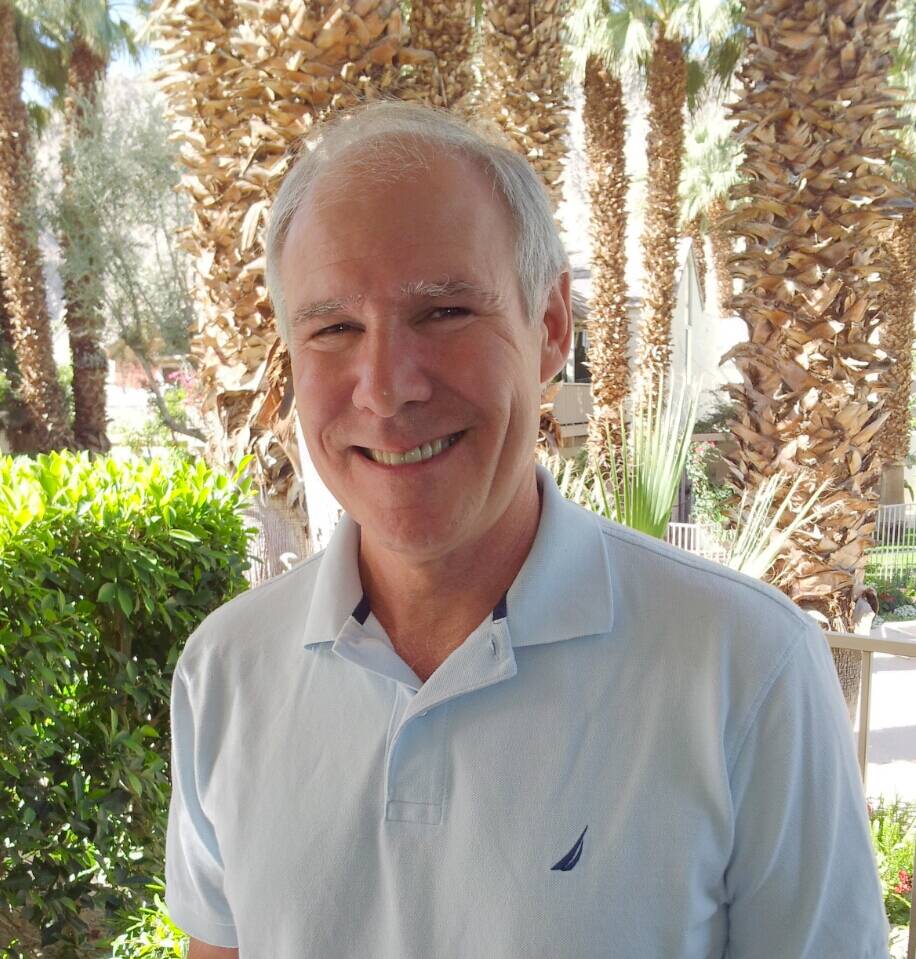
They bought the condo in 2011, the year Pearson retired, but found themselves struggling during Trump’s first term as president in 2016. When he was voted in again in November — bringing in a slew of executive orders and demands with him — the pair knew they could no longer stay.
“The last time, it was as though all the racists and bigots were given a licence to crawl out of the slime and say what they really thought,” he said. “I expected it would be at least that bad this time, and I just didn’t want to endure another four years of the rhetoric that comes from a Trump White House.”
Since Trump was elected, the couple have watched and worried as he proposed 25 per cent tariffs on Canadian and Mexican goods. They have also been confronted by Americans who have suggested the U.S. would “own” Canada soon.
Leaving the U.S. is a “fundamental” issue for them, Pearson said.
“I guess I’m at the stage where I think, if that’s how you want to play that game, well, I’m going to do my part to fight back.”– Tom Pearson
“What they’re doing to women’s rights, what they’re doing to transgender (people’s) rights, the fact that they’ve politicized the justice system and they’re going to persecute people who are doing nothing more than their job, those types of things are disgusting,” he said. “It just adds more weight to the decision to leave.”
The couple will be in California another week before leaving to spend some time in Vancouver Island. They plan to continue their travels across the world for as long as they can. Pearson hopes the friends they’ve made in the States will visit them in Winnipeg. Before they leave, he said, they’re doing their best to boycott American products — leaving behind Napa Valley wine and picking up Scotch and Irish Whiskey.
“I guess I’m at the stage where I think, if that’s how you want to play that game, well, I’m going to do my part to fight back.”
Meanwhile, tourist organizations south of the border are monitoring what comes next if tariffs come to fruition next month and Manitobans are less inclined to visit.

At Visit Fargo-Moorhead, an organization funded by lodging taxes paid for by visitors staying in hotels in the area, contingency plans are being discussed. That could include marketing directed at Manitobans to remind them they are welcome in North Dakota.
“There’s not a lot we can do about it. Sure, I have some anxiety about the whole thing,” president and CEO Charley Johnson said.
“I think that we always worry about things out of our control that affect the visitor flow from any particular location. Nobody wants to see their community or their state or their country seen as unwelcoming to anyone, right?”
Similar research is underway at its sister organization in Grand Forks, executive director Julie Rygg said.
“We certainly don’t want to offend our Canadian guests, so how we respond to that will be hopefully based on what potential visitors are looking for,” she said.
Visit Greater Grand Forks has heard from Manitobans and other Canadians — some have expressed concern about the tariffs, others, she said, have been less respectful.
“We love our, particularly Manitoban, visitors to Grand Forks. They are important to our travel economy here … hopefully we will come out on the other side of this with a stronger relationship.”– executive director Julie Rygg, Visit Greater Grand Forks
“Those we can’t really take seriously, because of the profanities, but certainly, we’re hearing from people who regularly receive our emails and regularly engage with us in social media,” she said. “We’re listening to them.”
Both groups said they were accustomed to riding the waves of troubles beyond their control, most recently the COVID-19 pandemic and as far back as 2003, when U.S. forces invaded Iraq, causing strife between the two countries.
For an industry that has still not completely rebounded to pre-COVID levels, there’s concern about losing Manitoban visitors, described by Rygg as a “very important market.”
“We love our, particularly Manitoban, visitors to Grand Forks. They are important to our travel economy here … hopefully we will come out on the other side of this with a stronger relationship.”
“We can’t control the tariffs, we can’t control the dollar,” Johnson said.
“We’ll just try to invite people and say we have a lot to offer, we want you to come here and visit us, just like we go to Winnipeg to visit.”
malak.abas@freepress.mb.ca

Malak Abas is a city reporter at the Free Press. Born and raised in Winnipeg’s North End, she led the campus paper at the University of Manitoba before joining the Free Press in 2020. Read more about Malak.
Every piece of reporting Malak produces is reviewed by an editing team before it is posted online or published in print — part of the Free Press‘s tradition, since 1872, of producing reliable independent journalism. Read more about Free Press’s history and mandate, and learn how our newsroom operates.
Our newsroom depends on a growing audience of readers to power our journalism. If you are not a paid reader, please consider becoming a subscriber.
Our newsroom depends on its audience of readers to power our journalism. Thank you for your support.
Related Articles
'We took the hit': Why some Canadians are cancelling U.S. travel plans