In pictures: Inside Whiteshell Laboratories A tour of Pinawa's former nuclear site

The former Whiteshell Laboratories began in 1963, sprouting near Pinawa, around 100 kilometres northeast of Winnipeg.

Read this article for free:

or

Already have an account? Log in here »

To continue reading, please subscribe:

Monthly Digital Subscription

$1 per week for 24 weeks*

  • Enjoy unlimited reading on winnipegfreepress.com
  • Read the E-Edition, our digital replica newspaper
  • Access News Break, our award-winning app
  • Play interactive puzzles

*Billed as $4.00 plus GST every four weeks. After 24 weeks, price increases to the regular rate of $19.95 plus GST every four weeks. Offer available to new and qualified returning subscribers only. Cancel any time.

Monthly Digital Subscription

$4.99/week*

  • Enjoy unlimited reading on winnipegfreepress.com
  • Read the E-Edition, our digital replica newspaper
  • Access News Break, our award-winning app
  • Play interactive puzzles

*Billed as $19.95 plus GST every four weeks. Cancel any time.

To continue reading, please subscribe:

Add Free Press access to your Brandon Sun subscription for only an additional

$1 for the first 4 weeks*

  • Enjoy unlimited reading on winnipegfreepress.com
  • Read the E-Edition, our digital replica newspaper
  • Access News Break, our award-winning app
  • Play interactive puzzles
Start now

*Your next Brandon Sun subscription payment will increase by $1.00 and you will be charged $17.95 plus GST for four weeks. After four weeks, your payment will increase to $24.95 plus GST every four weeks.

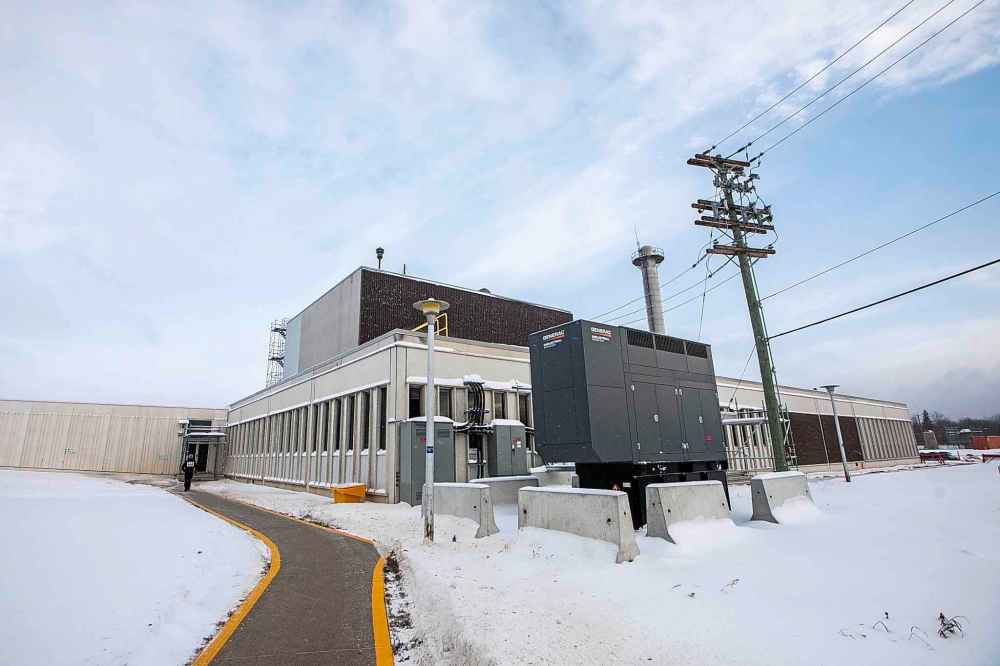
The former Whiteshell Laboratories began in 1963, sprouting near Pinawa, around 100 kilometres northeast of Winnipeg.

MIKAELA MACKENZIE / FREE PRESS
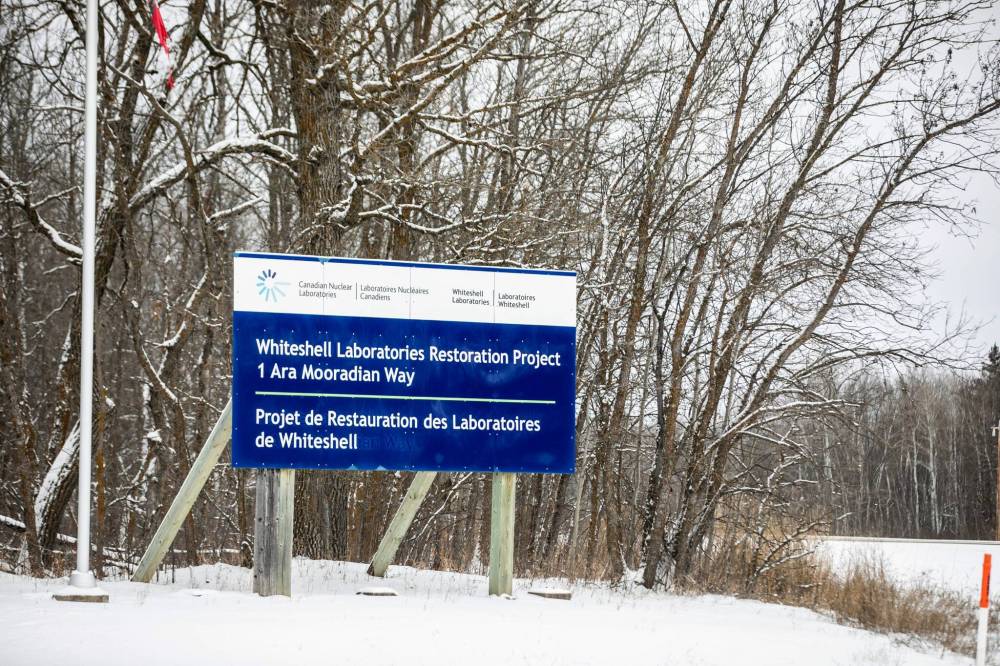
                                The Canadian Nuclear Laboratories Whiteshell Laboratories Restoration Project on Wednesday.
MIKAELA MACKENZIE / FREE PRESS

The Canadian Nuclear Laboratories Whiteshell Laboratories Restoration Project on Wednesday.

Its nuclear reactor was built for research, not electricity generation. At its peak, experts from across the globe visited the scientific hub.

The reactor shuttered in 1985 after being used for research on power reactors and testing coolants, among other things. Waste storage and small modular reactor research also occurred on site.

The site has been closing, piece by piece, since the late 1990s. The process is expected to finish in the 2030s.

Canadian Nuclear Laboratories — the private firm licensed to oversee and decommission the site — invited the Free Press to tour its facilities this week.
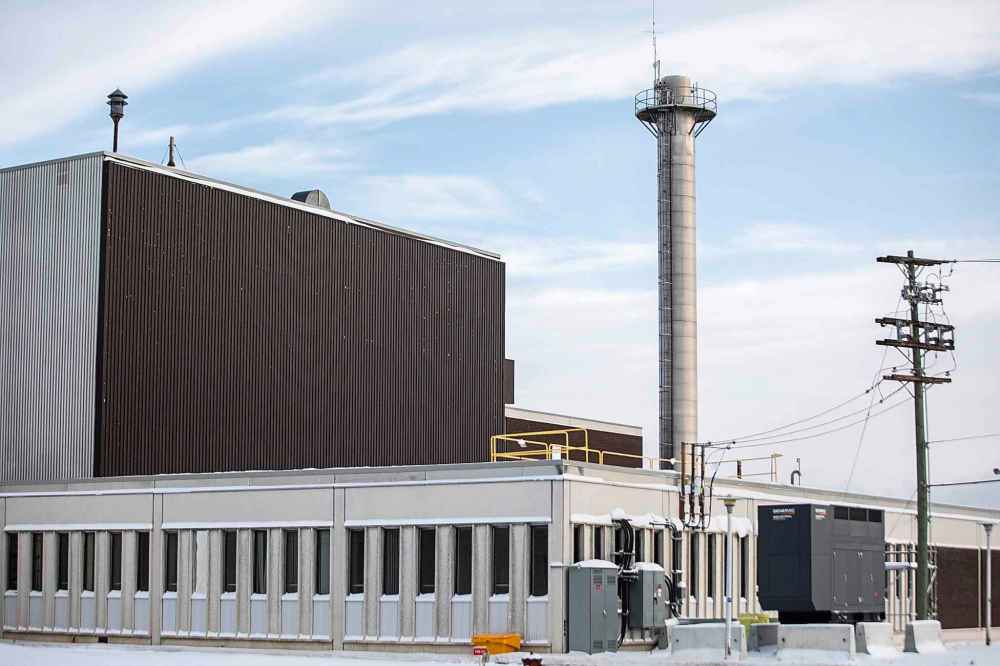
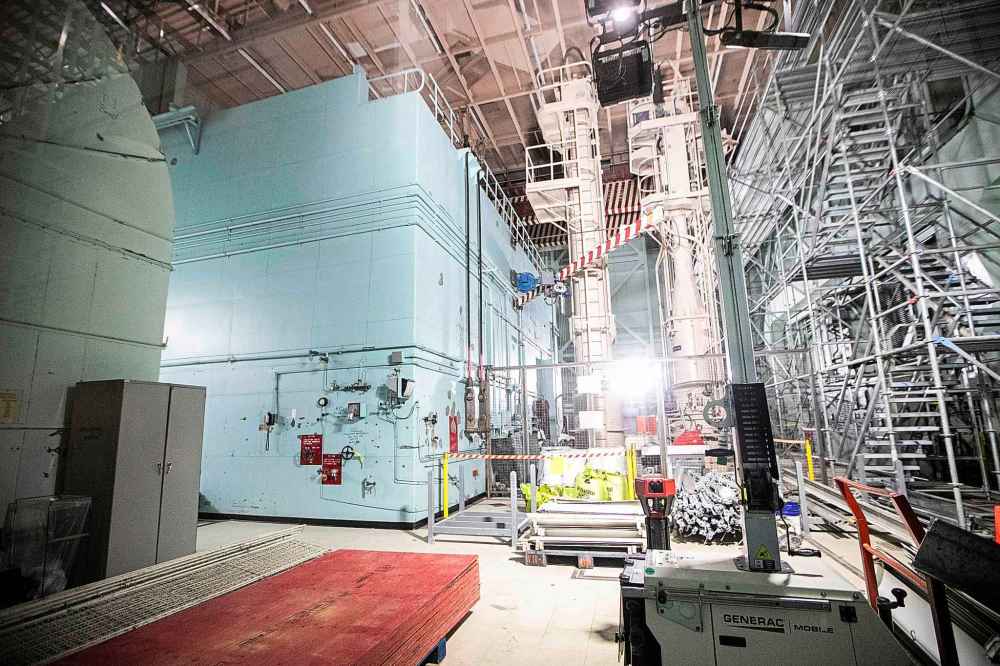
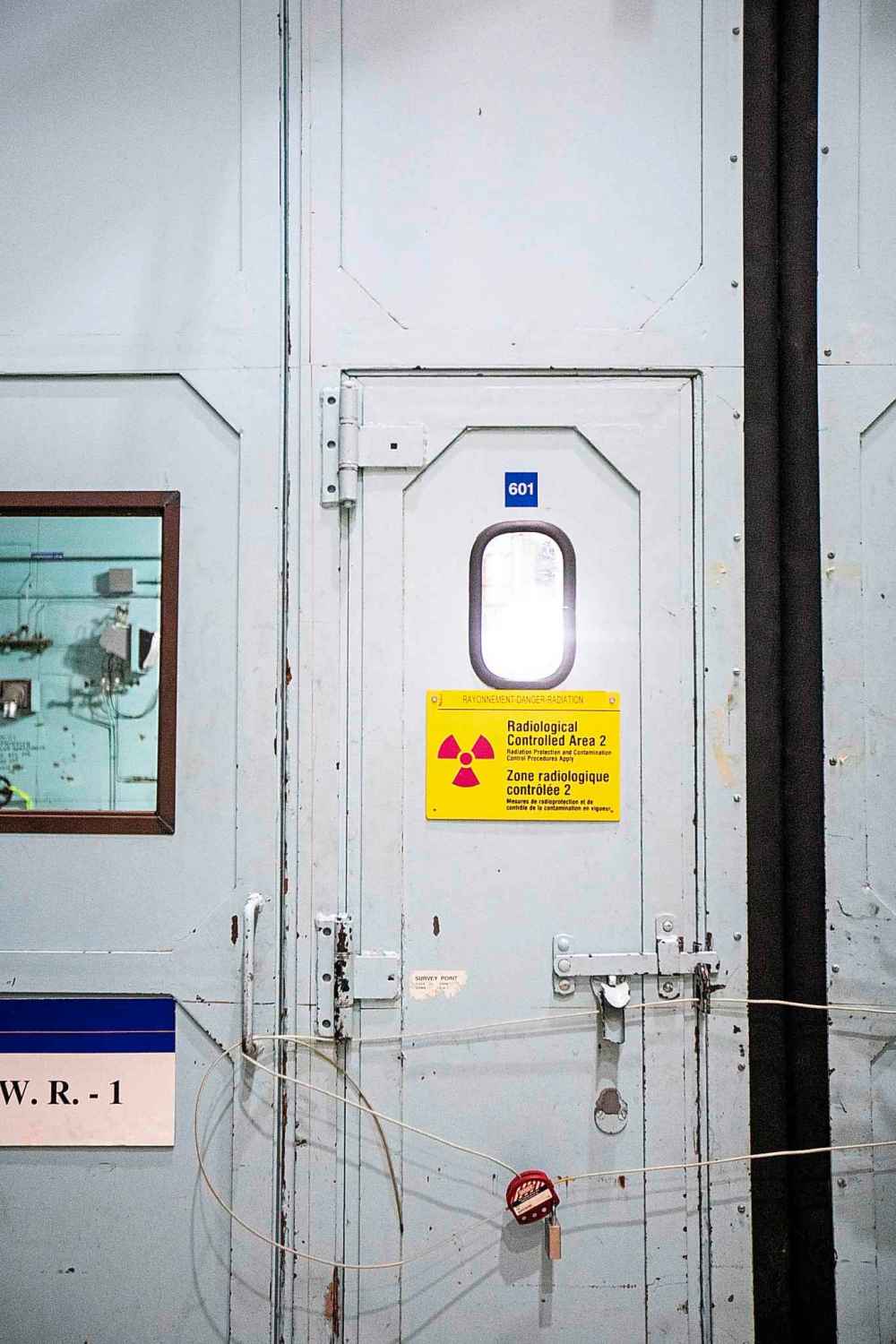
The WR-1 reactor building at the Canadian Nuclear Laboratories Whiteshell Laboratories Restoration Project
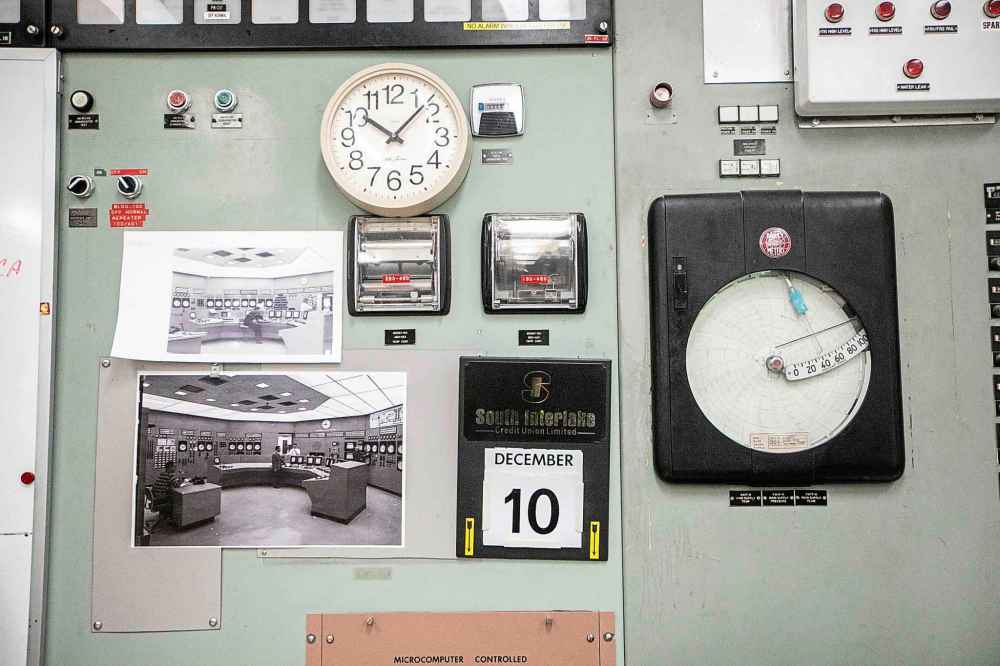
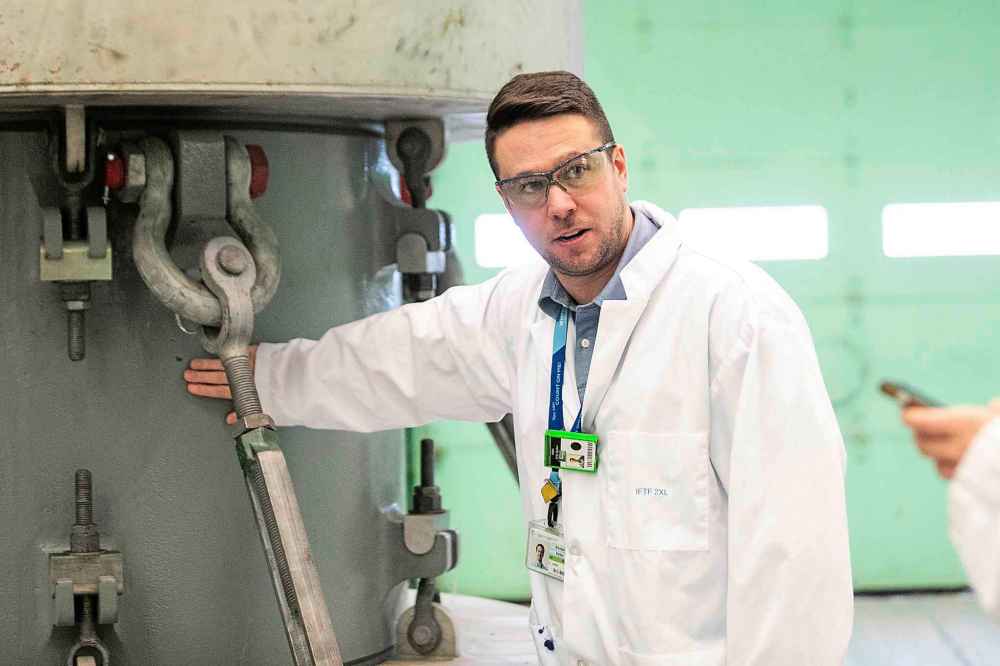
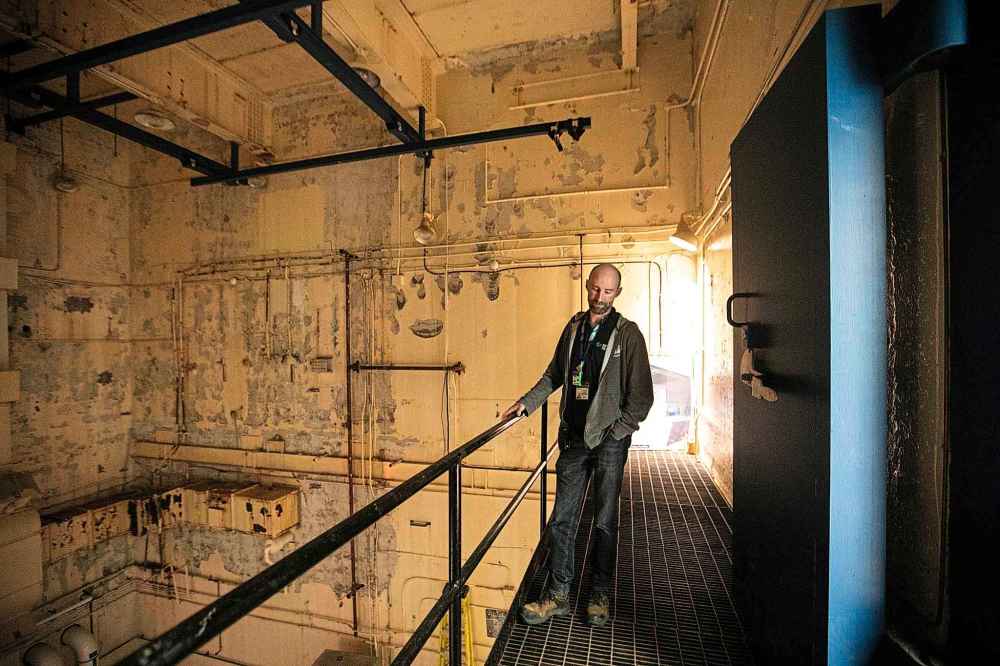
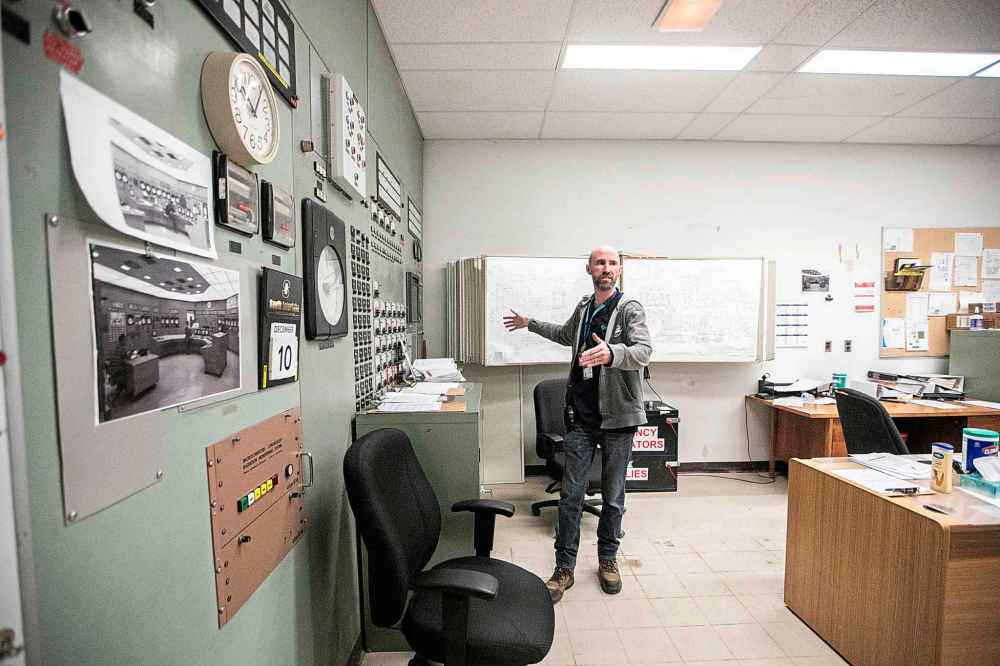
Jeff Miller shows what is left of the control room in the WR-1 reactor building.
Inside the control room
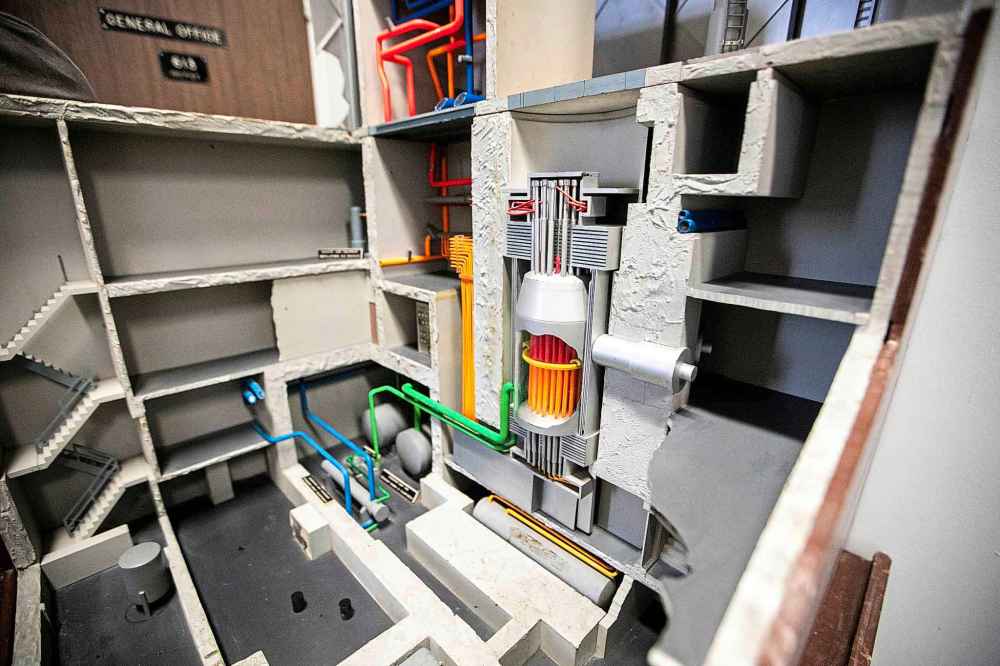
A model in the WR-1 reactor building
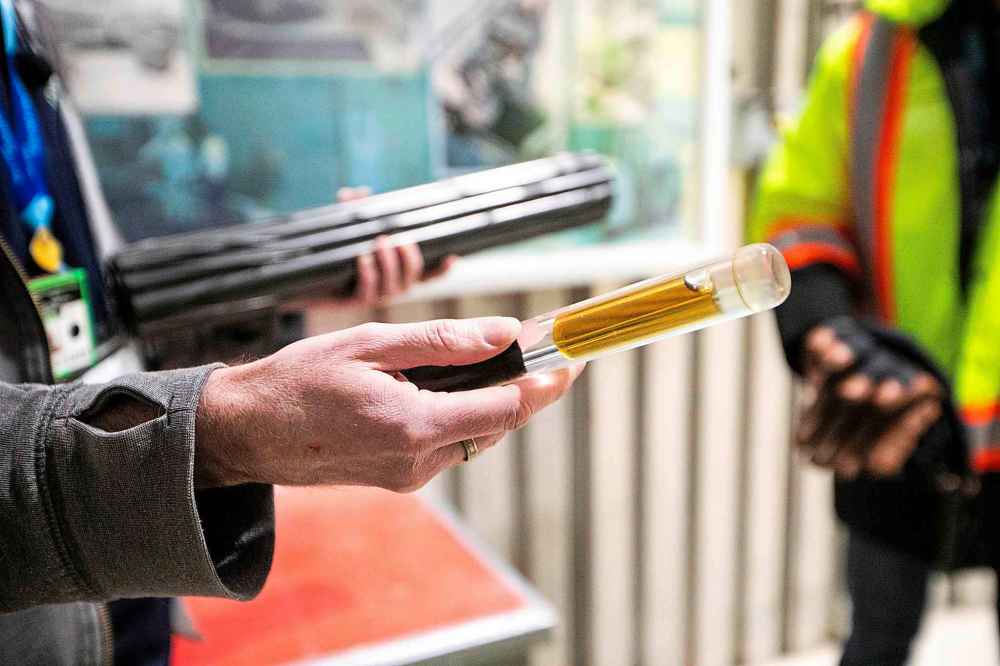
Demonstration models of organic coolant and fuel bundles
Around 500 staff — from surrounding communities and Winnipeg — work at the plant daily. Lately, staff have been reconditioning historic waste.
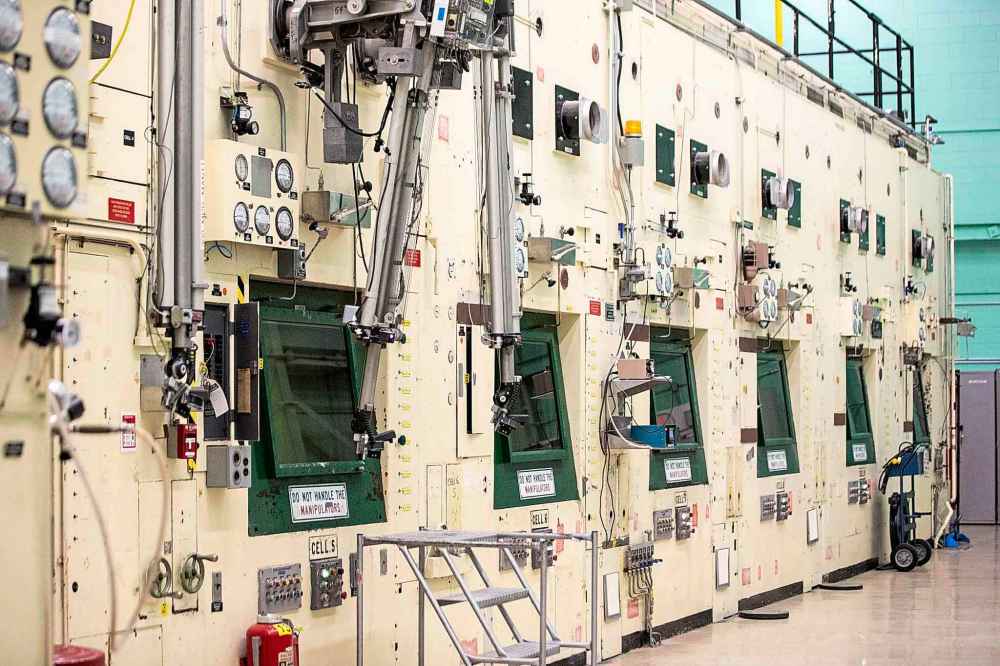
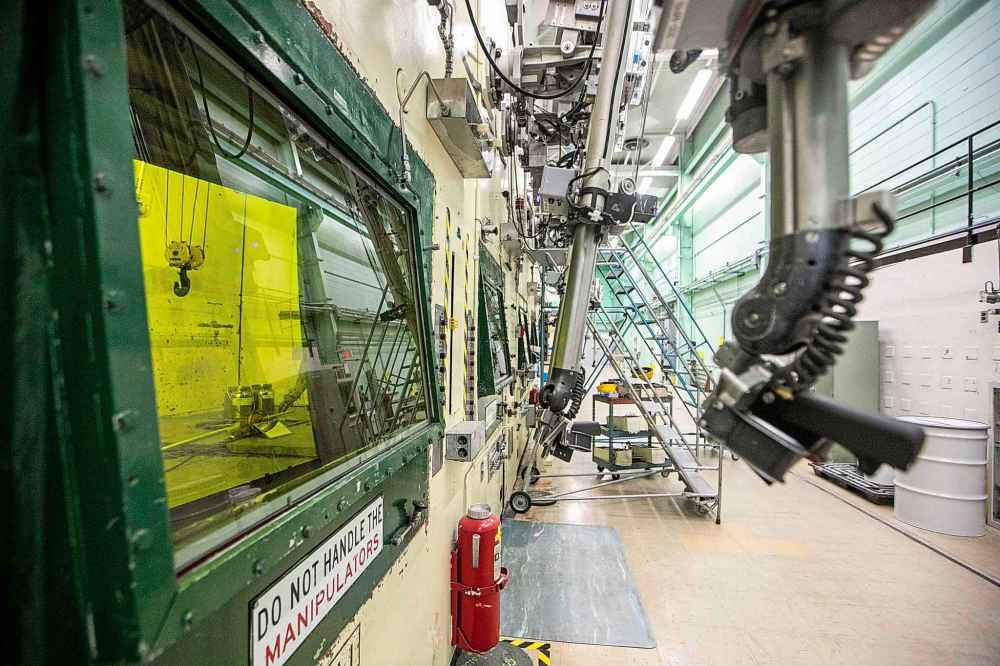
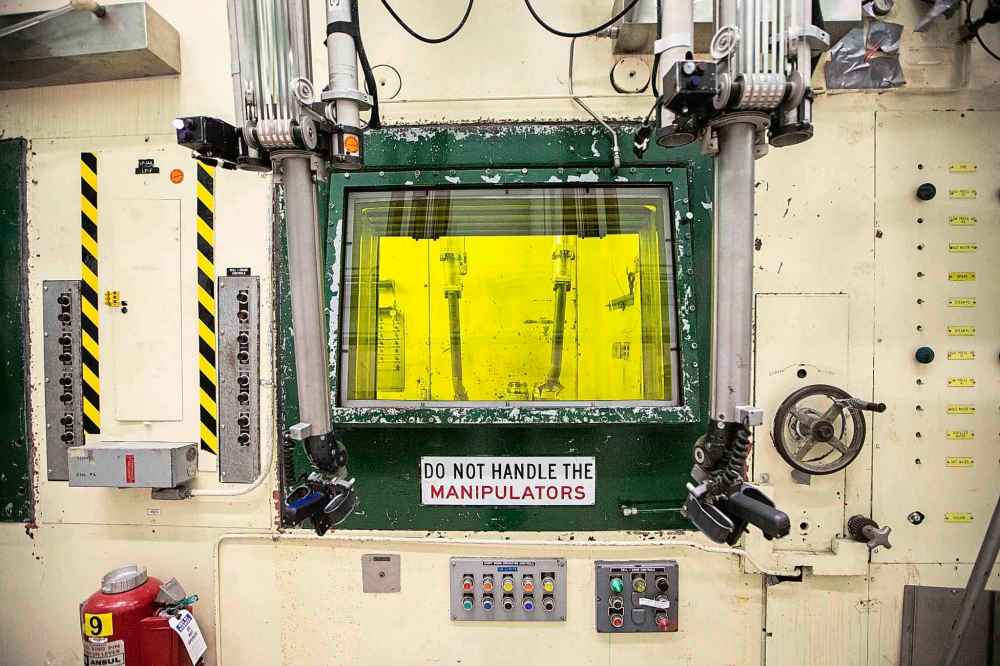
Radioactive materials sit behind the 1.4-metre-thick glass, which is interspersed with mineral wrap.
Staff have six hot cells, as they’re called, to work from. Researchers direct a robotic arm to move items.
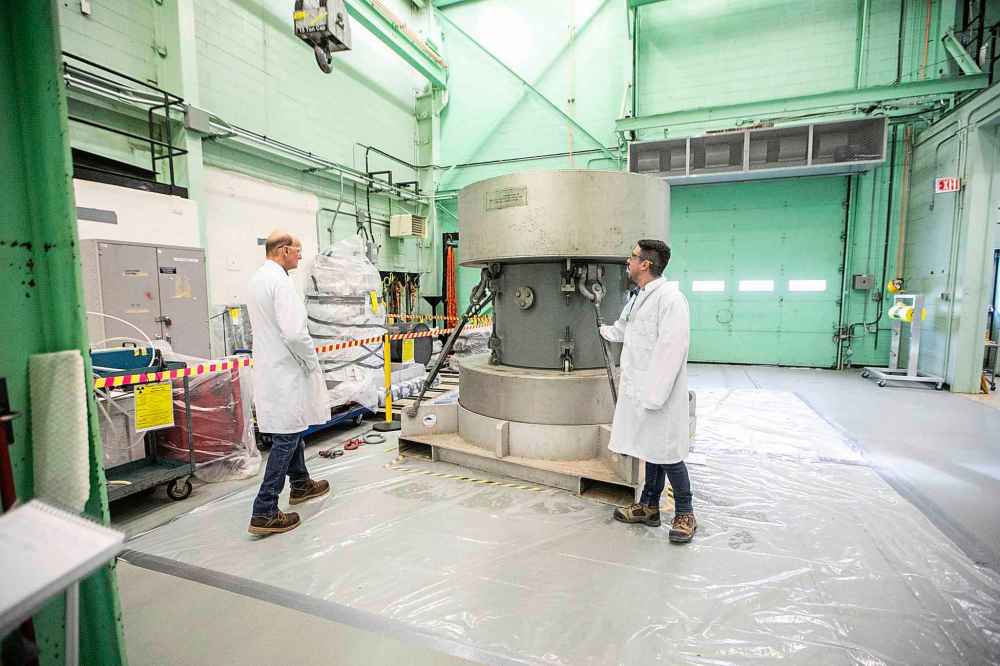
Site manager Brian Wilcox (left) and Brendan Barber show an Optimus transport cask in the hot cell room
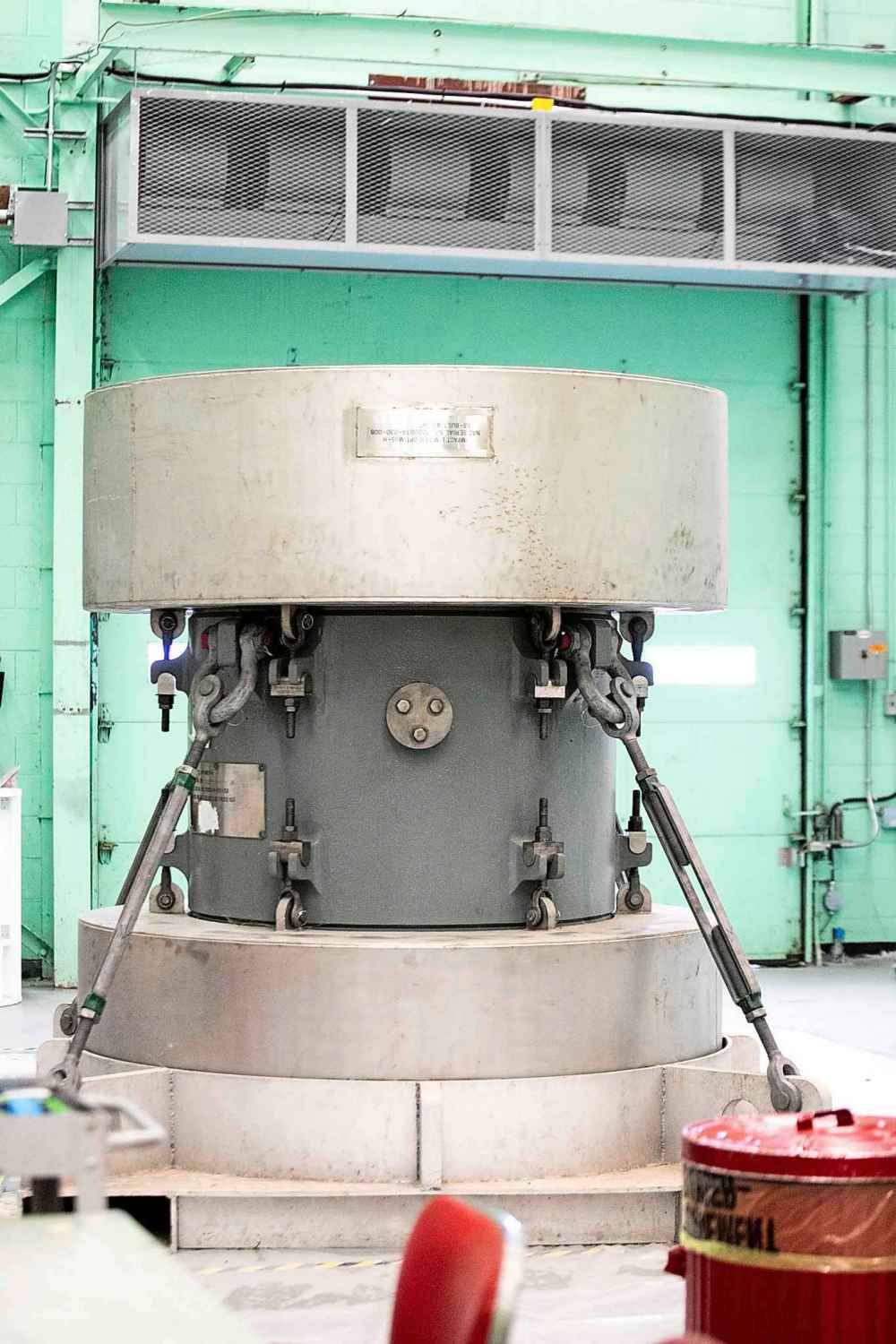
An Optimus transport cask in the hot cell room
Brendan Barber shows an Optimus transport cask
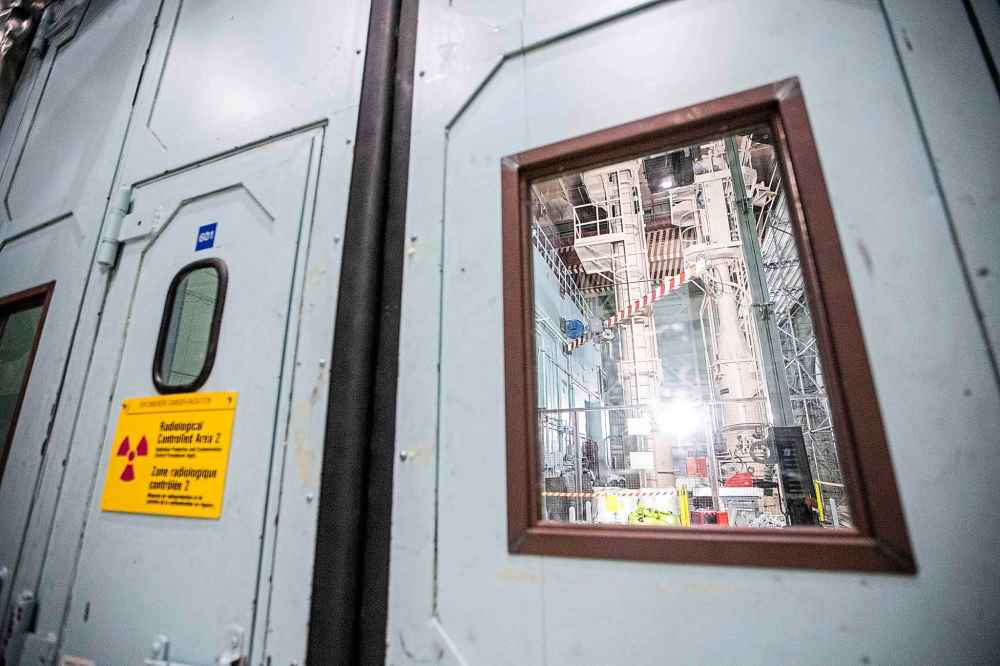
A peek inside the reactor hall
Inside the reactor hall, as seen from an access hallway
A reactor hall access hallway at the WR-1 reactor building
Jeff Miller in the C loop room, which formerly housed pumps and heat exchangers.
Outside the WR-1 reactor building. Eventually, at a building next door, about 7,500 cubic metres of concrete will be poured over a nuclear reactor, essentially entombing it.
Post-decommissioning, most of the 11,000 acres — 99.5 per cent — will be reusable, according to Canadian Nuclear Laboratories, the private company overseeing the decommissioning.
Mikaela MacKenzie

Mikaela MacKenzie
Photojournalist

Mikaela MacKenzie loves meeting people, experiencing new things, and learning something every day. That's what drove her to pursue a career as a visual journalist — photographers get a hands-on, boots-on-the-ground look at the world.

Our newsroom depends on a growing audience of readers to power our journalism. If you are not a paid reader, please consider becoming a subscriber.

Our newsroom depends on its audience of readers to power our journalism. Thank you for your support.

Report Error Submit a Tip