WEATHER ALERT

Welcome to the dark side Artemis II crew captures eclipse, Earthrise, far side of moon during lunar flyby

NASA released new photos Tuesday captured by the Artemis II astronauts.

Read this article for free:

or

Already have an account? Log in here »

To continue reading, please subscribe:

Monthly Digital Subscription

$1 per week for 24 weeks*

  • Enjoy unlimited reading on winnipegfreepress.com
  • Read the E-Edition, our digital replica newspaper
  • Access News Break, our award-winning app
  • Play interactive puzzles

*Billed as $4.00 plus GST every four weeks. After 24 weeks, price increases to the regular rate of $19.95 plus GST every four weeks. Offer available to new and qualified returning subscribers only. Cancel any time.

Monthly Digital Subscription

$4.99/week*

  • Enjoy unlimited reading on winnipegfreepress.com
  • Read the E-Edition, our digital replica newspaper
  • Access News Break, our award-winning app
  • Play interactive puzzles

*Billed as $19.95 plus GST every four weeks. Cancel any time.

To continue reading, please subscribe:

Add Free Press access to your Brandon Sun subscription for only an additional

$1 for the first 4 weeks*

  • Enjoy unlimited reading on winnipegfreepress.com
  • Read the E-Edition, our digital replica newspaper
  • Access News Break, our award-winning app
  • Play interactive puzzles
Start now

No thanks

*Your next subscription payment will increase by $1.00 and you will be charged $16.99 plus GST for four weeks. After four weeks, your payment will increase to $23.99 plus GST every four weeks.

NASA released new photos Tuesday captured by the Artemis II astronauts.

Artemis II’s lunar fly-around and intense observation period lasted seven hours.

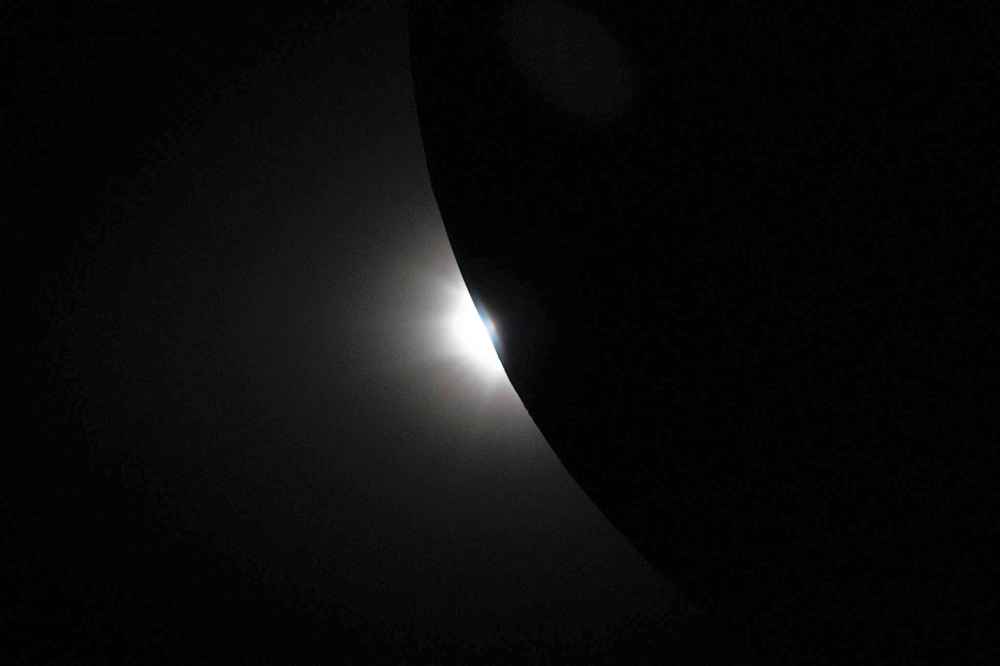
A total solar eclipse greeted the three Americans and one Canadian as the moon temporarily blocked the sun from their perspective.
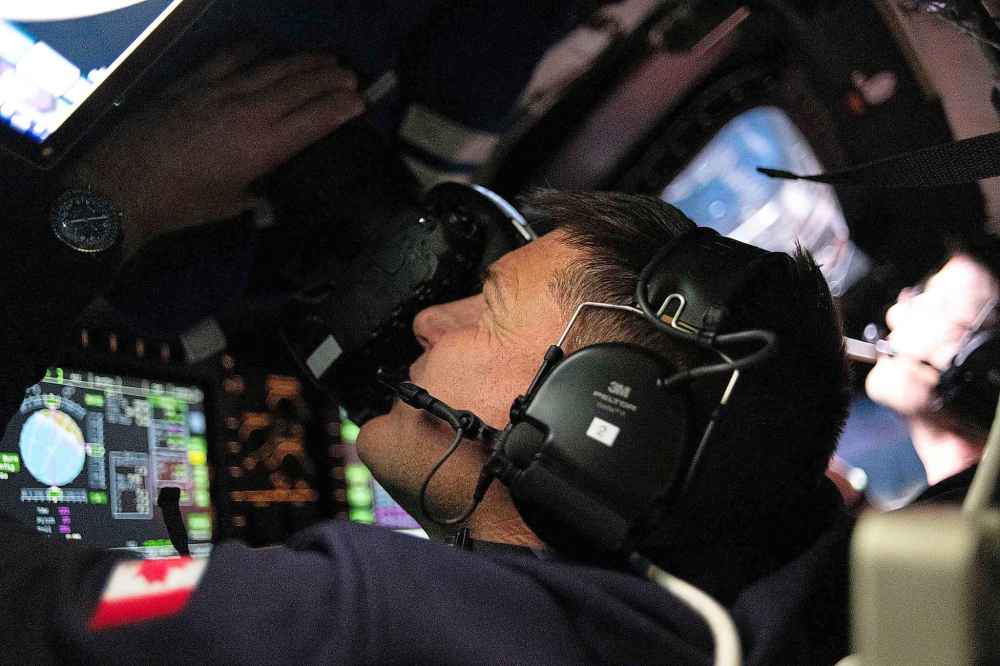
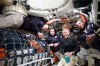
Canadian astronaut Jeremy Hansen takes images through the Orion spacecraft window early in teh Artemis II lunar flyby. (NASA)

Venturing as close as 4,067 miles (6,545 kilometers) to the gray dusty surface, the astronauts zipped through a list of more than two dozen photo targets, using powerful Nikon cameras as well as their iPhones to zoom in on impact craters and other intriguing lunar features.

The U.S.-Canadian crew has now begun their return to Earth. They will splashdown in the Pacific near San Diego on Friday.

With files from The Associated Press
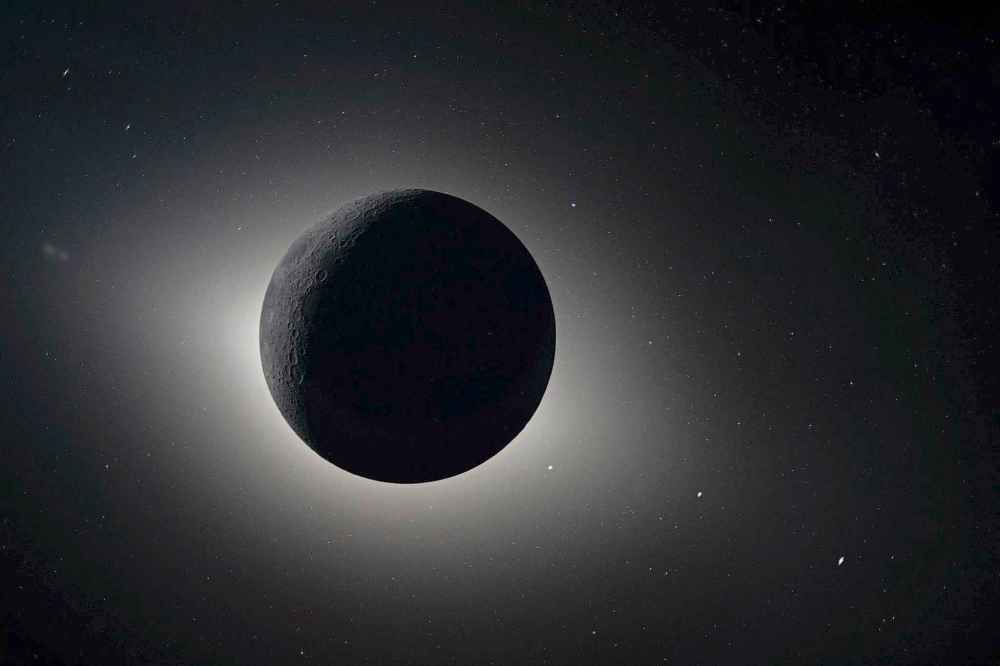


The moon eclipses the sun as seen from the Artemis II mission lunar flyby on Monday, April 6, 2026. (NASA / The Associated Press)


From this deep-space vantage point, the moon appeared large enough to sustain nearly 54 minutes of eclipse totality, far longer than total solar eclipses typically seen from Earth. The bright silver glint on the left edge of the image is the planet Venus. (NASA)
The sun begins to peek out from behind the moon as the eclipse transitions out of totality. (NASA / The Associated Press)
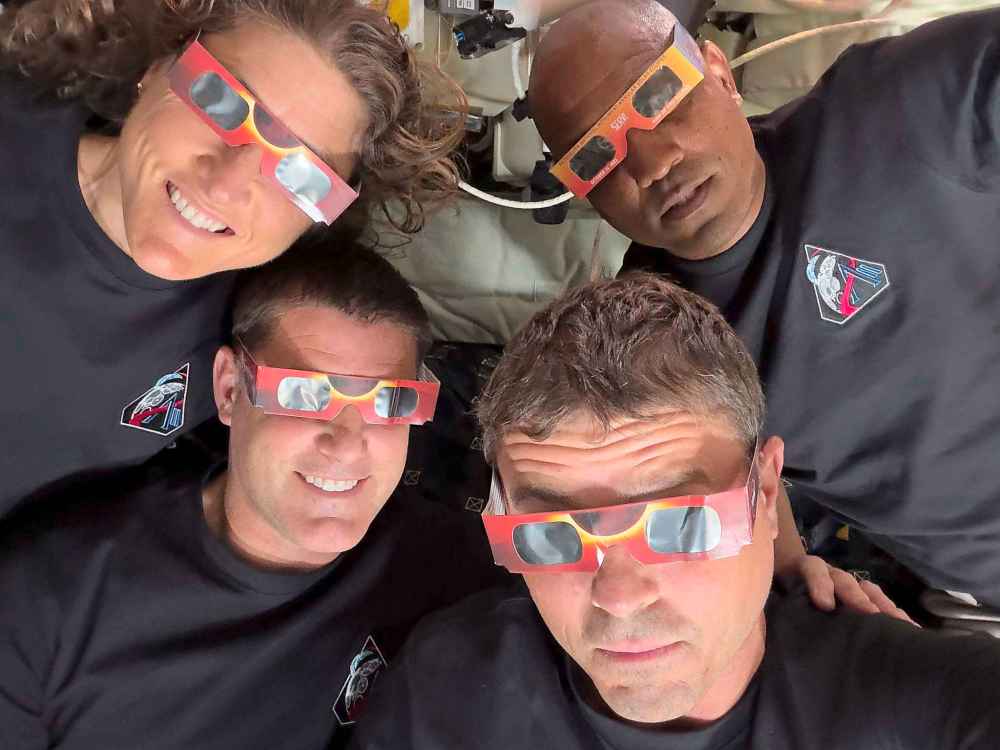
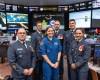
The Artemis II crew pose with eclipse viewers. Counterclockwise from top left: Mission Specialist Christina Koch, Mission Specialist Jeremy Hansen, Commander Reid Wiseman, and Pilot Victor Glover. (NASA / The Associated Press)
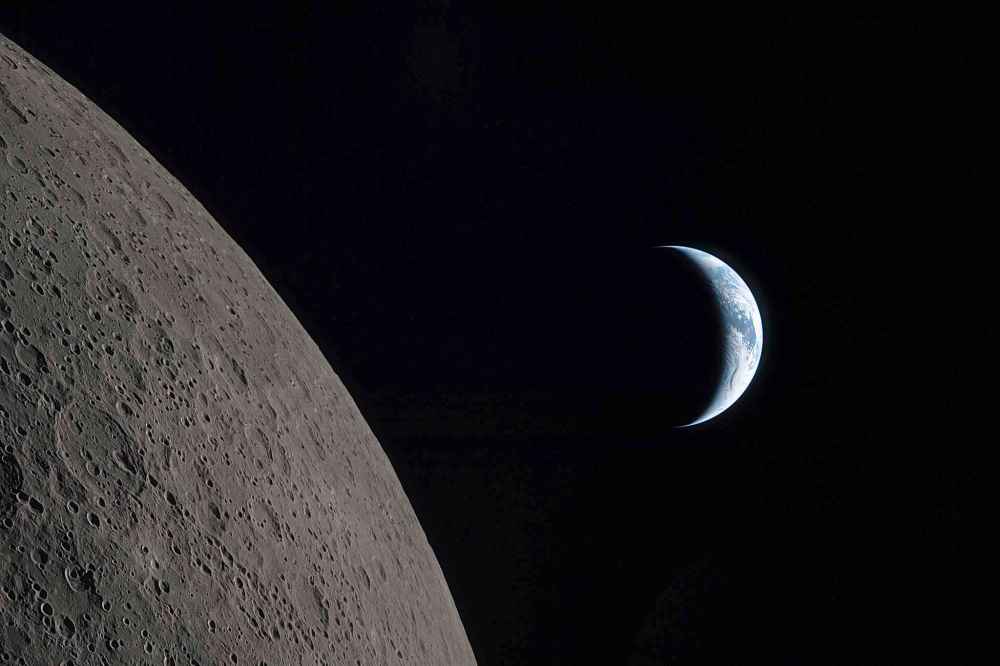
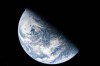
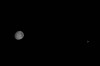
Earth next to the moon before Earthset. (NASA / The Associated Press)
This image was captured at 6:41 p.m. EDT, on April 6, 2026, just three minutes before the Orion spacecraft and its crew went behind the Moon and lost contact with Earth for 40 minutes before emerging on the other side. (NASA)
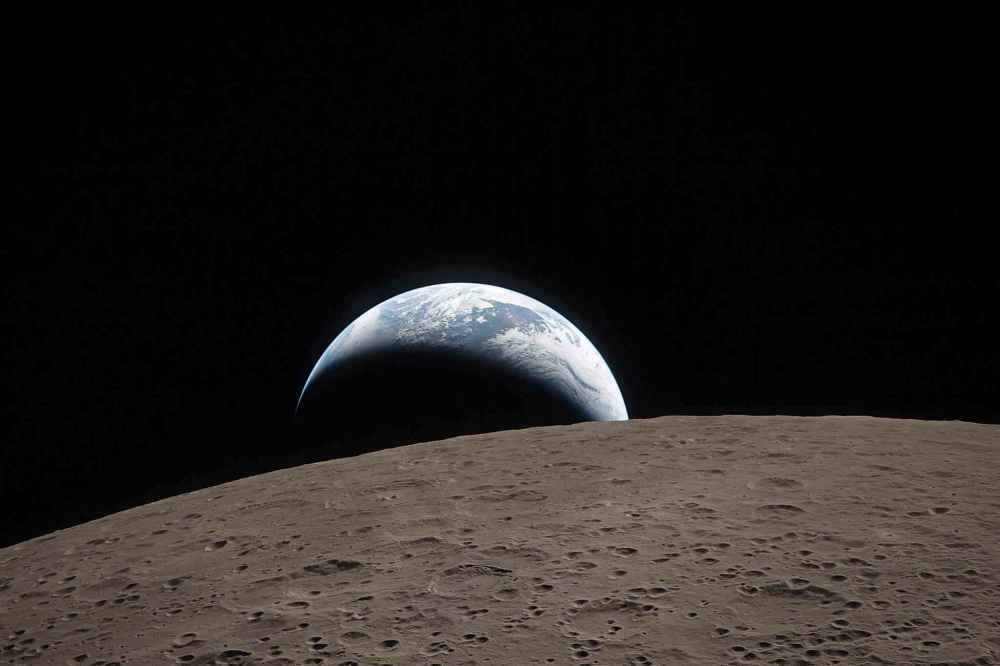
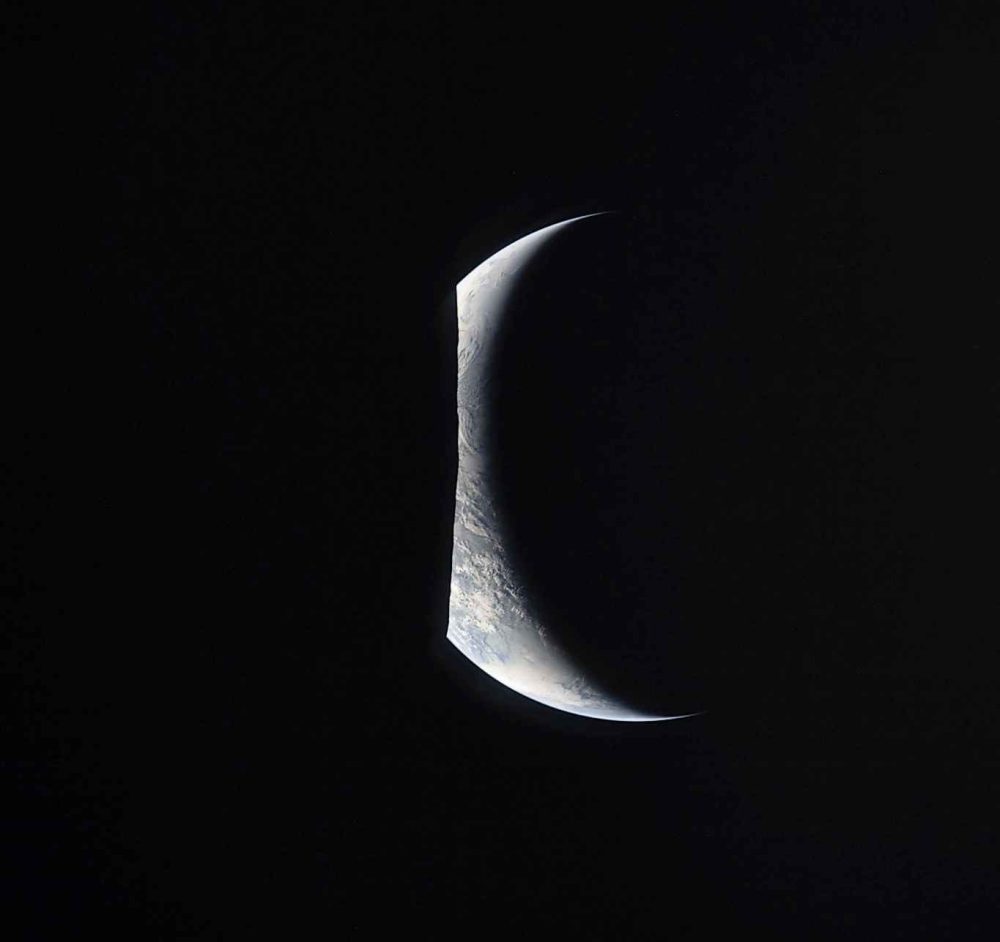
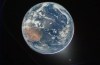
Earthset captured through the Orion spacecraft window. The dark portion of Earth is experiencing nighttime. On Earth’s day side, swirling clouds are visible over Australia and Oceania. (NASA / The Associated Press)
Another view of Earthset. (NASA)
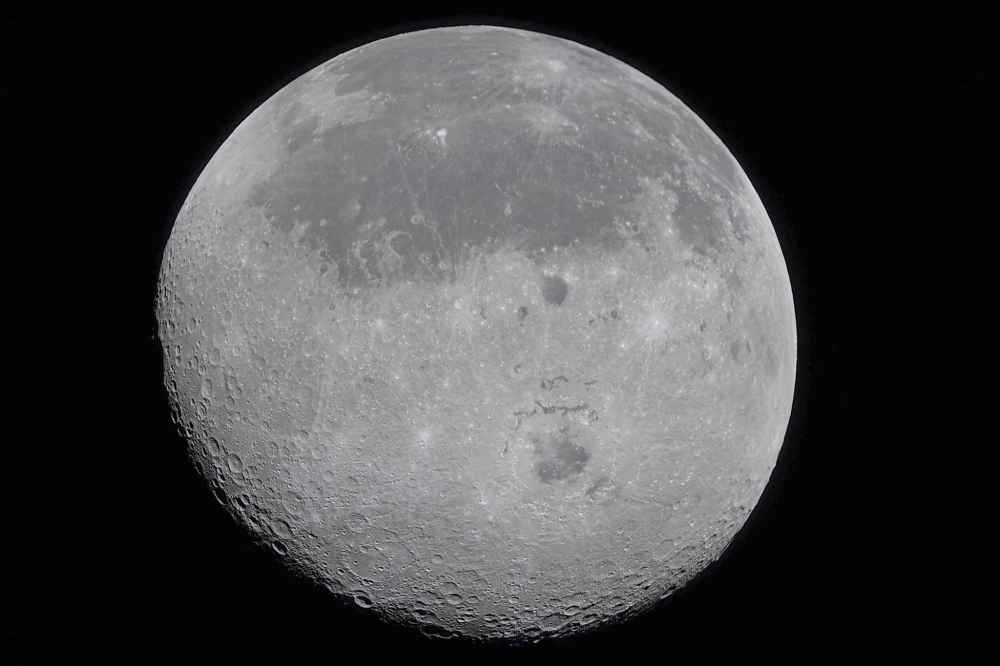
The near side of the moon (the hemisphere we see from Earth) is visible at the top half of the disk, identifiable by the dark splotches that are ancient lava flows. At the lower center is Orientale basin, a nearly 600-mile-wide crater that straddles the Moon’s near and far sides. Everything below the crater is the far side, not visible from Earth. (NASA / The Associated Press)
The Orientale basin has a black patch of ancient lava in the center that punched through the Moon’s crust in an eruption billions of years ago. (NASA)
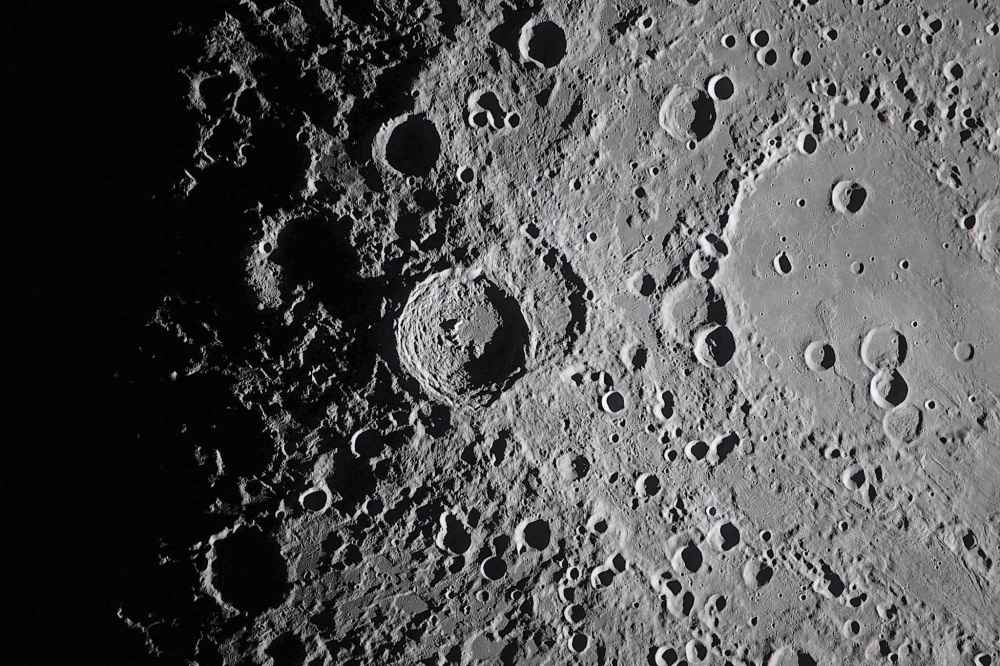
Vavilov Crater on the rim of the older and larger Hertzsprung basin. (NASA / The Associated Press)
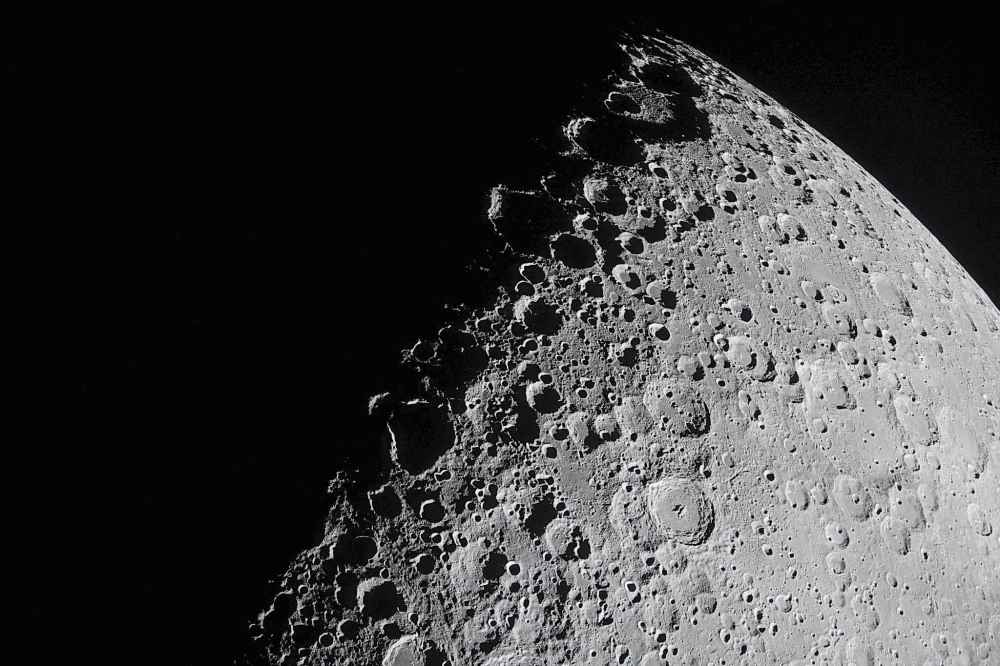
Part of the moon comes into view along the terminator -- the boundary between lunar day and night. (NASA / The Associated Press)
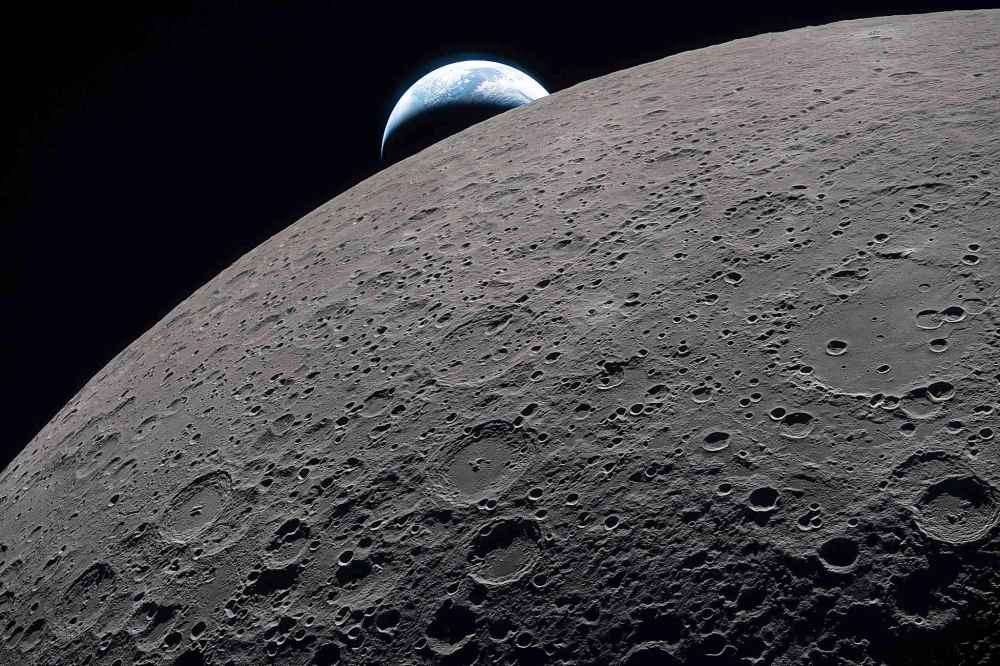
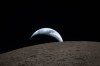
Earthrise captured through the Orion spacecraft window at 7:22 p.m. ET during the Artemis II crew’s flyby of the moon’s far side.  (NASA)
Earthrise captured through the Orion spacecraft window at 7:22 p.m. ET during the Artemis II crew’s flyby of the moon’s far side. (NASA)
Report Error Submit a Tip