GARDENING: Feeding your soil
Is composting better in spring or fall? It depends
Advertisement
Read this article for free:
or
Already have an account? Log in here »
To continue reading, please subscribe:
Monthly Digital Subscription
$0 for the first 4 weeks*
- Enjoy unlimited reading on winnipegfreepress.com
- Read the E-Edition, our digital replica newspaper
- Access News Break, our award-winning app
- Play interactive puzzles
*No charge for 4 weeks then price increases to the regular rate of $19.00 plus GST every four weeks. Offer available to new and qualified returning subscribers only. Cancel any time.
Monthly Digital Subscription
$4.75/week*
- Enjoy unlimited reading on winnipegfreepress.com
- Read the E-Edition, our digital replica newspaper
- Access News Break, our award-winning app
- Play interactive puzzles
*Billed as $19 plus GST every four weeks. Cancel any time.
To continue reading, please subscribe:
Add Free Press access to your Brandon Sun subscription for only an additional
$1 for the first 4 weeks*
*Your next subscription payment will increase by $1.00 and you will be charged $16.99 plus GST for four weeks. After four weeks, your payment will increase to $23.99 plus GST every four weeks.
Read unlimited articles for free today:
or
Already have an account? Log in here »
Hey there, time traveller!
This article was published 18/09/2010 (5567 days ago), so information in it may no longer be current.
Adding compost to your garden is one of the most important things you can do for your plants. Compost adds much more than nutrients, it actually feeds your soil.
Unlike chemical fertilizers that supply a quick burst of nutrients that either wash quickly into our rivers or actually harm soils by disrupting microorganisms, compost adds a diversity of nutrients and microorganisms to your soil that enhance plant growth. Compost has the added benefits of increasing soil stability, improving drainage and retaining moisture. No chemical fertilizer can do that!
With fall quickly approaching, gardeners want to know when the best time is to add compost to their soil — now or wait until spring? As the operator of Green Action Centre’s compost info line, this is a common question and the answer is generally fall — but not always!
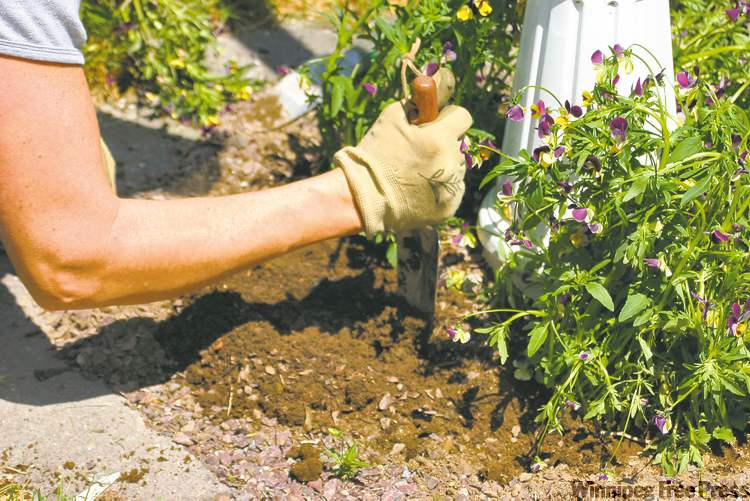
According to the Rodale Book of Composting (which is generally considered the composting bible), it is best to add compost in the spring about one month before planting. For the average gardener, though, there are two reasons why I don’t usually recommend this. The first reason simply has to do with weather. In Manitoba it can be hard to predict when the last frost will occur and planting times are highly variable. The second, and more important reason, has to do with the maturity of your compost.
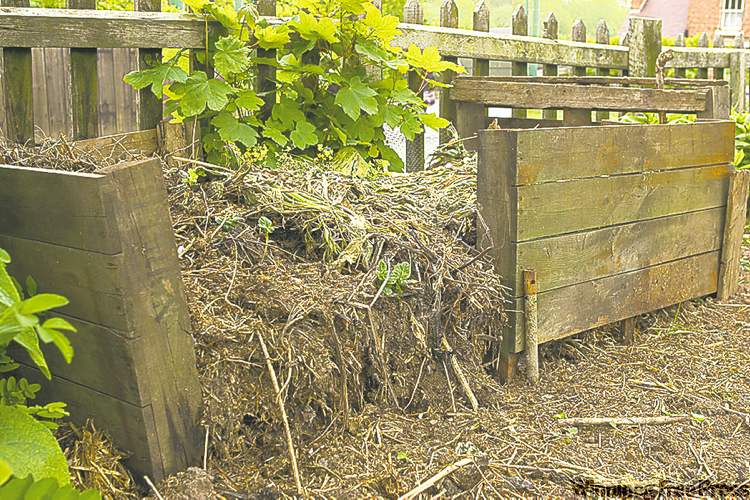
Composting at home is not only a great way to help the environment, it also supplies you with free compost! The finished compost generally contains a wide variety of minerals and nutrients due to the variety of food scraps and yard trimmings added to the bin, and it is excellent for your garden. When removing compost from your bin or pile it can sometimes be tricky to know if the compost is finished or mature. Mature compost refers to the stable end product of decomposition. Organic material, like food waste, has been converted by microorganisms into a material that has nutrients readily available for plants, and is low in phytotoxic acids that can injure plants.
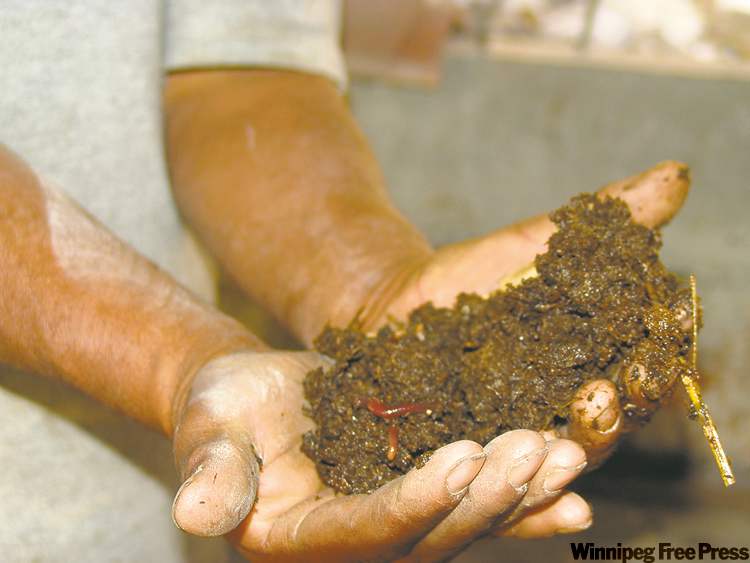
Finished compost is dark brown in colour, has an earthy smell and does not have any visible food waste remaining. If your compost has a sour ammonia or rotten egg/sulpher odour, the composting process is not finished. It needs more time and it also may need some brown materials, like dry leaves or shredded paper. If the compost looks and smells good, but has some leaves, twigs or other woody debris, don’t worry — it can still be used. Eggshells will also remain in finished compost, but will slowly break down to release nutrients into your soil. If you are new to composting and not sure if your compost is finished, add it in the fall. By spring it will have finished the decomposition process in the soil and be ready for planting.
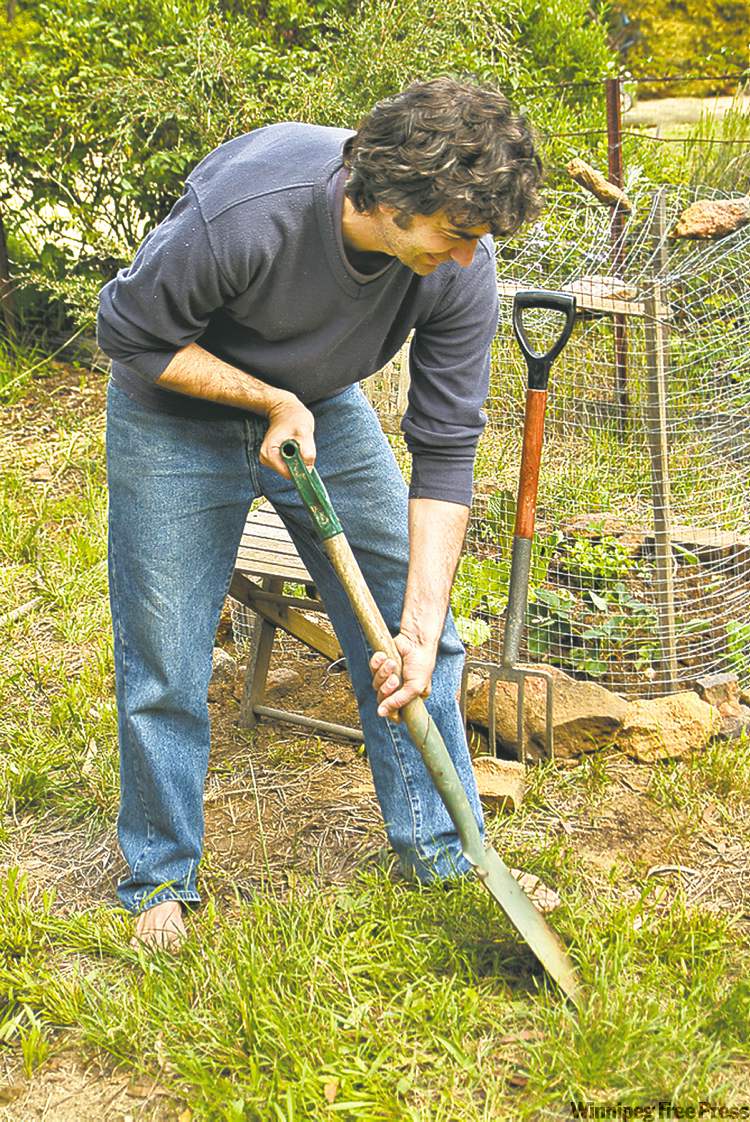
The next step is deciding how much to add. There is almost no need to worry about adding too much compost, especially when adding in the fall. Most people have the opposite problem: they can’t seem to get enough! Add a minimum of half-inch to three inches, then turn it into the top four inches of soil. If you have really poor soil, dig any remaining or partially finished compost about 12 inches down into the soil, and use the finished (or almost finished) compost on top. No need to worry about levelling out the garden until spring.
Many people have already discovered the rewards of backyard composting, and if you are looking to get started visit www.GreenActionCentre.ca or call 925-3776 for more information and advice.
Kate Bergen, MSc, is a master composter and the backyard composting co-ordinator for Resource Conservation Manitoba.