Living walls
Vertical gardening a great new technique
Advertisement
Read this article for free:
or
Already have an account? Log in here »
To continue reading, please subscribe:
Monthly Digital Subscription
$0 for the first 4 weeks*
- Enjoy unlimited reading on winnipegfreepress.com
- Read the E-Edition, our digital replica newspaper
- Access News Break, our award-winning app
- Play interactive puzzles
*No charge for 4 weeks then price increases to the regular rate of $19.95 plus GST every four weeks. Offer available to new and qualified returning subscribers only. Cancel any time.
Monthly Digital Subscription
$4.99/week*
- Enjoy unlimited reading on winnipegfreepress.com
- Read the E-Edition, our digital replica newspaper
- Access News Break, our award-winning app
- Play interactive puzzles
*Billed as $19.95 plus GST every four weeks. Cancel any time.
To continue reading, please subscribe:
Add Free Press access to your Brandon Sun subscription for only an additional
$1 for the first 4 weeks*
*Your next subscription payment will increase by $1.00 and you will be charged $16.99 plus GST for four weeks. After four weeks, your payment will increase to $23.99 plus GST every four weeks.
Read unlimited articles for free today:
or
Already have an account? Log in here »
Hey there, time traveller!
This article was published 12/03/2011 (5413 days ago), so information in it may no longer be current.
Living walls, also referred to as “green walls,” are vertical gardening systems that offer a convenient and esthetically pleasing solution to gardening.
The vertical garden is offered in many different sizes and shapes, making it an option to dress up any space, inside or out.
Along with the esthetics, vertical gardens offer many benefits, including sustainability, acoustics, air quality, convenience, energy savings and simply promoting general health and wellness.
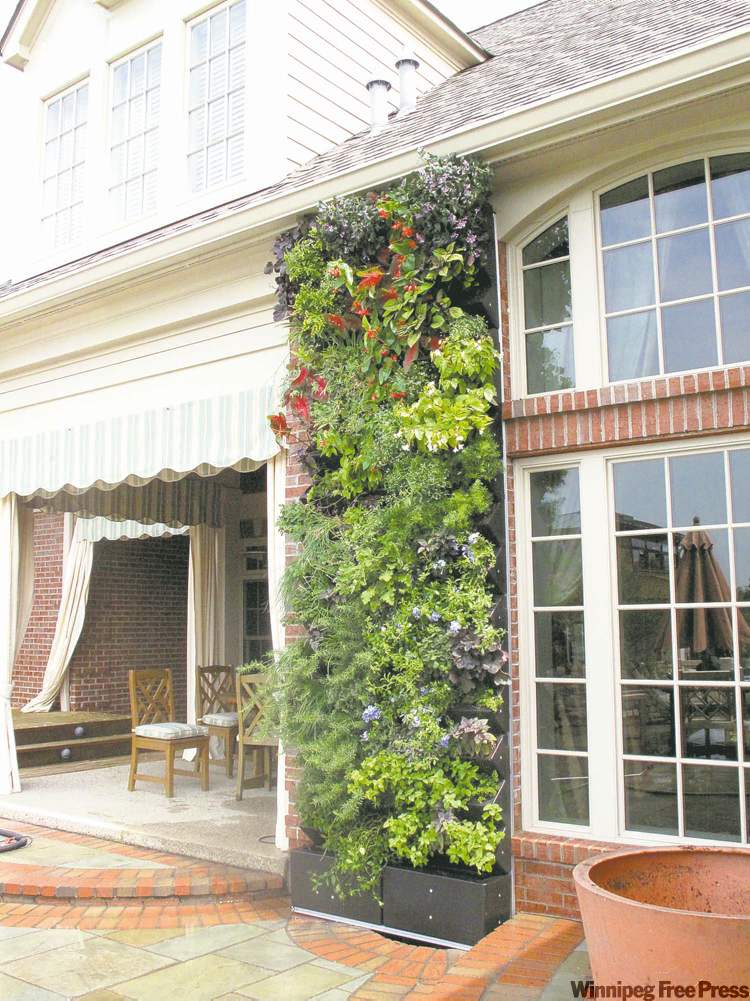
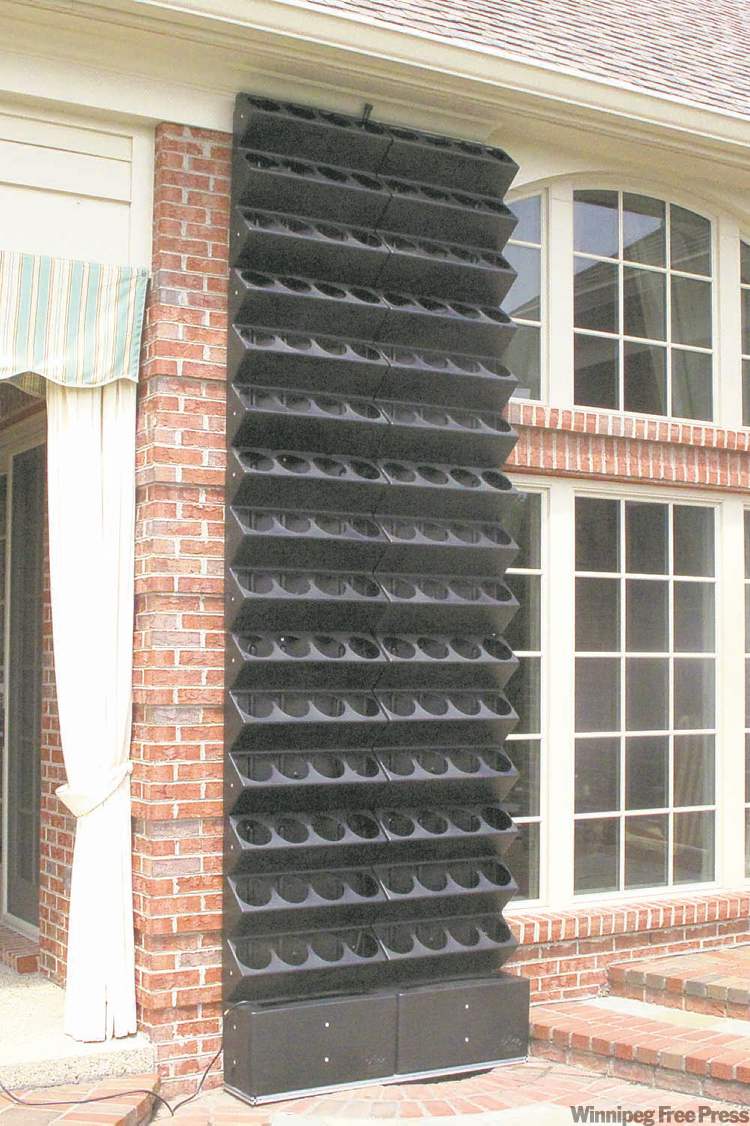
The concept of the living wall is simple. It’s a manufactured planting area built vertically, rather than a typical horizontal planter. The plants root in the structure itself, rather than from the ground. With a built-in water-pumping system, the structure is considered self-sustainable, and requires very little maintenance.
The water reservoir is located at the base of the structure, from which the water is pumped up the back of the wall and released down into the planting area on a timed cycle. These environmentally sound ‘sub-irrigated’ planters introduce water from the bottom of the planter, allowing it to soak upwards through the soil to the root system, as it would in nature.
The planting area itself features lightweight (yet durable) rotational moulded pieces with circular openings in which you can directly plant. You can also choose to drop in pre-potted plants that can be changed often and easily.
The planting system is fastened to the wall itself, is able to withstand indoor and outdoor climates, and can be left out all winter without being damaged.
Simple to install and plant, the options with the vertical planting systems are endless. By utilizing a variety of colours, textures and sizes of plants, patterns and designs can be created for literally any space. Gardening is now possible on a larger scale in smaller spaces such as balconies, small patios or tight, irregularly shaped areas.
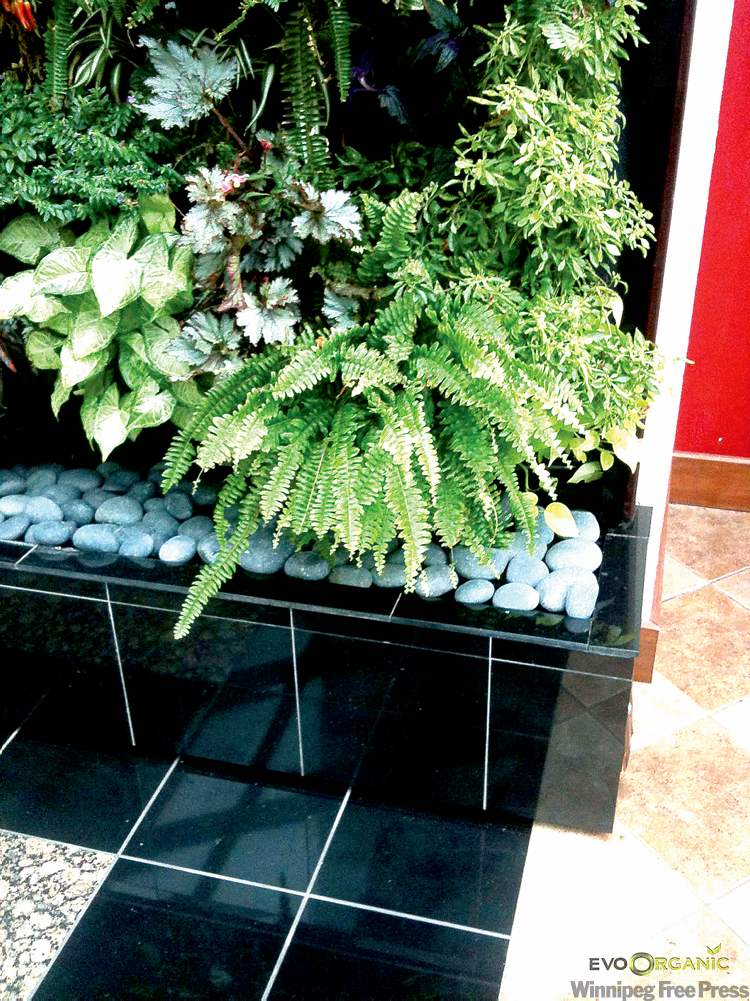
Green walls are an up-and-coming trend. Recognized for both their interior and exterior use, the green wall can house many different types of plants, from an indoor herb garden (both practical and creative) to a display of colourful flowers and foliage that can be changed to coincide with the season.
The esthetic and creative benefits are not to be outdone by the many other practical benefits of a living-wall system, such as health benefits and energy savings. The view of beautiful plants in an interior space reduces stress and helps to improve air quality by filtering in oxygen and removing toxins from the air. These effects are multiplied in cold climates such as ours, with long and frigid winters. Each additional plant adds to the improved air quality, so the bigger the green wall, the more benefits you will see from it. In the summertime, an indoor green wall can act as a cooling system since plants are much cooler than an exposed wall would be, drastically reducing your cooling requirements and saving you on monthly hydro bills.
And, of course, the opportunity for creativity outdoors is endless — simply replace individual plants as needed or when you want to make an entirely new and personalized statement. Imagine creating a stunning display of flowering spring plants that, two months later, can evolve into a fresh new display of colorful foliage plants such as coleus.
An interesting use for these unique self-watering planters can be found in communities such as Bethesda, Md., where underutilized public plots of land have become successful above-ground food-growing projects. They are ideal for community gardening programs because they are low in maintenance.
Water frequencies are dramatically reduced as the water is not directly affected by wind and sun, helping to reduce evaporation and saving a significant amount of water, time and energy. Sub-irrigation maintains a healthy balance of moisture and oxygen in the soil at all times promoting rapid and lush plant growth.
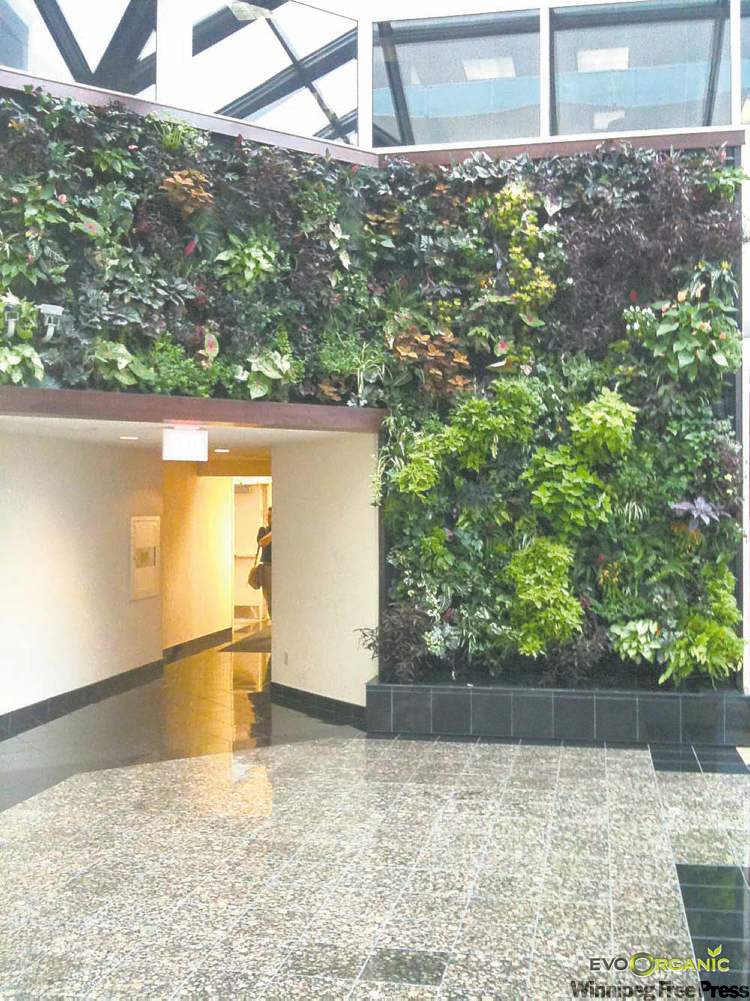
Any vertical garden, whether indoors or out, can be customized to your preferred size and look. Flowers or vegetables? It’s your choice.
To learn more about the possibilities vertical gardening offers and to see examples of this new trend, visit Laura Wittig at the Equinox Environmental Products booth at Gardening Saturday, March 26, at the Canadian Mennonite University. For more details visit www.friendsconservatory.com