

GARDENING: It’s bulb time again
Plant them now for spring and summer blooms
Advertisement
Read this article for free:
or
Already have an account? Log in here »
To continue reading, please subscribe:
Digital Subscription
One year of digital access for only $75*
- Enjoy unlimited reading on winnipegfreepress.com
- Read the E-Edition, our digital replica newspaper
- Access News Break, our award-winning app
- Play interactive puzzles
*Billed as $5.77 plus GST every four weeks. After 52 weeks, price increases to the regular rate of $19.95 plus GST every four weeks. Offer available to new and qualified returning subscribers only. Cancel any time.
Monthly Digital Subscription
$4.99/week*
- Enjoy unlimited reading on winnipegfreepress.com
- Read the E-Edition, our digital replica newspaper
- Access News Break, our award-winning app
- Play interactive puzzles
*Billed as $19.95 plus GST every four weeks. Cancel any time.
To continue reading, please subscribe:
Add Free Press access to your Brandon Sun subscription for only an additional
$1 for the first 4 weeks*
- Enjoy unlimited reading on winnipegfreepress.com
- Read the E-Edition, our digital replica newspaper
- Access News Break, our award-winning app
- Play interactive puzzles
*Your next Brandon Sun subscription payment will increase by $1.00 and you will be charged $17.95 plus GST for four weeks. After four weeks, your payment will increase to $24.95 plus GST every four weeks.
Read unlimited articles for free today:
or
Already have an account? Log in here »
Hey there, time traveller!
This article was published 15/09/2012 (4998 days ago), so information in it may no longer be current.
Blooming bulbs beckon us
Al Pacino’s character, Michael Corleone, has a scene in the movie, The Godfather, where he says, “Just when I thought I was out, they pull me back in.”
Corleone was not a gardener but he could have been talking about bulbs. Just when we think we are almost done with the garden for another season, colourful packages of spring blooming bulbs beckon us once again.
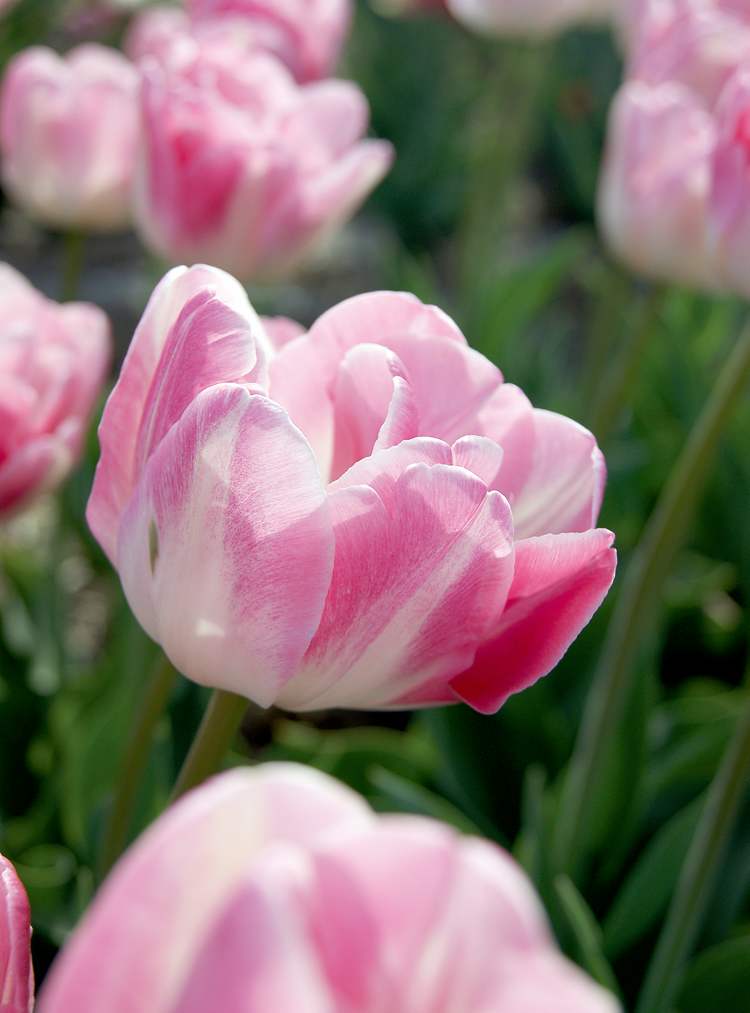
Tulips, daffodils, little treasures such as galanthus, the perennial favourite, crocus, and much more are available now at garden centres and are ready for planting. Who can resist? If deer feast on your tulip bulbs, try planting iris reticulata or allium. Look for the deer and squirrel-resistant logo on packaging.
Carol Bender, today’s contributor, is a master gardener and volunteer with the Friends of the Beausejour Daylily Gardens, which planted almost 1,000 tulips and daffodils to commemorate Beausejour’s 100th birthday.
Fall Plant Sales
Friends of Gardens Manitoba, 10 a.m. to 3 p.m. today, at the Canadian Mennonite University, 500 Shaftesbury Blvd. Irises, peonies, daylilies, shrubs and perennials.
Friends of Beausejour Daylily Gardens, 9 a.m. to 1 p.m. Sept. 22 at the Beausejour Daylily Gardens, 1st Street North, Beausejour. Daylilies, iris, perennials.
The Manitoba Regional Lily Society will host its Fall Bulb Sales in Winnipeg (Sept. 22), Brandon (Sept. 29) and Dauphin (Oct. 6). Visit www.manitobalilies.ca for full details.
Colleen.Zacharias@gardensmanitoba.com
————————————————
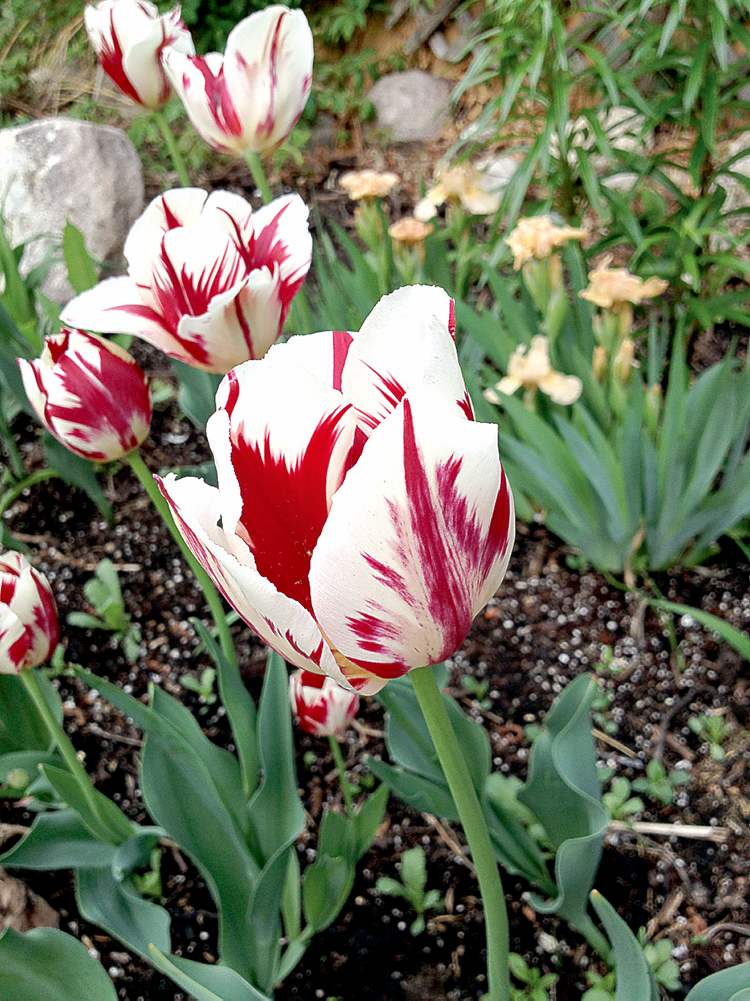
It’s easy as 1-2-3. Plant tulips, daffodils, alliums and lilies in September and October for spring and summer blooms. Bulbs, corms, tubers and rhizomes are available at local garden centres. We have only to open the package, follow a few simple directions and Mother Nature does the rest.
Here are the APPs for making your 2013 garden look like the colourful images in glossy nursery catalogues: Assess, Prepare, Plan.
Assess your property
Start with a camera and some graph paper. Take pictures every six to 10 feet of your garden. Ideally, you should take benchmark shots at the end of May, mid-July, and early September for proof of what worked, and what didn’t.
Assign a number to every plant, shrub and tree and chart its location on graph paper. Include in the legend the height, colour, bloom period, origin and room for comments. Unlike your memory, the chart will tell you, a year from now, where and what you planted and where to over plant annuals.
Prepare the flowerbeds
This is the “no-shortcut” item. Start with a well-drained location that gets at least six hours of sunlight a day. Snowdrops and martagon lilies can thrive in dappled shade.
Aerate (dig) the flower bed to a depth of one foot. Add lots of peat moss, compost, or worm castings to improve the soil texture. Add a bit of gritty sand to clay soils. If soil is too acid, add lime; too alkaline, add sulphur. Aerate again. Good soil is the key to success. Soil test kits are available at garden centres.
Bulbs slowly start to root as soon as they are planted in the cool days of late fall. Plant them pointy part up at the depth indicated on the package. Generally, the tip of the bulb should sit below the surface at a depth three times its height of the bulb.
When bulbs are first planted, work a bit of slow-release bulb fertilizer into the root area to make a larger bulb for next year. Don’t set the bulb directly on the fertilizer because it may burn the roots of the new plant. Some gardeners use bone meal but this may attract rodents that will eat the meal and the bulbs. Squirrels and rodents, however, avoid daffodil bulbs, which are poisonous.
In subsequent springs, apply a light top dressing with a superphosphate fertilizer or work in 15-30-15 to plump up bulbs and help them survive the winter. Apply a mulch over newly planted fall bulbs.
Plan for results
Plant the colours you love. You can change or continue a colour scheme from one season to the next.
This is especially important for sight lines from your windows. Consider scent, texture of plants, and the offset of complimentary perennials.
Plant something new in your backyard every year. Let children choose and plant different bulbs that will bloom over the season.
Keep plantings simple and manageable. Use the background colours of shrubs, fences and buildings to showcase plantings. Use clean lawn mulch and drought tolerant plants to make your garden less demanding every year.
Remember you have a plan. Be strong. In spite of the best plans, some plants are just irresistible.
Tulips are the third-most popular flower in the world and should be part of every spring therapy. They symbolize imagination, dreaminess, perfect lover and a declaration of love. Tulip bulbs are also a good replacement for onions in cooking. However, cooking tulip bulbs may also be a quick way to end a relationship.
Tulips come in virtually every colour. Consider the height and blooming time of each variety. Plant in groups of 10 or more for impact. Fertilize and water the bulbs when planting. (Omit the fertilizer if you have already added bulb fertilizer in soil preparation). Cut off the spent blooms in spring but let the leaves die naturally. Avoid planting tulips near lilies to help control viruses that can spread to lilies.
Write the name of the tulips on a permanent marker above and below ground. Make sure you update your chart. This is critical because all evidence of the tulips will be underground by July.
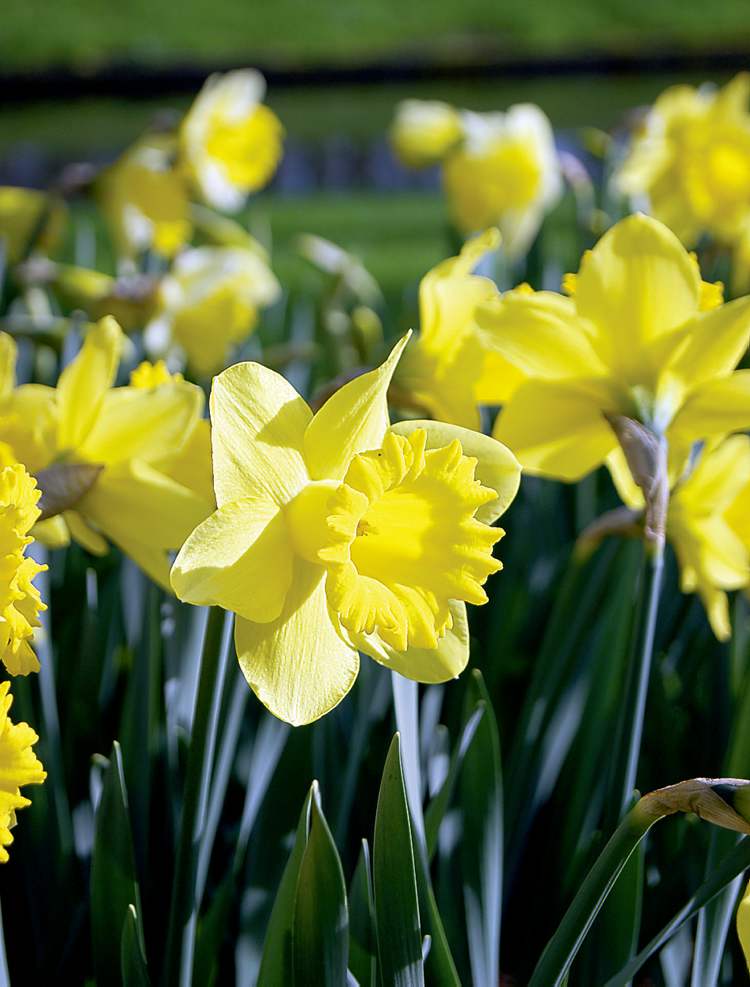
Daffodil is the common name for Narcissus. Daffodils symbolize friendship and every garden should have hundreds. They are low maintenance and nearly pest-free.
Plant groups of five or more about five or six inches apart in prepared soil late in the fall. Daffodils need lots of water while growing. Cut off spent blooms, but leave the foliage until it begins to turn yellow. Next year’s blooms begin to form in the bulb immediately after blooming. Try planting daffodils behind Stella De Oro daylilies. They bloom well before the daylilies which later will hide their dying foliage. Daffodils, too, look especially great in front of purple shrubs.
After the first year, top fertilize every spring with a low nitrogen fertilizer such as 8-24-24. Divide the clumps every five years in early summer. Mark their location with permanent markers and update your chart. Don’t skip this step — all visual evidence of daffodils will disappear before July.
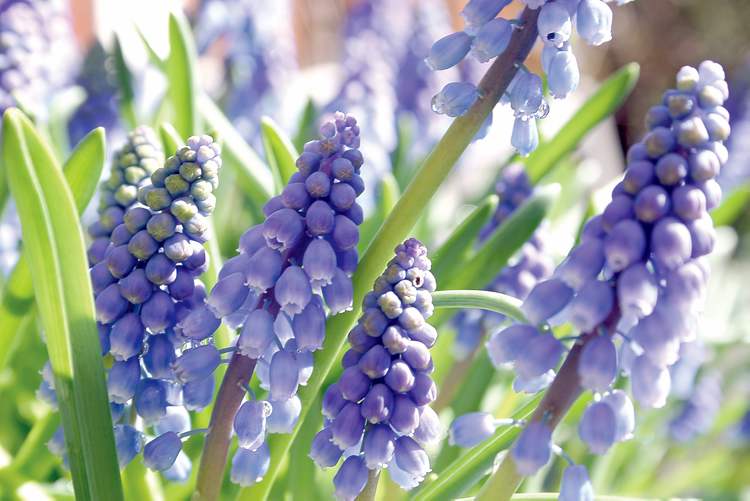
Allium varieties bloom May to July and must be planted in the fall. Although onions, garlic, chives and leeks are the best known edible alliums, the tall ornamental varieties provide dramatic contrast to other shapes in the gardens. Alliums grow eight to 30 inches, with flower colours of white, yellow, blue, silvery pink and mauve. Plant them among other perennials or annuals to help screen their leaves, which tend to become untidy in late summer.
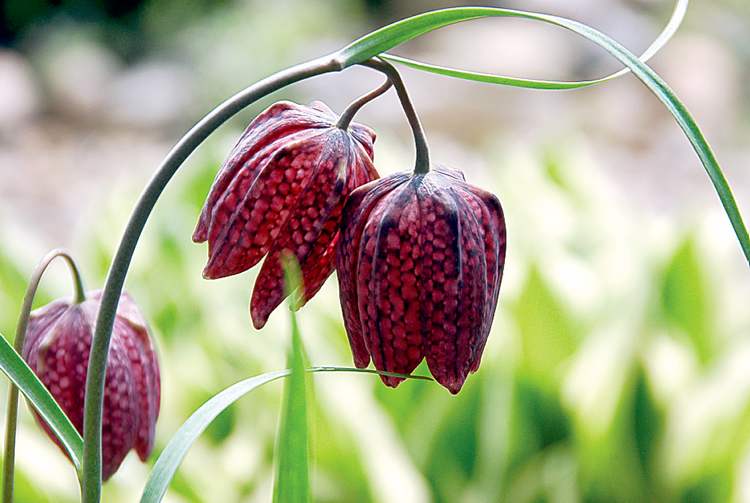
Alliums are long-lived and do not appeal to deer, rabbits, mice or chipmunks. Flowers can be cut early and will last up to three weeks in water. The slightly garlicky smell they emit when cut will disappear once they are put in water.
Lilies must also be planted now, providing you are not plagued by the lily beetle. Asiatic Hybrid lilies are very easy to grow, low maintenance, and hardy to zone 2.
Lily bulbs are never completely dormant so plant them as soon as possible. If that is not possible, place the bulbs in a plastic bag in slightly damp peat moss and store in the crisper of the fridge. Lily bulbs should be planted about six inches deep and a foot apart in well prepared beds. Plant three to five lilies of the same colour together for greatest impact. Water the bulbs in after planting to settle the soil and remove any air pockets.
Mark the location of all your plantings with a stake and weather resistant marker and then note their locations on your chart. Remember, ink from permanent markers is not permanent.