

Gardening in elevated beds is easy and puts you in control
Advertisement
Read this article for free:
or
Already have an account? Log in here »
To continue reading, please subscribe:

Digital Subscription
One year of digital access for only $205*
- Enjoy unlimited reading on winnipegfreepress.com
- Read the E-Edition, our digital replica newspaper
- Access News Break, our award-winning app
- Play interactive puzzles
*First annual payment billed as $205.00 + GST for one year. This annual subscription will automatically renew at $233.00 + GST every 52 weeks (10% off the regular annual price of $259.35). Offer available to new and qualified returning subscribers only. Cancel any time.
To continue reading, please subscribe:
Add Free Press access to your Brandon Sun subscription for only an additional
$1 for the first 4 weeks*
- Enjoy unlimited reading on winnipegfreepress.com
- Read the E-Edition, our digital replica newspaper
- Access News Break, our award-winning app
- Play interactive puzzles
*Your next Brandon Sun subscription payment will increase by $1.00 and you will be charged $17.95 plus GST for four weeks. After four weeks, your payment will increase to $24.95 plus GST every four weeks.
Read unlimited articles for free today:
or
Already have an account? Log in here »
Hey there, time traveller!
This article was published 29/06/2013 (4792 days ago), so information in it may no longer be current.
Growing fruits, vegetables and herbs in raised beds is so easy that I don’t know why all of us are not gardening this way.
There are boundless options for building the beds from a range of materials such as cedar lumber to cinder blocks and hay bales, logs, reclaimed pallet wood, woven willow, stone or bricks. The sky and your imagination (and your budget) are the limit.
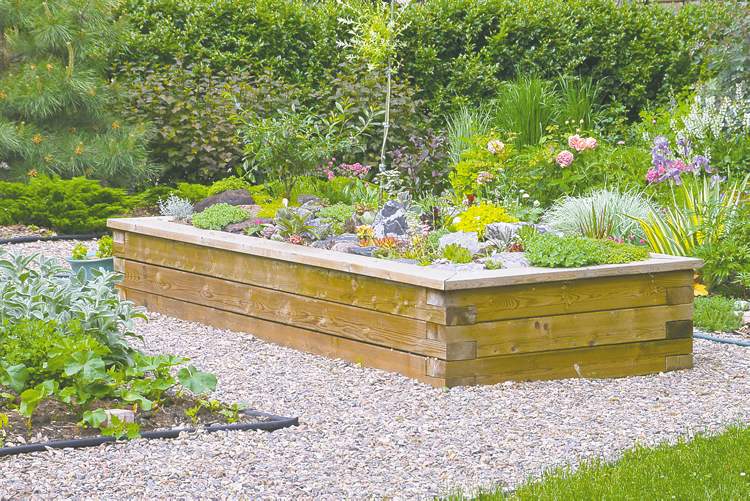
The beds can be any length you like, but should not be more than four feet across. This ensures that the middle of the bed can be accessed from each side without the need to step in and risk compacting the soil. If you’re creating more than one raised bed, you should also consider how close you want to space them since you’ll need room to work and possibly move a wheelbarrow or garden cart around. Spacing the beds three to four feet apart is wise.
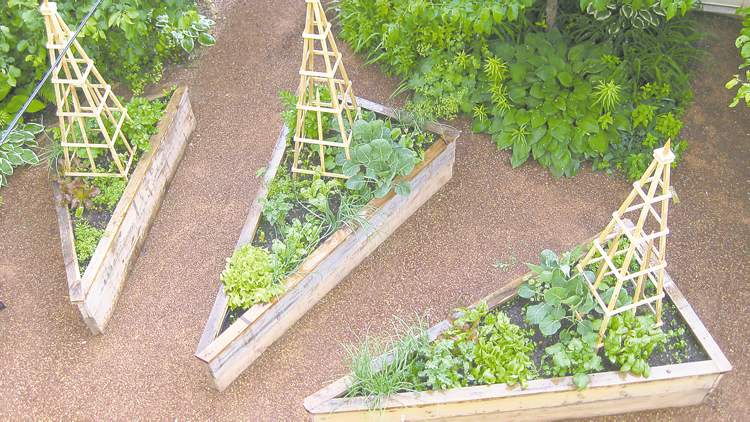
A west- or south-facing area that receives six to eight hours of direct sunlight a day is optimal for growing most vegetables or a mix of vegetables and sun-loving annuals or perennials. The depth of raised beds can vary but, if you want to grow root crops like carrots or parsnips, 10 to 12 inches is the minimum depth needed.
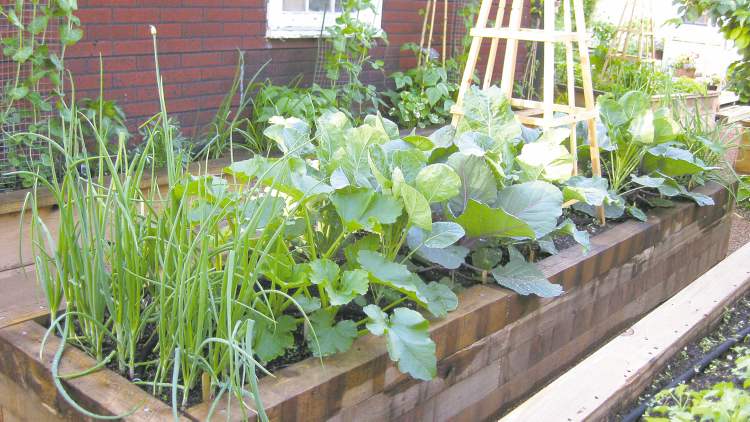
For ease of accessibility, you may choose to raise them a lot higher. The Balmoral Neighbourhood Centre Community Garden in West Broadway, for example, has raised beds that can be gardened by wheelchair-users. Mine are about 20 inches deep and have a wide lip on them for sitting and laying down tools, seed packages or seedlings. This is very useful and convenient.
The soil in raised beds warms up faster in spring and drains more readily than ground-level plots. Raised beds work well for square-foot gardening as well as affording the opportunity for vertical elements like trellises, obelisks, pea sticks, bamboo, lattice or netting if you want to grow vining crops upwards such as cucumbers, pole beans, peas, squash or watermelon. They provide support and prevent these plants from rambling and taking up valuable garden real estate.
One of the greatest advantages to raised-bed gardening is that you are also able to control the type and quality of soil — no more struggling with our Manitoba gumbo. Build your own nutrient-rich, moisture-retentive soil by mixing up a custom recipe of vermiculite, peat or coir, compost, aged manure or worm castings. When it came time to fill my eight raised beds, I ordered 10 yards of five-way mix and added my own compost and aged leaves .
We have a long, wide bed along the fence where we are growing raspberries, gooseberries and a Juliet Sour Cherry bush. In the other beds, we grow a myriad of herbs, tomatoes, potatoes, onions, cucumbers, peppers, eggplants, kale, chard, lettuce, celery, shallots, garlic, zucchini, peas, bush and pole beans, spinach, beets, carrots, parsnips, radishes and turnips.
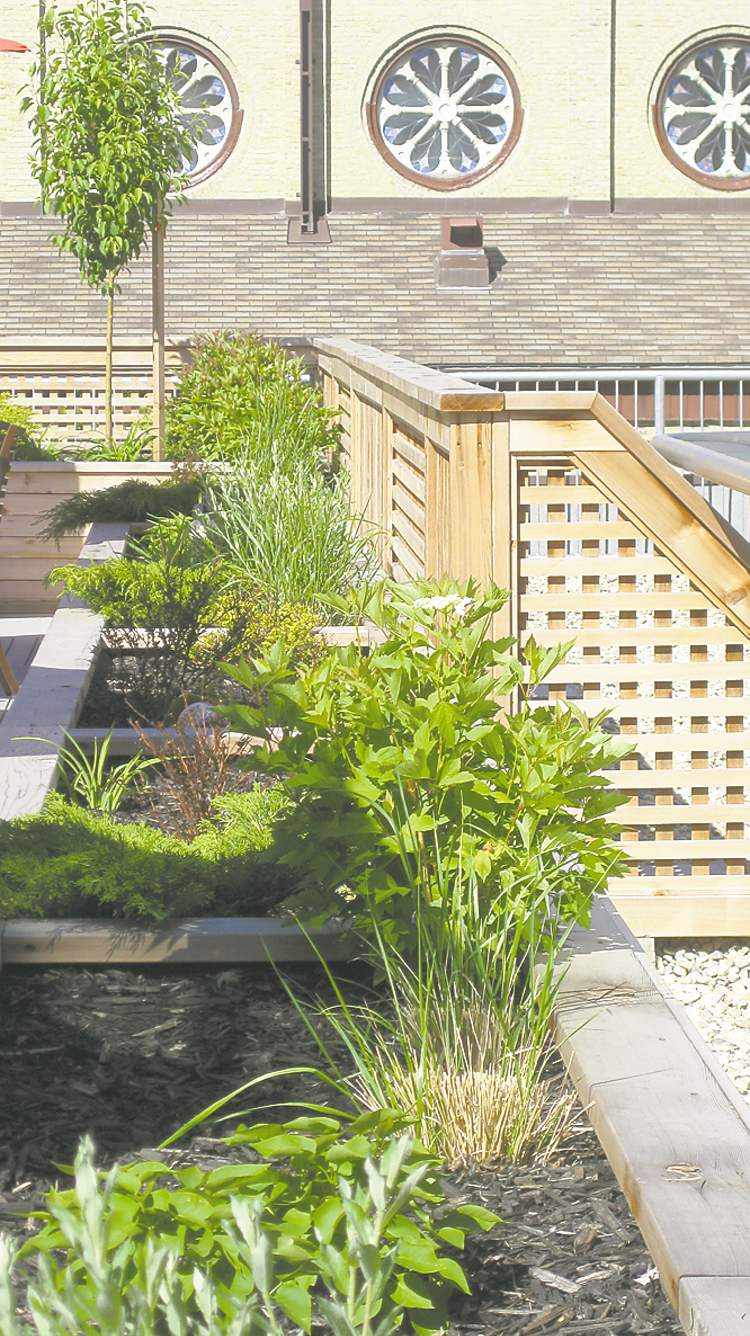
Last year, we also grew cabbages, cauliflowers and Brussels sprouts, but found that they took up too much space for what they produced. This year, we’re trying sweet potatoes and tomatillos. I combine flowering annuals such as nasturtium, marigold and alyssum to attract pollinators. I’ve seen trees, shrubs, perennials, annuals, fruits and vegetables in raised beds so, given enough soil and snow cover, you can try anything you think will be hardy enough.
Since the composition of soil may differ in a raised bed, irrigation is an important consideration. Methods vary as well — drip irrigation, soaker hoses, etc. We utilize four 200-litre rain barrels and one 1,100-litre tote to collect runoff from the house and garage roofs, which provides us with an ample source of stored rain water.
Distribution is challenging as the rain barrels are not raised up high enough to create sufficient water pressure to run drip irrigation or soaker hoses to the raised beds. We do have a small in-line pump that we hook up to the hoses so that we can hand-water with a wand, and we use watering cans for the occasional spot watering.
In a hot, dry summer like last year, we resorted a few times to using house water whenever we drained the rain barrels. This year, I plan to preserve consistent soil moisture by mulching the beds with shredded leaves.
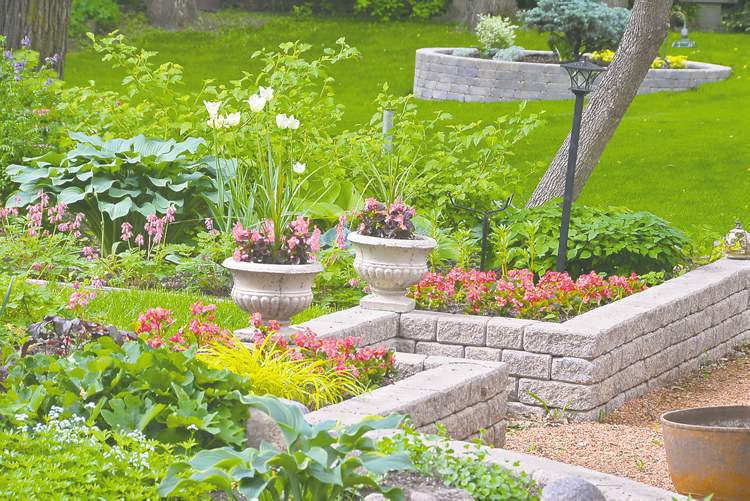
What is all this effort and expense about? Fun, food and money are part of the answer. I love to garden, I get exercise and enjoyment from growing things, and I love to cook, bake and preserve too.
Our multi-generational household consists of four adults (one vegan, one vegetarian and two omnivores) and we typically spend $150 each month on produce. Last summer, we ate from the garden — we canned, pickled, fermented, and jammed, froze and dried our bounty and still gave lots away to friends and family. We were able to reduce our grocery budget and only needed to shop for staples a few times over the season. We’re still eating from the preserved fruits of our labours.
Gardening is great for your physical and mental health and often helps families to widen their dietary spectrum and try new things. Anybody can grow in raised beds — they are well-suited to small spaces and different abilities, and more accessible for children as well.
History
Updated on Sunday, June 30, 2013 10:02 PM CDT: Removes column by Colleen Zacharius; changes headline