

BURNING for you
Stoves, inserts and pellet burners keep you cozy and comfortable
Advertisement
Read this article for free:
or
Already have an account? Log in here »
To continue reading, please subscribe:
Monthly Digital Subscription
$0 for the first 4 weeks*
- Enjoy unlimited reading on winnipegfreepress.com
- Read the E-Edition, our digital replica newspaper
- Access News Break, our award-winning app
- Play interactive puzzles
*No charge for 4 weeks then price increases to the regular rate of $19.95 plus GST every four weeks. Offer available to new and qualified returning subscribers only. Cancel any time.
Monthly Digital Subscription
$4.99/week*
- Enjoy unlimited reading on winnipegfreepress.com
- Read the E-Edition, our digital replica newspaper
- Access News Break, our award-winning app
- Play interactive puzzles
*Billed as $19.95 plus GST every four weeks. Cancel any time.
To continue reading, please subscribe:
Add Free Press access to your Brandon Sun subscription for only an additional
$1 for the first 4 weeks*
*Your next subscription payment will increase by $1.00 and you will be charged $16.99 plus GST for four weeks. After four weeks, your payment will increase to $23.99 plus GST every four weeks.
Read unlimited articles for free today:
or
Already have an account? Log in here »
Hey there, time traveller!
This article was published 11/10/2014 (4105 days ago), so information in it may no longer be current.
What’s a renovation without a wood burning stove, a fireplace insert or a pellet stove to keep you cozy and comfortable throughout the winter?
Wood is a renewable source of fuel that when burned in a modern appliance can heat 2,000-plus square feet of living space, saving fossil fuels and reducing carbon dioxide emissions.
Trees absorb CO2 as they grow, but when they die and decompose or are burned as fuel, this source of greenhouse gas is released into the atmosphere. This cyclical process is known as carbon sequestration–a natural balance created between living trees and those that are decomposing or burned.
Burning wood is therefore considered carbon neutral (no footprint) because the amount of carbon dioxide released during combustion is equal to the amount of CO2 absorbed by trees when they are alive.
Today’s wood burning appliances are 60 to 80 per cent efficient compared to 40 to 60 per cent for conventional stoves and fireplaces.
The main difficulty facing a potential buyer is the vast selection of products available in the marketplace.
Wood stoves equipped with catalytic converters, a device that ignites exhaust gases to reduce particulates released into the atmosphere, were considered state-of-the-art 10 years ago; however, problems arose when converters burned out in as little as two years, swaying opinion in favour of non-catalytic appliances.
(Catalytic stoves also require that a bypass damper be manually opened until the fire is burning hot enough to engage the converter, when the damper is closed.)
In non-catalytic stoves, high-efficiency combustion is achieved by thick firebox insulation, a baffle to divert gas flow, as well as pre-heated air introduced through holes in the upper area of the firebox.
Both catalytic and non-catalytic appliances are available in cast iron or plate steel, the latter being less expensive because the products are cheaper to manufacture.
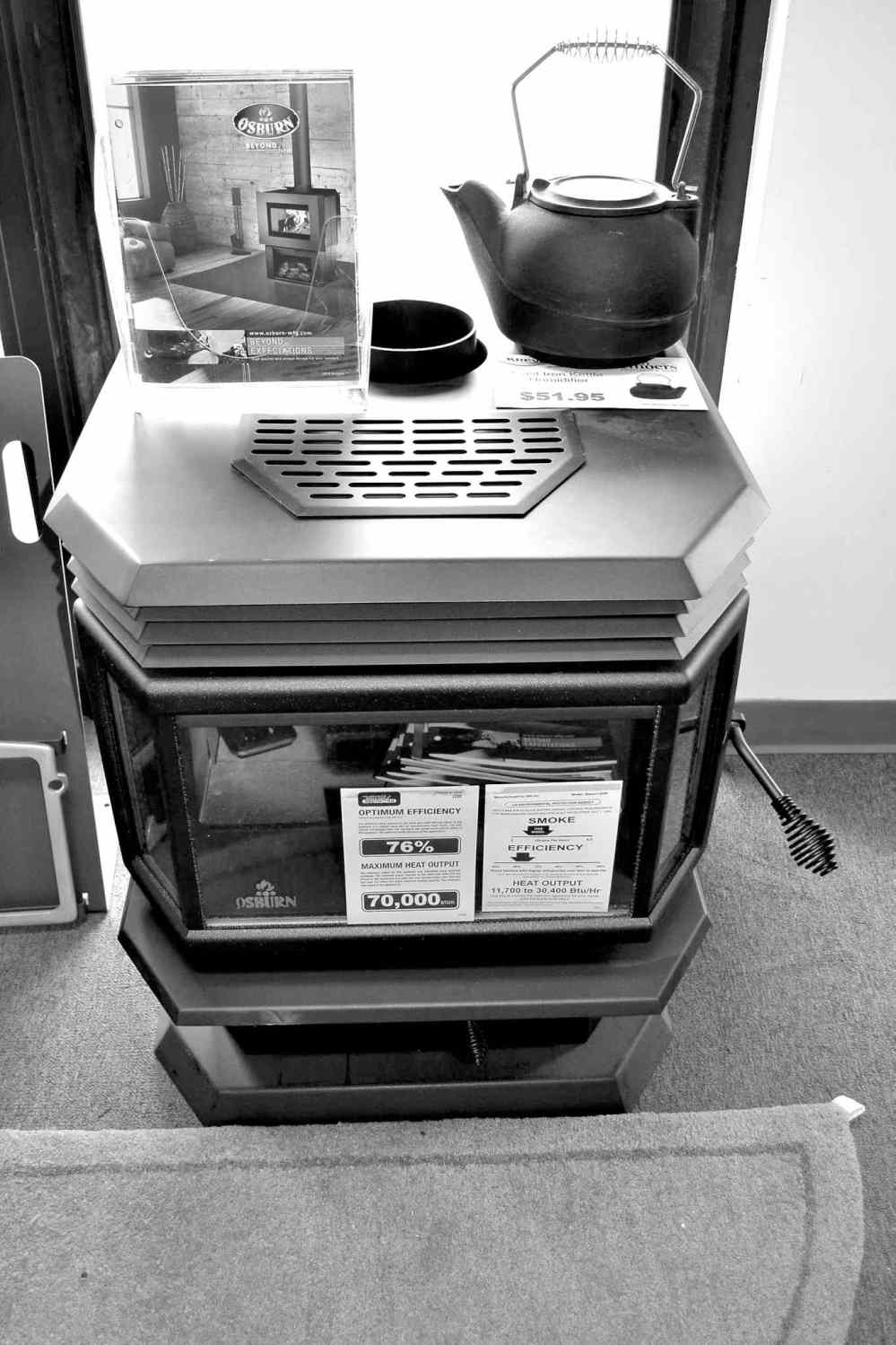
Osburn is a Canadian company that manufactures steel plate wood stoves, inserts and pellet burners.
Their free-standing stoves sell from about $900 to $2,500 depending on the heating capacity — usually rated in square feet and/or BTUs — the kind of finish around the fire-box door, the type of legs and whether a blower or fresh air intake system is purchased.
“Some models include a 100 to 130 CFM blower in the price,” said Mike Braybrook of Embers on Lagimodiere.
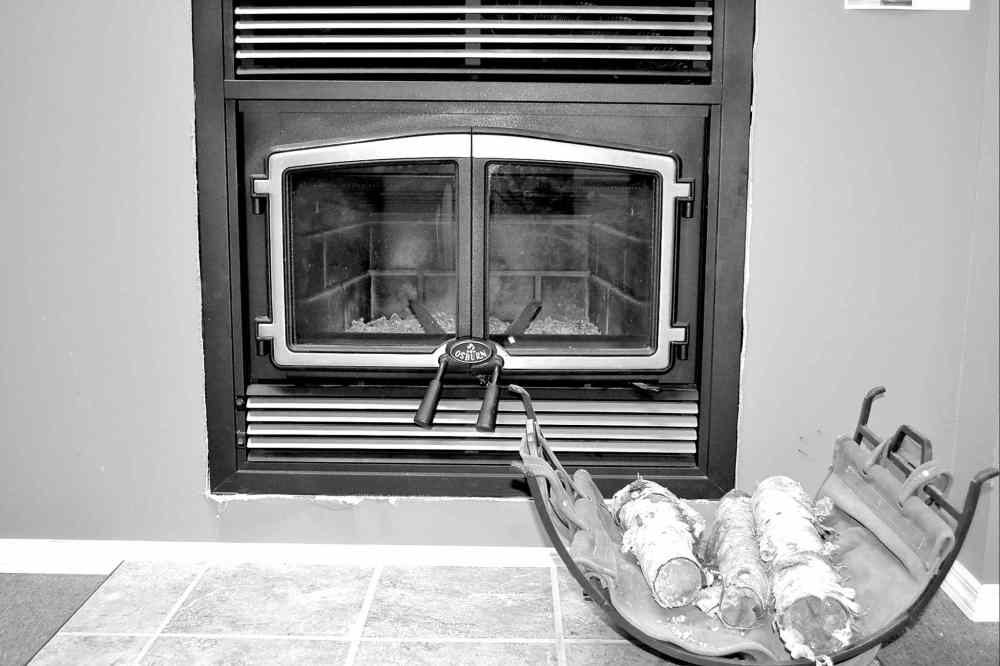
Braybrook said Osburn also manufactures a line of fireplace inserts priced from about $1,500 to $2,500.
The inserts are designed to fit into almost any size of fireplace and include a 120 to 130 CFM heated activated blower with a variable speed control, said Braybrook.
The door frames are available in black, gold or nickel plated metal with ceramic glass that allows a great view of the fire; some of the inserts include bay doors so that the burning wood can be seen from three sides, said Braybrook, adding that efficiency ratings are between 75 and 85 for inserts and stoves, as long as they are properly maintained.
Embers also sells a cast-iron Cape Cod stove for about $4,000 that includes electric ignition.
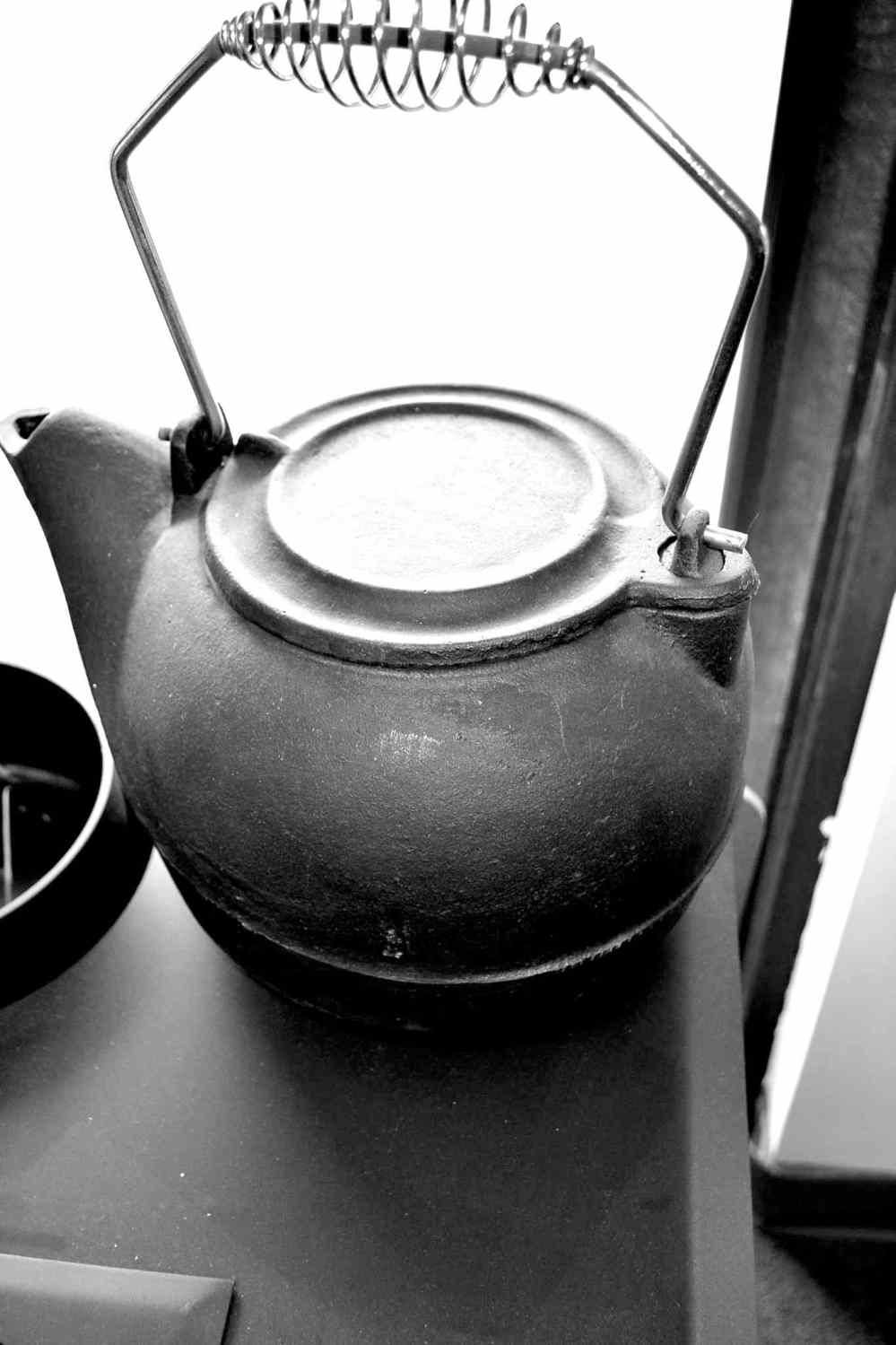
“It’s a wonderful feature for people who relight their stoves every morning,” said Braybrook.
Another convenient way to start a fire is to use Fire Starters, small squares of wax and sawdust that ignite easily and burn until the wood is burning.
Napoleon is another Canadian company that builds high-efficiency wood stoves and inserts.
These appliances do not have catalytic converters; instead, like Osburn products, they burn wood efficiently by diverting gas flow and pre-heated air with a baffle to create hot combustion temperatures in the firebox.
The main downside to burning wood in this manner is that the baffle (made of firebrick with a ceramic fibre wrap) may have to be replaced every six years if the appliance is not well maintained.
This means appliances should never be overloaded with a large charge of wood, the wood should be placed carefully into the firebox so as not to damage the baffle or firebrick, ashes should not be allowed to build up and the chimney should be cleaned to remove any build up of creosote.
Napoleon free standing woodstoves are sold in steel and cast iron models with legs or pedestals.
The cast iron units appeal to those who favour traditional stoves with an early American or European appearance.
For people who appreciate a more contemporary look, the Napoleon 1400P is a pedestal stove available in a lovely beige enamel finish or shiny black.
The black model retails for about $2,200 plus $300 for the door; the beige is slightly more expensive but worth the extra cash if you are looking for a beautiful wood stove.
A spokesperson for Napoleon said “the 1400P is the company’s most popular model and is capable of heating 2,000 square feet, comes with a limited lifetime warranty and a range of doors, louvres and trivets.”
Napoleon’s stoves and inserts are equal to those made by Osburn and other top-of-the-line manufacturers, according to EPA technical specifications.
Though well built high-efficiency appliances may seem pricey, don’t make the mistake of purchasing just any wood burning product from a big box store, as they are made of thin, low grade steel and are non-airtight, emitting a lot of harmful smoke and producing very little heat.
Another source of wood heat to consider is pellet stoves.
Like all wood appliances, they have their pros and cons.
On the pro side, they can be linked to a wall thermostat to maintain a constant temperature inside a house during the day; a hopper with an electric auger feeds the pellets into the firebox as required. At the end of the day, the hopper can be refilled to keep a home warm during the night as well.
The downside is that because they need 110-volt circuit to operate, they are not much use during a power outage.
Also, high-grade hardwood pellets, which produce the most heat and burn cleanly, are not easy to source and can be expensive to buy.
The price of softwood pellets varies from $5.49 per 44-pound bag at Anola Building Centre to $6.29 per 40-pound bag at Home Hardware in Beausejour to $6.75 per 44-pound bag at Home Hardware in Selkirk.
The price drops to $5.20 per bag if a pallet load (55 bags) is purchased from Home Hardware in Beausejour.
Finally, don’t purchase a cheap pellet stove from a big box store for the reasons mentioned above about other wood burning appliances.
APR Industries builds and sells good quality pellet burners right here in Winnipeg, and the models can be viewed in their show room at 1354 Waverley.
davidsquare81@yahoo.com