

Mother Nature’s paintbrush
Botanical inspiration bursting into homes, fashion and art

Advertisement
Read this article for free:
or
Already have an account? Log in here »
To continue reading, please subscribe:

Digital Subscription
One year of digital access for only $205*
- Enjoy unlimited reading on winnipegfreepress.com
- Read the E-Edition, our digital replica newspaper
- Access News Break, our award-winning app
- Play interactive puzzles
*First annual payment billed as $205.00 + GST for one year. This annual subscription will automatically renew at $233.00 + GST every 52 weeks (10% off the regular annual price of $259.35). Offer available to new and qualified returning subscribers only. Cancel any time.
To continue reading, please subscribe:
Add Free Press access to your Brandon Sun subscription for only an additional
$1 for the first 4 weeks*
- Enjoy unlimited reading on winnipegfreepress.com
- Read the E-Edition, our digital replica newspaper
- Access News Break, our award-winning app
- Play interactive puzzles
*Your next Brandon Sun subscription payment will increase by $1.00 and you will be charged $17.95 plus GST for four weeks. After four weeks, your payment will increase to $24.95 plus GST every four weeks.
Read unlimited articles for free today:
or
Already have an account? Log in here »
Hey there, time traveller!
This article was published 01/04/2017 (3430 days ago), so information in it may no longer be current.
If you find yourself rearranging the furniture and staring at four walls as you wait for spring to green up your outside world, why not cultivate your inner botanical style and colour your home’s interior with botanical prints, fabrics and wallpaper?
Today, with a resurgence of interest in everything botanical, a new generation of artists and designers are putting their own unique stamp on everything from wall art, wallpaper and furnishings to dinnerware and throw cushions, transforming home interiors and creating an indoor garden that’s in bloom year-round.
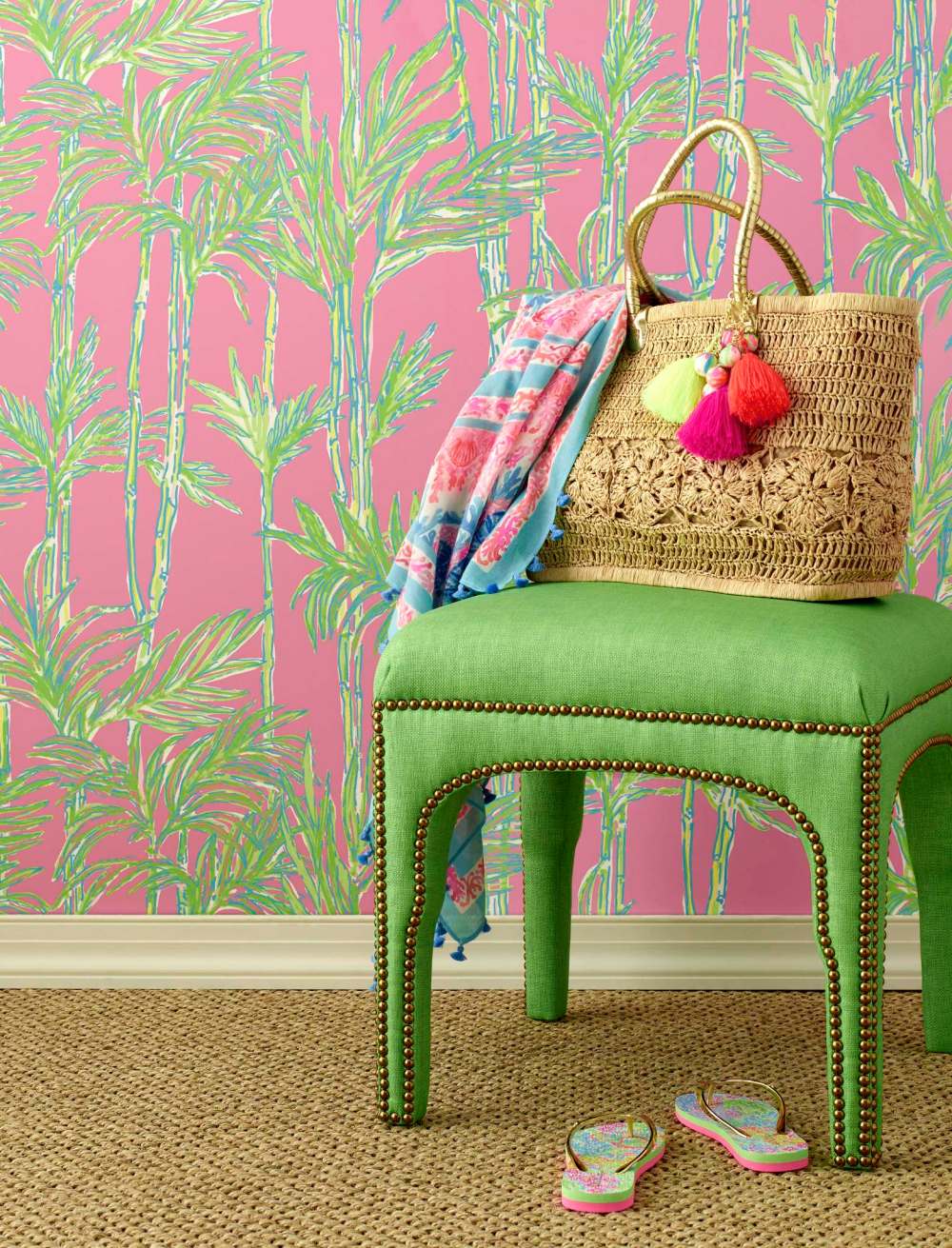
Lynn Savage McMillan, owner of Noble Savage Interiors (1079 Wellington Ave.), loves the Lilly Pulitzer collection of fabric and wallpaper from Lee Jofa. With patterns ranging from big, bold botanical motifs in sunny, vibrant colours to leafy, nature-inspired designs against pink, yellow, or white backgrounds, this fresh, cheeky colour palette is a modern take on a more traditional botanical style, says McMillan.
Colour, tone and scale have a unifying effect, allowing unique patterns to be used in various rooms. McMillan loves the juxtaposition of contrasting motifs. What’s important, she says, is to ensure repetition of at least one of the colours in the fabric or wallpaper in each room.
Colour can be energizing, playful or calming. It can be incorporated into an all-white bedroom, says McMillan, with botanical-themed fabric headboards, throw cushions, lampshades and a throw. Creating a gallery wall with ready-to-frame vintage illustrations also spruces things up in a hurry.
Realistic hand-drawn and -coloured botanical sketches at one time formed the basis for the scientific study of previously unknown plants. Explorers were frequently accompanied on their journeys to new lands by skilled illustrators who created drawings of flora and fauna.
Decorating with botanical illustrations and floral-patterned textiles became all the rage in the 18th and 19th centuries. It was not uncommon for parlours or living rooms to feature gallery walls with uniformly geometric rows of botanical prints and watercolours, each with identical frames and mats.
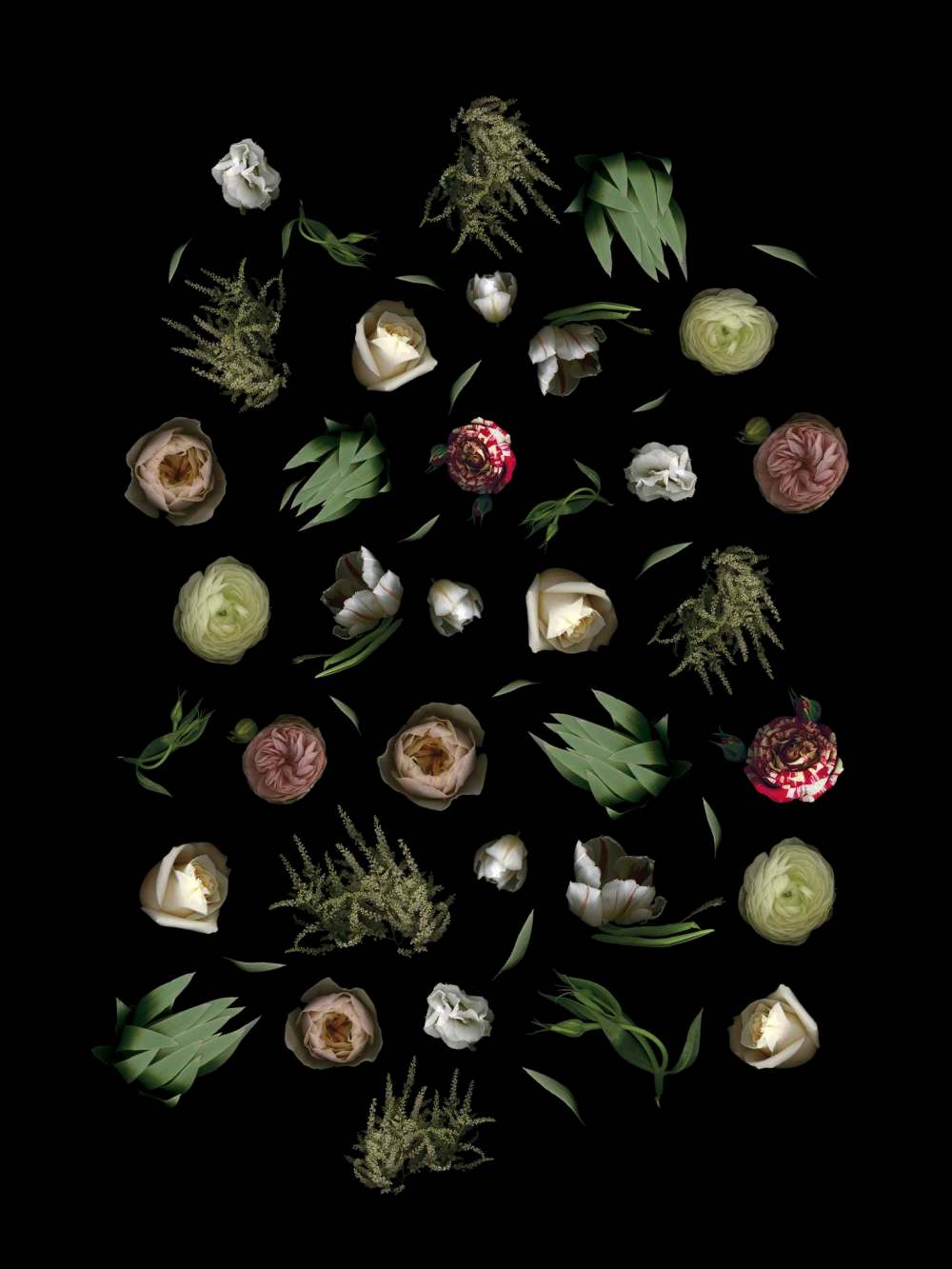
The Department of Floristry’s Candace Fempel has her own unique interpretation. Her dark floral prints show blooms or leafy textures against an infinite black background for a classic, dramatic statement, but with a decidedly bold and crisp twist.
A graduate of the Master of Architecture program at the University of Manitoba, Fempel’s disciplined approach to her art begins with documenting her process and cataloguing the plants she uses in her floral design. Placing an individual plant within the framework of a scanner, she manipulates it until she achieves the desired composition. To grow her understanding, she researches the botanical names of plants that she gathers and also dissects blooms, stems and foliage to examine their internal and external structures more closely.
Maintaining a catalogue of plants is invaluable as an identifying reference, says Fempel, especially when she is deciding on the various compositions and design for each print. Fempel loves playing with textures. In one print, Fempel captures the luxurious parrot tulip with its satin-smooth, fringed and ruffled petals and in another the soft, feathery plumes of creamy astilbe flowers pop out against a black background. In yet another interpretation, the more rigid, architectural structure of greyish-green poppy pods glimmering with coppery-coloured crowns is brought to life.
Fempel believes that art should be accessible so she creates her prints in standard sizes, indeed the same dimensions as IKEA wall frames, which come with acid-free mats. It’s not about the frame. It’s about the art and the relationship between the artist, the plants and the printmaker, says Fempel.
To see Fempel’s work, visit her website at deptof.ca or drop into Parlour Coffee in Winnipeg’s Exchange District between now and May 11th, where Fempel will be exhibiting a large botanical archival inkjet print that depicts a delicate white lisianthus (Eustoma grandiflorum).
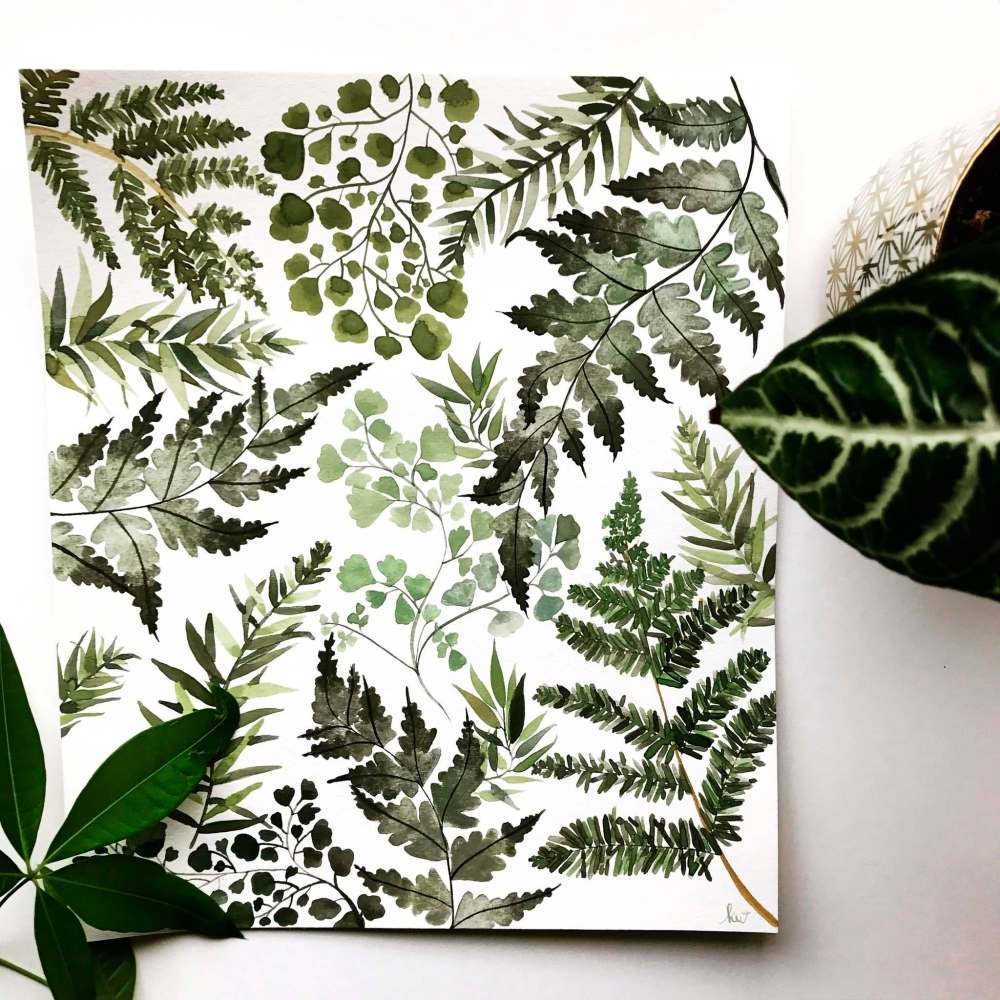
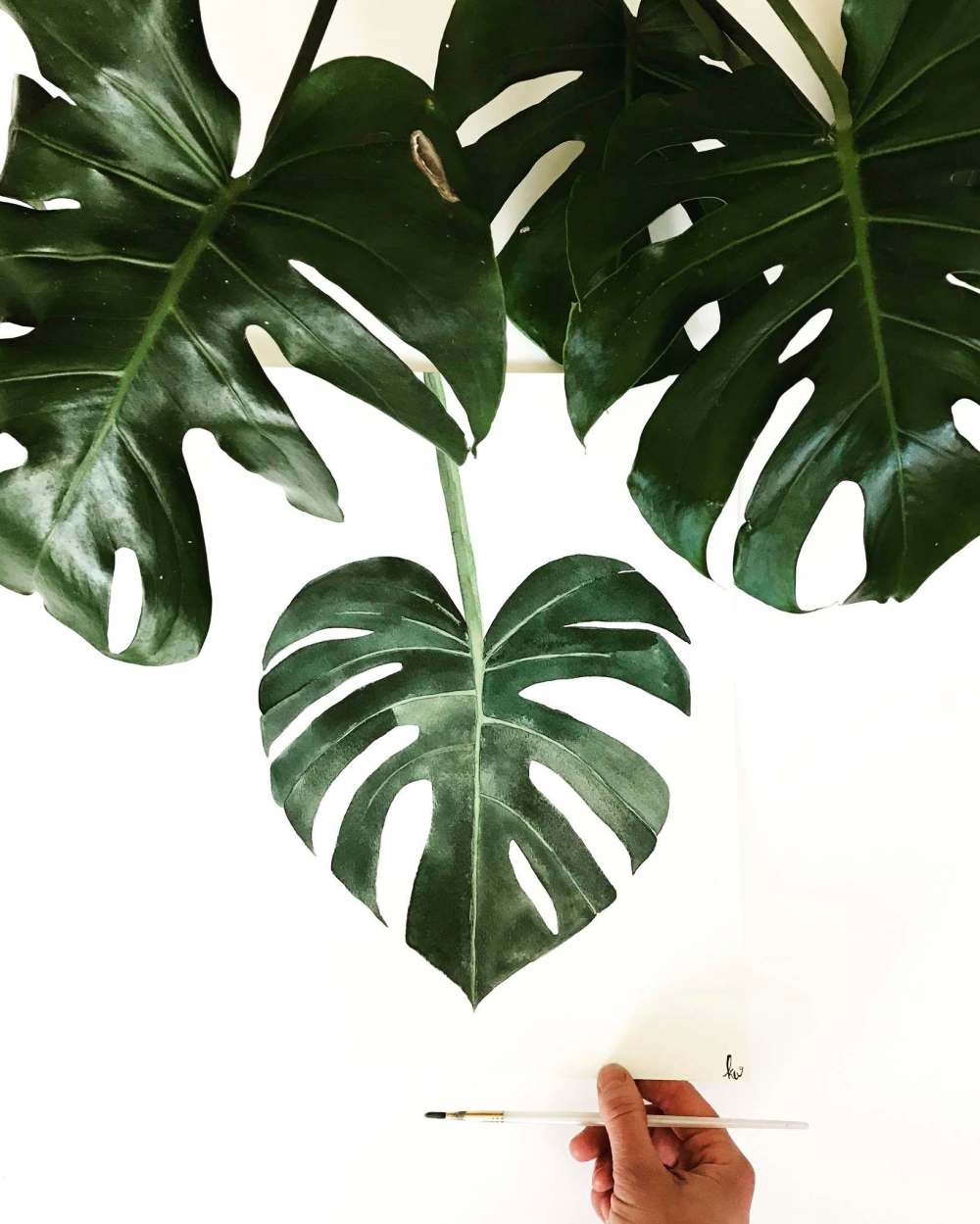
Kristen Aleida Wiltshire is a local artist who works with watercolours. Her handpainted designs include flower bouquets and greenery sold under the trade name Kristen Aleida Art. She is drawn to fine textures such as the lacy maidenhair fern (Adiantum) and the fan-shaped foliage of Ginkgo biloba, one of the oldest living tree species. The coarse textures of tropical foliage plants such as palms and in particular, Monstera deliciosa, figure largely in her work. More commonly known as the Swiss cheese plant, Monstera’s iconic, deeply incised, emerald green foliage with its characteristic holes is often the subject of botanical illustrations.
Self-taught, Wiltshire creates her designs on cold-press watercolour paper. The slightly uneven texture of the paper holds in the water and pigment, further emphasizing the texture of the flowers and foliage she paints. She also paints with watercolours on canvas, priming the surface first to increase its absorbency. Some of her art pieces include brush calligraphy. The words she chooses are very intentional, she says, so that they bring encouragement and empowerment.
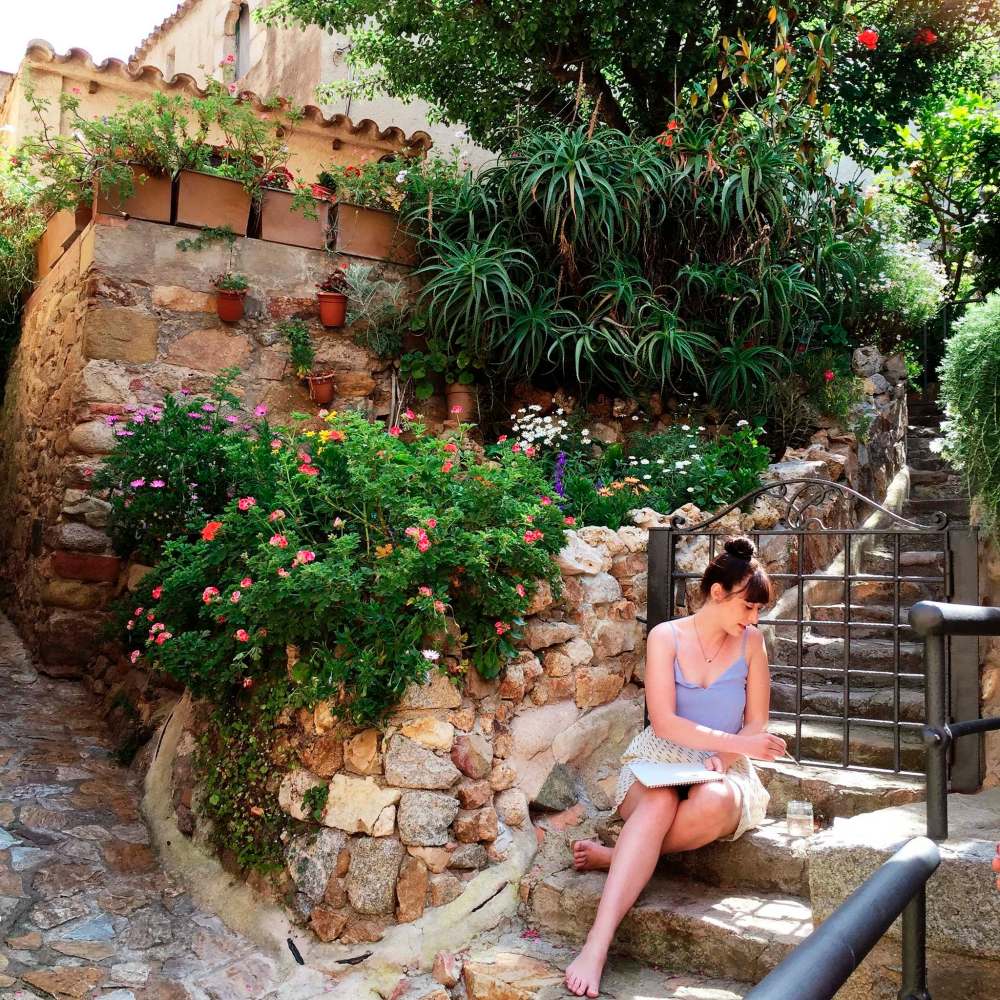
Wiltshire frequently visits local garden centres and greenhouses as well as Assiniboine Park and the Conservatory for up-close-and-personal encounters with foliage and flowers. She takes every opportunity to study the details of plants and always travels with her sketchbook and watercolours near at hand. A recent trip to Spain provided plenty of inspiration.
Wiltshire receives many requests to paint wedding bouquets and says that, in addition to creating a permanent memory for a newly married couple, it’s also an opportunity for her to learn about new flowers.
Wiltshire sells her prints and originals at Tara Davis Studio Boutique and on Etsy, and will be an exhibitor at the upcoming Third + Bird spring market, May 5 and 6 at the Bay.
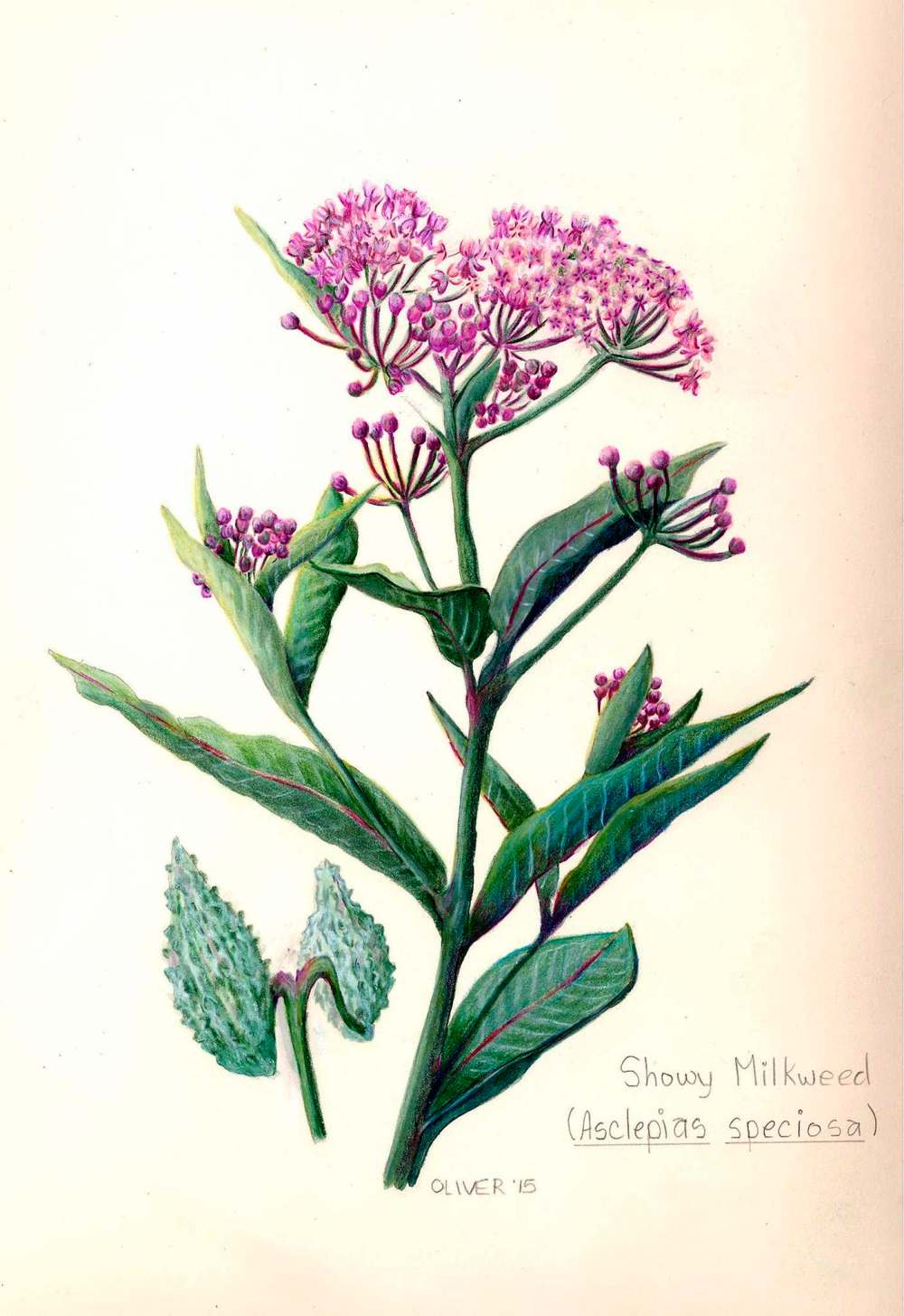
Gerry Oliver is a teacher and painter whose botanical art classes are offered through the Wasagaming Community Arts Centre at Riding Mountain National Park and the Art Gallery of Southwestern Manitoba (AGSM) in Brandon. There are several levels of botanical art, says Oliver. Students learn about drawing and how to use watercolours and coloured pencils. They visit a greenhouse, study plants with a magnifying class and over a few weeks learn to create very detailed botanical illustrations. After that, things loosen up a bit, says Oliver, and students get a taste of the different ways to interpret plants through the more abstract techniques of formal and expressionist floral art.
A former garden writer for the Free Press, Oliver, who lives only a few kilometres from Spruce Woods Provincial Park, loves to create exact renderings of native plants such as Canada Goldenrod (Solidago Canadensis) and Asclepias speciosa (showy milkweed). With a love for detail, she admits it’s a slow process. Drawing flowers, says Oliver, not only connects us to nature but also takes us back to a familiar place with all its vivid colours.
If last year’s sold-out botanical art workshops are any indication of the growing interest in learning how to illustrate plants, plan to register early for this year’s courses.
Fashion, too, will be inspired this year by floral prints. Love geraniums, daisies, freesias and bouquets of chrysanthemums? You’ll find florals splashed on everything from dresses to flip-flops but leave some money in your budget for all the real flowers that will soon decorate your outside world.
colleenizacharias@gmail.com
Colleen Zacharias
Gardening columnist
Colleen Zacharias writes about many aspects of gardening including trends, plant recommendations, and how-to information that is uniquely relevant to Prairie gardeners. She has written a column for the Free Press since 2010 and pens the monthly newsletter Winnipeg Gardener. Read more about Colleen.
Every piece of reporting Colleen produces is reviewed by an editing team before it is posted online or published in print — part of the Free Press‘s tradition, since 1872, of producing reliable independent journalism. Read more about Free Press’s history and mandate, and learn how our newsroom operates.
Our newsroom depends on a growing audience of readers to power our journalism. If you are not a paid reader, please consider becoming a subscriber.
Our newsroom depends on its audience of readers to power our journalism. Thank you for your support.
Colleen Zacharias
Gardening columnist
Colleen Zacharias writes about many aspects of gardening including trends, plant recommendations, and how-to information that is uniquely relevant to Prairie gardeners. She has written a column for the Free Press since 2010 and pens the monthly newsletter Winnipeg Gardener. Read more about Colleen.
Every piece of reporting Colleen produces is reviewed by an editing team before it is posted online or published in print — part of the Free Press‘s tradition, since 1872, of producing reliable independent journalism. Read more about Free Press’s history and mandate, and learn how our newsroom operates.
Our newsroom depends on a growing audience of readers to power our journalism. If you are not a paid reader, please consider becoming a subscriber.
Our newsroom depends on its audience of readers to power our journalism. Thank you for your support.
Advertisement Advertise With Us
Advertisement Advertise With Us